
Compare models
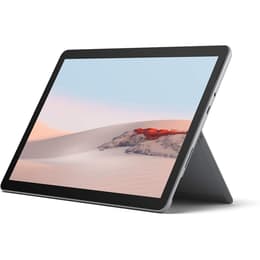
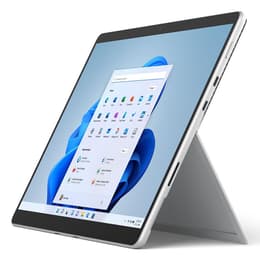
Microsoft Surface Go 2 10" vs Microsoft Surface Pro 8 13"
- 1-year warranty
- Free standard shipping
- Free 30-day returns
Differences at a glance
The Microsoft Surface Go 2 (2020) and the Microsoft Surface Pro 8 (2021) are versatile two-in-one computing devices designed to function as both portable tablets and functional laptops. While both run on the Windows operating system, they cater to very different expectations regarding scale, power consumption, and everyday usability.
The primary differentiators between these two models center on their physical dimensions, processor capabilities, and target use cases. Choosing between them depends heavily on whether portability and lightweight handling take priority, or if high system performance and expanded screen estate are more important for daily routines.
Available Models
Storage
Processor
Memory
Scores
Durability
Both devices offer distinct hardware longevity profiles shaped by their release years and internal component classes, impacting how long they will remain practical for everyday workflows.
- Release timeline and support: The Surface Pro 8 benefits from a more recent release date, allowing it to receive official software and security updates for a longer window compared to the older Surface Go 2.
- Repairability and durability: Both models feature sealed chassis designs that limit component-level user upgrades, meaning battery health and storage capacity chosen at purchase remain fixed for the device's operational life.
- Expected lifespan: Users handling basic document work will find the Surface Go 2 remains viable for light tasks, whereas the Surface Pro 8 retains performance headroom for demanding applications over a longer duration.
Release year
2018
2021
Last Os Compatibility
Yes
Yes
Operating system
Windows 11
Windows 11
Performance
System responsiveness varies significantly due to the processing hardware housed inside each chassis, influencing how smoothly demanding applications and multitasking sessions run.
- Multitasking capacity: The Surface Pro 8 handles heavy multi-app workflows, large spreadsheets, and complex software smoothly, while the Surface Go 2 is optimized for lighter single-task operations like web browsing and text editing.
- Storage and memory configurations: The larger Surface Pro 8 provides higher memory allocations and quicker solid-state drive options, whereas the Surface Go 2 typically relies on more modest memory configurations suited for straightforward tasks.
- Battery behavior: The compact battery in the Surface Go 2 accommodates light travel sessions, while the larger power capacity in the Surface Pro 8 supports extended work periods away from an outlet despite driving a larger display.
Graphic card
Integrated Graphics
Integrated Graphics
Screen quality
The visual experience differs greatly between the two models, defined by variations in physical scale, panel technology, and motion clarity.
- Display scale and workspace: The Surface Pro 8 features a spacious 13-inch screen offering ample room for side-by-side windows, compared to the more compact 10-inch display on the Surface Go 2 which favors single-window viewing.
- Refresh rate and fluidity: The Surface Pro 8 includes a high refresh rate mode that makes scrolling and digital pen input look noticeably fluid, whereas the Surface Go 2 uses a standard refresh rate suitable for typical viewing.
- Clarity and brightness: Both models utilize sharp pixel densities and vibrant touch-responsive panels, though the Surface Pro 8 reaches higher peak brightness levels for comfortable outdoor visibility.
Resolution
1920 x 1280
2256 x 1504
Screen type
LCD
LED
Audiovisual
Multimedia capabilities, audio output, and imaging hardware differ between the two form factors, affecting everyday video communication and media consumption.
- Camera systems: Both devices include front and rear cameras adequate for video meetings and quick snapshots, with the Surface Pro 8 offering updated sensor resolutions for clearer image capture.
- Audio and speaker output: The larger chassis of the Surface Pro 8 allows for more robust built-in stereo speakers, delivering fuller sound for media playback compared to the modest speakers on the Surface Go 2.
- Microphone clarity: Integrated studio microphones on both models capture voice input clearly during virtual conferences, reducing background room noise during calls.
Miscellaneous
Physical design elements, port selections, and connectivity standards dictate how easily each device integrates into various accessories and workspaces.
- Port selection: The Surface Pro 8 modernizes connectivity with dual Thunderbolt-enabled ports, whereas the Surface Go 2 retains a more traditional mix including a specialized charging port and a headphone jack.
- Physical dimensions and weight: The Surface Go 2 is lighter and smaller, making it effortless to slip into small bags, while the Surface Pro 8 requires slightly more carrying space due to its larger screen size.
- Security features: Both models support facial recognition login capabilities for quick and secure access without typing passwords.
Weight
544 oz
2500 oz
Screen size
10
13
What the community thinks
Community discussions and user feedback highlight distinct preferences for each device depending on daily routines. Owners of the Surface Go 2 frequently praise its lightweight nature and compact footprint, noting it as an easy companion for reading and casual travel. However, some users mention that heavy multitasking can slow down the system. On the other hand, Surface Pro 8 users appreciate the responsive display fluidity and robust processing power, though some note that the heavier chassis reduces the effortless handheld experience found on smaller tablets.
Users prioritizing maximum portability, minimal weight, and simple tasks like reading or traveling light will find the Surface Go 2 well-suited to their needs. Conversely, users prioritizing expansive screen workspace, multitasking capability, and faster processing speeds will lean toward the Surface Pro 8. Choosing a quality-assured refurbished option provides an eco-friendly alternative that grants access to these versatile devices while supporting sustainable consumer habits.