

Compare models

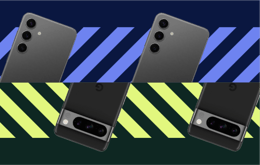
Galaxy Z Flip7 vs Google Pixel 9a

  • 1-year warranty
  • Free standard shipping
  • Free 30-day returns
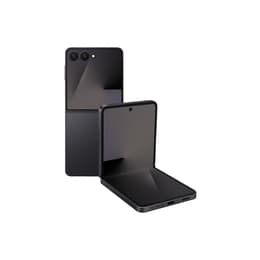
Galaxy Z Flip7
Starting at

Refurbished price:A$840.00

Versus A$1,799.00 new

See options
Google Pixel 9a
Starting at

Refurbished price:A$570.00

Versus A$731.50 new

See options

Differences at a glance

The Samsung Galaxy Z Flip7 (2025) and the Google Pixel 9a (2025) represent two distinct approaches to modern smartphone design, contrasting a clamshell foldable form factor with a traditional candybar build. While both devices cater to contemporary mobile users, they differ fundamentally in mechanical design, physical dimensions, and software ecosystems. The Galaxy Z Flip7 operates on Android with Samsung's custom interface, whereas the Google Pixel 9a runs a clean version of Android provided directly by Google. These core differences shape how each device fits into daily routines, making them suited to very different user preferences.

Available Models

Colour

Storage (GB)

Scores

Durability

When evaluating structural longevity and software support, both devices offer robust frameworks for long-term use, though their physical construction introduces distinct mechanical considerations.

  • Software Support: The Google Pixel 9a features an extended software update commitment spanning seven years, while the Galaxy Z Flip7 provides a standard flagship update window.
  • Physical Durability: The Pixel 9a relies on a traditional rigid body with solid water and dust resistance, whereas the Galaxy Z Flip7 incorporates a folding mechanism and flexible display panel that requires careful handling over years of repeated bending.
  • Expected Lifespan: Traditional candybar structures like the Pixel 9a typically experience fewer mechanical points of wear over time compared to foldable alternatives.

Release year

2025

2025

Operating system

Android

Android

Foldable

Yes

No

Performance

Underneath their outer shells, both smartphones handle everyday apps, web browsing, and multitasking efficiently, though they utilize different hardware configurations to manage system resources.

  • Multitasking Capability: The Galaxy Z Flip7 includes generous memory provisions that maintain fluid app switching, while the Pixel 9a balances background processes effectively with its optimized system architecture.
  • Battery Behavior: The Pixel 9a integrates a higher-capacity battery that easily stretches through a full day of mixed use, whereas the Z Flip7's compact folding footprint houses a smaller cell that may require a top-up during heavy usage days.
  • System Responsiveness: Both models load daily applications instantly and execute smooth navigation through menus without noticeable stutter.

Screen quality

Display technology defines the primary visual interaction for both models, showcasing a stark contrast between a flexible folding screen and a rigid flat panel.

  • Display Technology: The Galaxy Z Flip7 utilizes a folding OLED main screen alongside a functional outer cover display for quick notifications, while the Pixel 9a features a flat, vibrant OLED screen with high peak brightness.
  • Outdoor Visibility: Both devices reach high brightness thresholds that maintain clear readability under direct sunlight conditions.
  • Refresh Rate: Each model supports a smooth 120Hz refresh rate, ensuring fluid scrolling through web pages and responsive touch interactions.

Resolution

1080x2520

1080x2424

Audiovisual

Imaging hardware and media playback capabilities cater to different creative styles and casual entertainment preferences.

  • Camera Systems: The Pixel 9a relies on advanced computational photography algorithms to deliver consistent everyday and low-light snapshots, whereas the Z Flip7 utilizes its foldable design to enable flexible angles and hands-free photo framing.
  • Video and Audio: Both smartphones record stable, high-definition video clips with clear audio capture, paired with stereo speakers that provide balanced sound for streaming media.
  • Media Consumption: The Pixel 9a offers a traditional widescreen viewing layout, while the Z Flip7 provides a taller aspect ratio when fully unfolded.

Miscellaneous

Practical daily utility is shaped by physical dimensions, connectivity standards, and biometric security features built into each chassis.

  • Form Factor and Handling: The Galaxy Z Flip7 folds into a compact square that slips easily into small pockets, whereas the Pixel 9a maintains a lightweight, traditional profile that rests comfortably in one hand.
  • Security Sensors: Both devices incorporate reliable biometric authentication methods, using face recognition and fingerprint sensors for quick unlocking.
  • Connectivity: Modern 5G connectivity, Wi-Fi standards, and USB-C ports are standard across both models for fast data transfer and network access.

Weight

188 oz

186 oz

Screen size (in)

6.9

6.3

Network

5G

5G

SIM card

Physical SIM + eSIM

Physical SIM + eSIM

Carrier compatibility

Unlocked

Unlocked

What the community thinks

User feedback highlights distinct preferences for each device across community discussions. Owners of the Galaxy Z Flip7 frequently praise its compact pocketability, innovative folding design, and useful cover screen for glancing at notifications on the go. Conversely, Pixel 9a users often commend its reliable all-day battery endurance, dependable photography output, and straightforward software experience. Common criticisms for the foldable model center around battery longevity under heavy use and the inherent visibility of the screen crease, while the Pixel model receives occasional remarks regarding its traditional, non-folding format.

Users prioritizing pocket-friendly innovation and a versatile folding form factor may prefer the Galaxy Z Flip7, while users prioritizing straightforward battery longevity, simpler maintenance, and traditional ergonomics will lean toward the Google Pixel 9a. For those exploring a quality-assured refurbished option as a sustainable choice, Back Market offers thoroughly tested versions of both smartphones to support informed, eco-friendly purchasing decisions.