
Compare models
Galaxy Z Flip7 vs iPhone 14 Pro
- 1-year warranty
- Free standard shipping
- Free 30-day returns
Differences at a glance
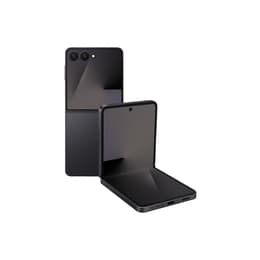
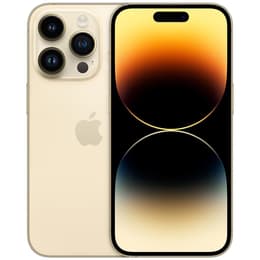
The Samsung Galaxy Z Flip7 (2025) and Apple iPhone 14 Pro (2022) represent two distinct philosophies in high-end mobile engineering: an innovative foldable clamshell design versus a traditional rigid flagship form factor. While they target users seeking premium daily performance, they diverge significantly in hardware design, software ecosystems, and display mechanics. Operating on Android and iOS respectively, these devices cater to entirely different preferences regarding pocketability, multitasking, and software environments.
Available Models
Colour
Storage (GB)
Scores
Durability
Both smartphones offer robust software longevity and modern build standards, though their physical construction influences long-term durability in unique ways.
- Software longevity: The Galaxy Z Flip7 benefits from an extended multi-year Android update schedule matching its 2025 release, while the iPhone 14 Pro relies on Apple's established history of long-term iOS support.
- Build and physical resilience: The iPhone 14 Pro uses rigid stainless steel and ceramic-shield glass, whereas the Galaxy Z Flip7 employs a folding mechanism and flexible display that require mindful handling over years of daily folding.
- Expected lifespan: Both devices maintain reliable daily functionality across several years, with the rigid candy-bar format of the iPhone typically showing less mechanical wear over extended timelines.
Release year
2025
2022
Operating system
Android
iOS
Foldable
Yes
No
Performance
Handling daily workflows, intense gaming, and background multitasking effortlessly, both devices provide responsive computing power suited for demanding users.
- System responsiveness: Both models launch heavy applications instantly, switch between multiple active tasks without lag, and maintain smooth frame rates during extended gaming sessions.
- Memory and storage: The Galaxy Z Flip7 features ample baseline RAM configuration to keep background tasks active smoothly, while the iPhone 14 Pro optimizes its integrated memory efficiently through tight hardware-software integration.
- Battery behavior: The Galaxy Z Flip7 includes a split-cell battery design to support its folding form factor through a standard day of moderate use, while the iPhone 14 Pro manages power efficiently for consistent daily endurance under typical conditions.
Screen quality
Visual clarity and display technology differ sharply between these models, offering distinct advantages for media consumption and outdoor visibility.
- Display technology: The Galaxy Z Flip7 features a flexible folding OLED main panel alongside an expanded exterior cover screen for quick interactions, while the iPhone 14 Pro utilizes a rigid, high-resolution OLED screen featuring an interactive notification cutout at the top.
- Brightness and outdoor visibility: Both panels achieve high peak luminance levels, ensuring clear legibility and vibrant colors even under direct sunlight.
- Refresh rate and smoothness: Each device supports adaptive refresh rates scaling up to 120Hz, delivering fluid scrolling animations and responsive touch feedback during navigation.
Resolution
1080x2520
1179 x 2556
Audiovisual
Capturing everyday moments, low-light scenes, and high-definition video is handled capably by both devices through distinct hardware configurations.
- Camera hardware: The iPhone 14 Pro equips a dedicated triple-lens array including a high-resolution main sensor and optical zoom telephoto lens, while the Galaxy Z Flip7 utilizes a dual-lens rear system paired with unique folding angles for hands-free framing.
- Low-light and video performance: Both smartphones process low-light environments effectively to preserve shadow detail, and deliver stable, high-resolution video recording suited for content creation.
- Media and audio output: Stereo speaker setups on both models provide clear, balanced sound output for hands-free calls, casual video viewing, and audio playback.
Miscellaneous
Practical daily usability elements, connectivity standards, and physical dimensions shape how each phone integrates into everyday life.
- Connectivity and ports: Both devices support rapid 5G cellular connectivity, modern Wi-Fi standards, and Bluetooth pairing, utilizing USB-C on the Samsung and Lightning on the Apple model.
- Biometrics and sensors: The Galaxy Z Flip7 integrates a side-mounted fingerprint sensor and facial recognition, whereas the iPhone 14 Pro relies exclusively on secure face-mapping technology.
- Dimensions and handling: The iPhone 14 Pro offers a traditional, pocketable rigid profile, while the Galaxy Z Flip7 folds in half to significantly reduce its footprint in a pocket or bag. Choosing a quality-assured refurbished option provides a sustainable choice for consumers looking to minimize electronic waste.
Weight
188 oz
206 oz
Screen size (in)
6.9
6,1
Network
5G
5G
SIM card
Physical SIM + eSIM
Physical SIM + eSIM
Carrier compatibility
Unlocked
Unlocked
What the community thinks
Choosing between the Samsung Galaxy Z Flip7 and the iPhone 14 Pro depends heavily on hardware preferences and ecosystem familiarity. Users who prioritize a compact, pocket-friendly foldable form factor with an expansive cover screen will find the Galaxy Z Flip7 well-suited to their daily routines. Conversely, users who prefer a rigid traditional structure, a dedicated telephoto camera lens, and the iOS ecosystem will naturally lean toward the iPhone 14 Pro.
Common praise for the Galaxy Z Flip7 centers on its innovative folding mechanics and space-saving design, though some users note the physical crease requires brief adjustment. Meanwhile, the iPhone 14 Pro receives frequent commendation for its sturdy build quality and reliable video recording, though critics occasionally point out its heavier weight relative to its screen size. For eco-conscious buyers looking to make a sustainable choice, exploring a quality-assured refurbished option across either model offers a practical path toward reducing environmental impact without compromising on core performance.