
Compare models
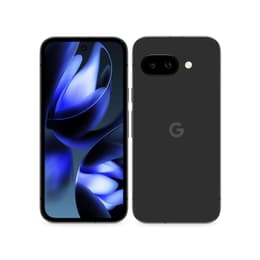
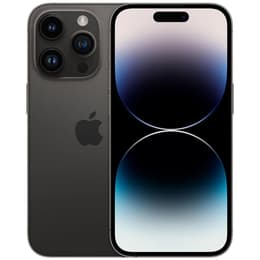
Google Pixel 9a vs iPhone 14 Pro
- 1-year warranty
- Free standard shipping
- Free 30-day returns
Differences at a glance
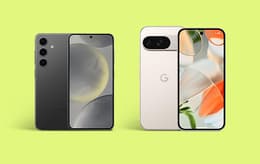
The Google Pixel 9a (2025) and the Apple iPhone 14 Pro (2022) represent different approaches to modern smartphone design, balancing everyday capability with distinct platform ecosystems. While the Google Pixel 9a runs on Android with a focus on streamlined efficiency and modern software features, the Apple iPhone 14 Pro operates on iOS within a refined hardware framework. Both devices cater to users seeking dependable daily performance, though they differ significantly in their launch timelines, camera layouts, and ecosystem integration.
Available Models
Colour
Storage (GB)
Scores
Durability
When examining hardware longevity and software support, both devices offer extended lifespans, though their release timelines and update structures differ.
- Software Support: The Google Pixel 9a benefits from a later release window and Google's multi-year update commitment, while the iPhone 14 Pro maintains Apple's consistent long-term update schedule for iOS.
- Repairability: Both manufacturers provide structured repair networks, though availability of parts and service options can vary depending on regional support channels.
- Practical Lifespan: Robust build materials and ongoing software updates ensure that both smartphones remain capable and secure for years of daily use.
Release year
2025
2022
Operating system
Android
iOS
Foldable
No
No
Performance
Handling daily tasks, memory management, and power consumption varies between the two models due to their distinct hardware configurations and operating systems.
- Multitasking and Responsiveness: Both devices manage everyday apps, web browsing, and switching between multiple programs smoothly without noticeable lag.
- Battery Behavior: The Google Pixel 9a includes a large capacity power cell that easily lasts through a full day of mixed use, whereas the iPhone 14 Pro relies on optimized power efficiency to manage its smaller battery effectively.
- Storage Options: Both smartphones are available in multiple storage tiers to accommodate varying media libraries and document storage needs.
Screen quality
Visual output and display responsiveness play a central role in the user experience, with both models offering bright, clear panels.
- Display Technology: Both devices use vibrant OLED screens that deliver deep black levels and high contrast ratios for comfortable viewing in various lighting conditions.
- Refresh Rate: Smooth scrolling and fluid animations are supported on both displays, enhancing readability during web browsing and social media use.
- Outdoor Visibility: High peak brightness capabilities on both screens ensure that text and images remain legible even under direct sunlight.
Resolution
1080x2424
1179 x 2556
Screen type
P-OLED
LTPO Super Retina XDR OLED
Audiovisual
Media capture and audio playback capabilities cater to different creative and entertainment preferences through distinct hardware layouts.
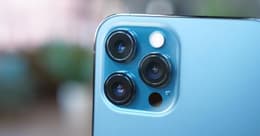
- Camera Systems: The Google Pixel 9a utilizes a reliable dual-lens rear setup paired with computational photography, whereas the iPhone 14 Pro features a versatile triple-lens array including a dedicated telephoto zoom lens.
- Video and Low Light: Both models record stable, high-resolution video and produce clear images in challenging lighting conditions using automated processing features.
- Media Consumption: Built-in stereo speakers deliver clear audio output suitable for hands-free calls, podcasts, and casual video viewing.
Miscellaneous
Practical day-to-day usability is shaped by physical dimensions, connectivity standards, and biometric authentication methods.
- Build and Handling: The Google Pixel 9a offers a lightweight plastic and aluminum frame, while the iPhone 14 Pro features a heavier textured glass and stainless steel construction.
- Connectivity: Both models support modern 5G cellular networks, Wi-Fi standards, and Bluetooth for reliable accessory pairing.
- Security: Biometric authentication is handled via facial recognition on the Apple device and an under-display sensor on the Google model.
Weight
186 oz
206 oz
Screen size (in)
6.3
6,1
Network
5G
5G
SIM card
Physical SIM + eSIM
Physical SIM + eSIM
Carrier compatibility
Unlocked
Unlocked
What the community thinks
Choosing between these two smartphones depends largely on preferred software ecosystems and individual feature priorities. Users who prefer the customization and integrated features of Android will find the Google Pixel 9a well-suited to their daily routines, while those embedded in the Apple ecosystem will lean toward the iPhone 14 Pro for its seamless device synchronization. Consumer feedback highlights the Pixel 9a for its reliable battery longevity and straightforward interface, whereas the iPhone 14 Pro receives frequent praise for its premium materials and versatile camera zoom capabilities.
For those looking to make a sustainable choice, opting for a quality-assured refurbished option provides an eco-friendly alternative that reduces electronic waste without compromising on functional capability. Ultimately, both devices offer robust performance profiles that align with different user preferences.