Compare models
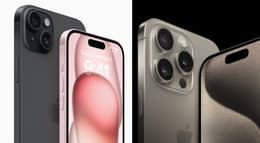
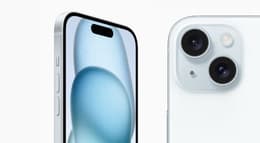
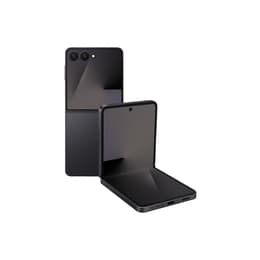
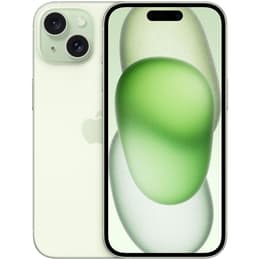
Galaxy Z Flip7 vs iPhone 15
- 1-year warranty
- Free standard shipping
- Free 30-day returns
Differences at a glance
The Samsung Galaxy Z Flip7 (2025) and the Apple iPhone 15 (2023) represent two distinct approaches to modern smartphone design, contrasting a foldable clamshell form factor with a traditional slate layout. While they serve different user preferences through their respective Android and iOS operating systems, both devices deliver capable everyday performance and advanced features. The primary differentiators lie in their physical design, display configurations, and ecosystem integration.
Available Models
Colour
Storage (GB)
Scores
Durability
When evaluating structural longevity and software support, both devices offer robust lifespans backed by contemporary manufacturing standards, though their physical formats introduce unique maintenance considerations.
- Software Support: Both manufacturers provide multi-year operating system updates and security patches, helping maintain software relevance and system security over extended periods of daily use.
- Physical Durability: The iPhone 15 utilizes a rigid glass and aluminum construction with water resistance ratings, whereas the Galaxy Z Flip7 features a folding display mechanism that requires careful handling alongside its hinge and protective screen layers.
- Repairability: Traditional slate devices like the iPhone generally present more straightforward paths for component replacements, while folding displays involve specialized maintenance procedures.
Release year
2025
2023
Operating system
Android
iOS
Foldable
Yes
No
Performance
Both smartphones handle demanding daily applications, routine multitasking, and casual gaming smoothly, though they differ in memory allocation and thermal management under heavy loads.
- System Responsiveness: Each model runs modern apps, web browsing, and media streaming fluidly without noticeable lag, supported by optimized hardware and software integration.
- Multitasking and Memory: The Galaxy Z Flip7 offers generous RAM capacity suited for running multiple applications simultaneously, while the iPhone 15 relies on efficient memory management within iOS to maintain stable background performance.
- Battery Behavior: Battery endurance varies based on usage patterns, with both devices comfortably lasting through a standard day of moderate mixed use before requiring a recharge.
Screen quality
Display characteristics represent a major divergence between the two models, impacting how users consume media, interact with notifications, and view content outdoors.
- Display Technology: The iPhone 15 features a fixed, bright OLED panel with accurate color reproduction, while the Galaxy Z Flip7 provides a folding main display alongside a functional cover screen for checking notifications without opening the device.
- Outdoor Visibility: Both panels offer high peak brightness levels, ensuring readability and clear text rendering under direct sunlight.
- Refresh Dynamics: The screens deliver responsive touch interaction and smooth visual transitions during scrolling and general navigation.
Resolution
1080x2520
1179 x 2556
Audiovisual
Imaging capabilities across both smartphones cater well to casual photography, video recording, and everyday content capture.
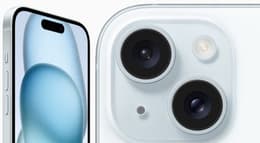
- Camera Systems: Both devices feature high-resolution main sensors accompanied by ultra-wide lenses, capturing sharp daylight photos with balanced color accuracy.
- Low-Light Performance: Computational photography algorithms help reduce noise and preserve detail in dim environments across both models.
- Video and Audio: Video recording supports stable movement and crisp resolution, complemented by clear microphone input for calls and media capture, alongside balanced stereo speaker output.
Miscellaneous
Practical daily usability is shaped by physical dimensions, connectivity standards, and biometric security features.
- Connectivity and Ports: Both models support current 5G networks and fast Wi-Fi standards, utilizing standard USB-C connection ports for charging and data transfer.
- Size and Handling: The iPhone 15 offers a compact, lightweight slate footprint that rests easily in one hand or a pocket, whereas the Galaxy Z Flip7 folds in half to minimize its vertical pocket footprint while requiring a two-handed opening gesture.
- Security Sensors: Each device relies on advanced facial recognition or integrated biometric sensors for secure device unlocking and authentication.
Weight
188 oz
171 oz
Screen size (in)
6.9
6.1
Network
5G
5G
SIM card
Physical SIM + eSIM
Physical SIM + eSIM
Carrier compatibility
Unlocked
Unlocked
What the community thinks
Choosing between these two smartphones depends heavily on your preferred form factor, software ecosystem, and daily habits. Users prioritizing a compact, pocket-friendly footprint with innovative folding mechanics and multitasking flexibility will find the Galaxy Z Flip7 well-suited to their routine. Conversely, users seeking a traditional, straightforward slate design integrated tightly into the iOS ecosystem will naturally lean toward the iPhone 15. Reviewing a quality-assured refurbished option provides an eco-friendly alternative for acquiring either device while supporting sustainable technology choices. Ultimately, evaluating how you interact with your phone daily will guide you toward the right model.