
Compare models
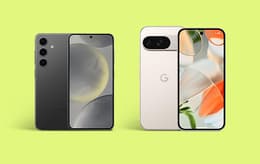
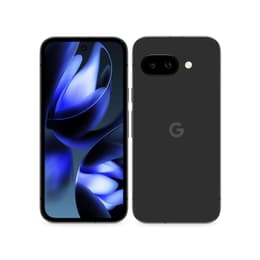
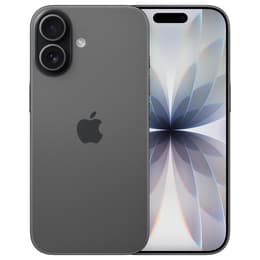
Google Pixel 9a vs iPhone 17
- 1-year warranty
- Free standard shipping
- Free 30-day returns
Differences at a glance
The Google Pixel 9a (2025) and the iPhone 17 (2025) represent distinct approaches to modern smartphone engineering, catering to different operating system preferences and user priorities. While the Pixel 9a runs on Android and emphasizes accessible everyday utility, the iPhone 17 operates on iOS within Apple's ecosystem, bringing updated processing hardware and refined display technology. These two devices offer compelling choices for consumers evaluating current smartphone options, differing primarily in their software environments, camera systems, and structural design.
Available Models
Colour
Storage (GB)
Scores
Durability
Both smartphones are built to remain functional and secure for years, though their update lifecycles and physical repair frameworks differ.
- Software support timelines: The Google Pixel 9a receives seven years of full operating system updates and security patches, matching long-term industry standards. The iPhone 17 benefits from Apple's traditional multi-year iOS support cycle, ensuring sustained software compatibility.
- Build durability: The Pixel 9a features robust water and dust resistance alongside sturdy materials. The iPhone 17 incorporates advanced front glass protection designed to resist everyday scratching and environmental exposure.
- Expected lifespan: Both devices offer ample performance headroom to handle routine updates and application evolution smoothly throughout multi-year ownership.
Release year
2025
2025
Operating system
Android
iOS
Foldable
No
No
Performance
Day-to-day responsiveness and multitasking efficiency vary based on how each device manages its internal hardware and memory resources.
- App loading and multitasking: Both models handle demanding applications, web browsing, and split-screen tasks smoothly without noticeable stutter or slowdowns.
- Battery behavior: The Pixel 9a includes a high-capacity battery designed to endure extended periods of heavy use. The iPhone 17 optimizes power efficiency to comfortably complete a full day of mixed usage.
- Storage configurations: The Pixel 9a starts with efficient baseline storage options, while the iPhone 17 begins with larger capacity tiers to accommodate extensive media libraries.
Screen quality
Display characteristics shape how content is viewed, offering bright and clear panels tailored for media consumption and daily navigation.
- Panel technology: Both devices utilize vibrant OLED technology, delivering deep black levels, rich contrast, and sharp text rendering.
- Refresh rate smoothness: Each model supports a high adaptive refresh rate of up to 120Hz, ensuring fluid scrolling through menus, web pages, and animations.
- Outdoor visibility: High peak brightness capabilities on both screens allow for clear readability even under direct sunlight.
Audiovisual
Photography and media capture capabilities reflect distinct optical setups and image processing philosophies.
- Camera systems: The Pixel 9a utilizes a reliable dual-lens rear layout supported by advanced computational photography tools. The iPhone 17 equips dual high-resolution sensors paired with rapid image processing for detailed shots.
- Low-light and video: Both smartphones capture clear, balanced images in dim environments and record stable, high-definition video with clean audio pickup.
- Audio output: Integrated stereo speakers deliver clear sound quality suitable for hands-free calls, podcasts, and casual video playback.
Miscellaneous
Physical dimensions and connectivity standards influence everyday handling and convenience.
- Connectivity options: Both models support rapid 5G cellular networks, modern Wi-Fi standards, and Bluetooth for accessory pairing.
- Port types and biometrics: Each device uses a standard reversible charging port and offers secure biometric authentication through facial recognition or fingerprint scanning.
- Form factor: The Pixel 9a provides a lightweight, balanced hand feel, while the iPhone 17 features a contoured aluminum and glass body designed for comfortable grip.
Weight
186 oz
177 oz
Screen size (in)
6.3
6.3
Network
5G
5G
SIM card
Physical SIM + eSIM
Physical SIM + eSIM
Carrier compatibility
Unlocked
Unlocked
What the community thinks
When deciding between these two devices, user preferences typically center around software ecosystems, camera style, and interface familiarity. Users prioritizing an open operating system, deep artificial intelligence integration, and long-term software commitments often lean toward the Google Pixel 9a. Conversely, users invested in Apple's device synergy, streamlined gesture navigation, and extended baseline storage tend to prefer the iPhone 17. For shoppers seeking a quality-assured refurbished option, both models appear regularly on platforms like Back Market as a sustainable choice that extends device lifecycles.
Ultimately, selecting the right smartphone depends on personal workflow habits and preferred digital environments. Neither device represents a universal choice, allowing buyers to weigh hardware capabilities directly against their daily communication and media needs.