
Compare models
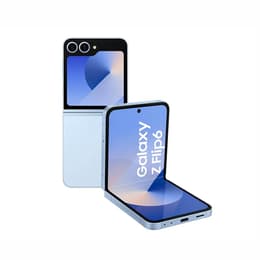
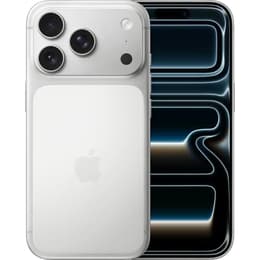
Galaxy Z Flip6 vs iPhone 17 Pro
- 1-year warranty
- Free standard shipping
- Free 30-day returns
Differences at a glance
The Samsung Galaxy Z Flip6 (2024) and the Apple iPhone 17 Pro (2025) represent two distinct approaches to modern mobile engineering, contrasting a foldable clamshell design with a traditional slate flagship. While the Galaxy Z Flip6 prioritizes a compact, pocketable form factor with a flexible display, the iPhone 17 Pro focuses on robust processing power and professional-grade imaging in a rigid body. Operating on Android and iOS respectively, these devices cater to users looking for different daily experiences.
Available Models
Colour
Storage
Scores
Durability
When evaluating structural longevity and software support, both devices offer distinct advantages based on their release years and mechanical designs.
- Release timeline and update support: The iPhone 17 Pro benefits from a newer release date and Apple's extended software update schedule, whereas the Galaxy Z Flip6 launched a year prior. Both receive multi-year operating system upgrades.
- Mechanical and physical durability: The Galaxy Z Flip6 features a folding mechanism and protective outer layers requiring careful handling, while the iPhone 17 Pro employs a traditional rigid slate construction with reinforced glass and titanium elements.
- Repairability and lifespan: Traditional slate designs like the iPhone generally present simpler structural maintenance pathways compared to folding screen assemblies, influencing long-term practical upkeep.
Release year
2024
2025
Compatible with latest Update
Yes
Yes
Operating system
Android
iOS
Foldable
Yes
No
Performance
System responsiveness, multitasking capabilities, and battery endurance vary significantly due to the internal hardware layouts and operating systems of both smartphones.
- Everyday multitasking and speed: Both devices handle demanding apps, split-screen workflows, and graphic-heavy games smoothly, supported by ample memory configurations.
- Battery behavior and endurance: The iPhone 17 Pro manages power efficiently for extended media playback, whereas the Galaxy Z Flip6's smaller physical internal layout accommodates a moderate battery capacity suited for standard daily routines.
- Storage configurations: Both models offer generous starting storage tiers alongside high-capacity options for media and application libraries.
Screen quality
Display technology creates a fundamental divergence in how users interact with visual content on a daily basis.
- Display mechanics: The Galaxy Z Flip6 features a flexible inner OLED panel alongside a functional external cover screen for quick notifications, contrasting with the single rigid, vibrant OLED screen on the iPhone 17 Pro.
- Outdoor visibility: Both panels offer high peak brightness levels, ensuring readability and clear color reproduction under bright sunlight.
- Refresh rate and smoothness: Fluid scrolling and responsive touch interactions are standard on both devices through high refresh rate capabilities.
Audiovisual
Optics and media playback hardware differ to match distinct photography styles and entertainment preferences.
- Camera versatility: The iPhone 17 Pro utilizes a triple-lens system with advanced high-resolution sensors across wide, ultra-wide, and telephoto focal lengths, while the Galaxy Z Flip6 employs a dual-lens rear setup complemented by flexible angles for hands-free framing.
- Video and audio output: Both models capture detailed high-resolution video with stabilization, paired with stereo speakers that deliver balanced sound for casual media consumption.
- Low-light performance: Advanced computational photography on both devices assists in capturing bright, detailed images in dim lighting conditions.
Front camera
10 megapixels
18 megapixels
Miscellaneous
Connectivity standards, physical dimensions, and everyday usability features shape how these phones fit into daily life.
- Connectivity and ports: The iPhone 17 Pro relies on a universal USB-C port and modern wireless standards, matching the USB-C connectivity, 5G capabilities, and fast Wi-Fi found on the Galaxy Z Flip6.
- Physical handling: The Galaxy Z Flip6 folds in half to occupy minimal pocket space, whereas the iPhone 17 Pro maintains a standard slab footprint with a balanced weight distribution.
- Authentication sensors: The Galaxy Z Flip6 uses a side-mounted fingerprint sensor integrated into the power button, while the iPhone 17 Pro relies on facial recognition technology.
Weight
187 oz
206 oz
Screen size (in)
6.7
6.3
Network
5G
5G
SIM card
Physical SIM + eSIM
Physical SIM + eSIM
Carrier compatibility
Unlocked
Unlocked
What the community thinks
Choosing between the Samsung Galaxy Z Flip6 and the Apple iPhone 17 Pro depends heavily on personal workflow preferences and physical design priorities. Users who value a compact, pocket-friendly footprint and flexible folding angles often lean toward the Galaxy Z Flip6, while individuals prioritizing a rigid traditional frame, extensive telephoto zoom options, and extended software support frequently prefer the iPhone 17 Pro. Both smartphones deliver high-level processing and vibrant displays tailored to modern mobile demands.
For consumers looking to make a sustainable purchase without compromising on quality, exploring a quality-assured refurbished option provides an eco-friendly alternative that extends the lifecycle of these advanced electronics.