
Compare models

Galaxy S24 Ultra vs Google Pixel 10 Pro

  • 1-year warranty
  • Free standard shipping
  • Free 30-day returns
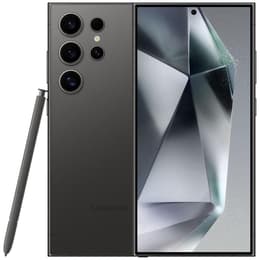
Galaxy S24 Ultra
Starting at

Refurbished price:A$819.00

Versus A$1,852.00 new

See options
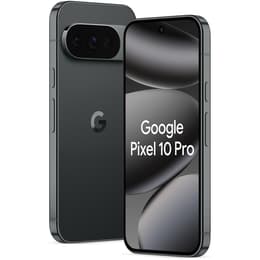
Google Pixel 10 Pro
Starting at

Refurbished price:A$1,181.00

Versus A$1,230.00 new

See options

Differences at a glance

The Samsung Galaxy S24 Ultra (2024) and the Google Pixel 10 Pro (2025) represent high-end flagship smartphone experiences within the Android ecosystem. Both devices offer premium build quality, advanced camera systems, and deeply integrated intelligent software features, yet they approach daily mobile computing with distinct design philosophies.

While the Galaxy S24 Ultra features a large, angular frame paired with an integrated stylus, the Pixel 10 Pro focuses on a compact, rounded form factor driven by deep software-based automation. Both run on the Android operating system, though they deliver unique interface styles and distinct update lifecycles.

Available Models

Colour

Storage

Scores

Durability

When evaluating hardware longevity and software support, both smartphones offer extended update commitments designed to keep them functional for many years, though their release schedules and physical durability measures differ.

  • Software longevity: The Galaxy S24 Ultra provides long-term operating system upgrades spanning seven years from its release. The Pixel 10 Pro likewise delivers extensive multi-year software and security support, ensuring both devices stay current with modern app requirements.
  • Repairability and build: Both models use robust scratch-resistant glass panels and sturdy metal frames. Their internal components are structured to accommodate professional servicing, though users should consult authorized service centers for repairs. Choosing a quality-assured refurbished option provides a sustainable way to extend the operational lifespan of these devices.

Release year

2024

2025

Operating system

Android

Android

Foldable

No

No

Performance

System responsiveness and multi-tasking capabilities on both flagships handle demanding applications, heavy multitasking, and modern mobile gaming without noticeable stuttering.

  • System responsiveness: Both devices load complex applications instantly, switch between background tasks seamlessly, and maintain steady frame rates during extended gaming sessions.
  • Memory and storage: Both models offer generous memory configurations paired with fast internal storage options, supporting smooth background app retention and rapid file transfers.
  • Battery behavior: Both smartphones comfortably manage a full day of standard mixed usage under normal conditions, though heavy navigation or prolonged video recording will require midday replenishment.

Screen quality

Display technology on both devices delivers vibrant color reproduction, deep contrast ratios, and high peak brightness levels for comfortable viewing in direct sunlight.

  • Display panels: Both units utilize advanced organic light-emitting diode technology with adaptive refresh rates reaching up to 120Hz, ensuring smooth scrolling and responsive touch interactions.
  • Screen dimensions: The Galaxy S24 Ultra provides a larger canvas suited for media consumption and note-taking, whereas the Pixel 10 Pro offers a more compact screen size that improves single-handed reach.
  • Outdoor visibility: High maximum brightness outputs on both displays ensure that text and images remain legible even under bright outdoor lighting conditions.

Resolution

1440 x 3120

1280x2856

Audiovisual

Imaging capabilities on both flagships deliver sharp, detailed photographs and stable video recordings across various lighting scenarios.

  • Camera systems: Both devices feature multi-lens configurations including ultra-wide and telephoto capabilities, allowing for flexible framing from wide landscapes to distant subjects.
  • Low-light and video: Advanced computational image processing on both models balances shadows and highlights effectively in dim environments while producing stable, high-resolution video footage.
  • Audio output: Stereo speaker setups on both smartphones deliver clear dialogue and balanced sound profiles for media streaming and hands-free calls.

Miscellaneous

Practical daily usability features, connectivity standards, and physical dimensions shape how each device feels and operates in day-to-day scenarios.

  • Connectivity and ports: Both smartphones support modern fifth-generation cellular networks, fast wireless standards, and utilize standard connector ports for charging and data transfer.
  • Biometrics and sensors: Fast under-display fingerprint sensors and secure facial recognition features are integrated into both models for convenient unlocking.
  • Handling and ergonomics: The Galaxy S24 Ultra has a broader footprint with squared corners and an embedded stylus, whereas the Pixel 10 Pro features contoured edges designed for comfortable pocketability.

Weight

232 oz

213 oz

Screen size (in)

6.8

6.3

Network

5G

5G

SIM card

Physical SIM + eSIM

Physical SIM + eSIM

Carrier compatibility

Unlocked

Unlocked

What the community thinks

User community discussions frequently praise the Galaxy S24 Ultra for its expansive screen estate, integrated stylus functionality, and versatile zoom lenses, though some users note its large physical footprint can feel heavy during prolonged single-handed use. Conversely, owners of the Pixel 10 Pro highlight its clean software layout, responsive voice automation features, and comfortable ergonomics, while occasional feedback points to a desire for even longer battery endurance under heavy processing loads.

Users prioritizing productivity, a large display workspace, and precise stylus input may prefer the Galaxy S24 Ultra, while users favoring a compact form factor, streamlined software, and advanced automated assistance will lean toward the Pixel 10 Pro. Exploring a quality-assured refurbished option offers a sustainable choice for acquiring either of these capable devices. Selecting the right model ultimately depends on whether physical screen size and accessory integration or ergonomic handling and software simplicity align better with daily personal workflows.


Our recent comparisons