Compare models
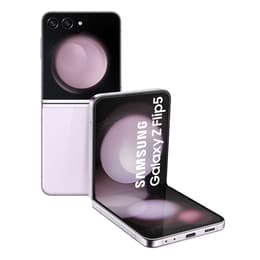
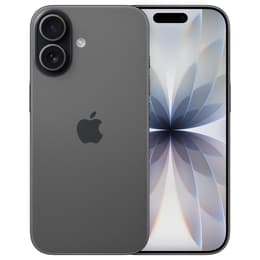
Galaxy Z Flip5 vs iPhone 17
- 1-year warranty
- Free standard shipping
- Free 30-day returns
Differences at a glance
The Samsung Galaxy Z Flip5 (2023) and the Apple iPhone 17 (2025) represent entirely different approaches to modern smartphone design, contrasting a foldable pocket-sized concept with a traditional flagship candybar form factor. While they operate on different software platforms with distinct user interfaces, both devices target users seeking high-tier mobile technology. The primary differentiators center around the foldable folding display mechanism versus traditional glass-and-aluminum durability paired with differing operating systems.
Available Models
Colour
Storage
Scores
Durability
When examining longevity and hardware support, these two devices reflect different release timelines and structural design philosophies that influence their expected functional lifespans.
- Software Update Support: The iPhone 17 benefits from a later release year, ensuring extended software updates and security patches well into the next decade, while the Galaxy Z Flip5 maintains a multi-year update commitment from its 2023 launch window.
- Hardware Wear and Tear: Traditional candybar structures like the iPhone 17 offer higher resistance to daily mechanical wear, whereas the Galaxy Z Flip5 requires careful handling around its central flexible hinge mechanism over years of frequent folding.
- Repairability and Lifecycle: Both manufacturers provide structured repair frameworks, though choosing a quality-assured refurbished option for either device extends their operational lifecycle while promoting sustainable electronic consumption habits.
Release year
2023
2025
Compatible with latest Update
Yes
Yes
Operating system
Android
iOS
Foldable
Yes
No
Performance
Under everyday workloads, both devices deliver swift system responsiveness, though their internal hardware architectures handle heavy multitasking and power management differently.
- Multitasking and App Speed: Both devices load demanding applications instantly and transition between multiple open windows smoothly, maintaining high frame rates during extended usage sessions.
- Battery Behavior: The traditional design of the iPhone 17 accommodates power efficiency optimizations that typically stretch battery reserves through a full day of mixed use, while the compact battery capacity of the Galaxy Z Flip5 may require a midday recharge for heavy users.
- Storage Configurations: Both smartphones offer ample built-in storage tiers to house large photo libraries, downloaded media, and offline documents without performance degradation.
Screen quality
Visual output and display engineering differ significantly due to the physical layout and form factors unique to each device.
- Display Technology: The Galaxy Z Flip5 features a flexible interior OLED panel that folds in half alongside an exterior cover screen for quick notifications, whereas the iPhone 17 utilizes a rigid, high-brightness OLED panel with deep contrast and vivid color reproduction.
- Outdoor Legibility: Both screens reach high peak brightness levels that ensure clear visibility under direct sunlight, making outdoor map reading and text navigation straightforward.
- Refresh Rate and Smoothness: Both devices employ adaptive refresh rate technology that scales smoothly from low hertz for static reading up to higher refresh rates for fluid scrolling and motion clarity.
Audiovisual
Imaging hardware and media recording capabilities cater to everyday photography enthusiasts through distinct lens arrays and processing software.
- Camera System Setup: The iPhone 17 provides a versatile multi-lens rear array optimized for consistent everyday snapshots and detailed low-light captures, while the Galaxy Z Flip5 utilizes a dual rear camera system that doubles as a self-portrait tool by utilizing its foldable design as a built-in tripod.
- Video and Audio Quality: Both models record crisp high-resolution video with advanced stabilization features to minimize hand shake, complemented by clear multi-microphone setups for voice calls and audio recording.
- Media Consumption: Built-in stereo speakers on both smartphones deliver balanced sound output suitable for casual podcast listening and video playback.
Front camera
10 megapixels
18 megapixels
Miscellaneous
Practical physical traits, connectivity standards, and daily handling ergonomics separate these two devices in daily use.
- Connectivity and Ports: The iPhone 17 relies on a universal USB-C port alongside modern 5G and Wi-Fi standards, whereas the Galaxy Z Flip5 pairs its USB-C connection with similar wireless connectivity protocols and a side-mounted fingerprint sensor.
- Biometric Security: The iPhone 17 uses facial recognition technology for secure authentication, while the Galaxy Z Flip5 integrates a fingerprint reader directly into the power button alongside facial unlock options.
- Physical Handling: Weighing differently due to their materials, the Galaxy Z Flip5 folds down into a compact square that fits easily into small pockets, while the iPhone 17 offers a standard slim profile that rests flat in the hand.
Weight
187 oz
177 oz
Screen size (in)
6.7
6.3
Network
5G
5G
SIM card
Physical SIM + eSIM
Physical SIM + eSIM
Carrier compatibility
Unlocked
Unlocked
What the community thinks
Choosing between the Samsung Galaxy Z Flip5 and the Apple iPhone 17 depends heavily on personal preferences regarding physical form factor, operating system ecosystems, and daily utility needs. Users prioritizing a compact, pocket-friendly footprint with a versatile folding design often lean toward the Galaxy Z Flip5, while those valuing traditional candybar ergonomics, longer software support windows, and extended battery endurance generally prefer the iPhone 17. Community feedback indicates that users appreciate the novelty and convenience of the flip design for portable carrying, whereas traditional smartphone users praise the consistent reliability and battery stamina of the standard flagship layout.
For consumers seeking a sustainable choice, opting for a quality-assured refurbished model of either device provides an eco-friendly alternative that reduces electronic waste without compromising on core performance. Reviewing these practical differences ensures an informed decision tailored precisely to individual daily habits and long-term usage expectations.