
Compare models
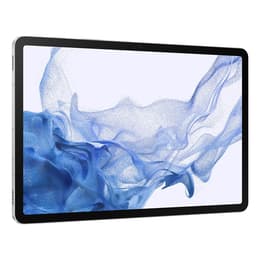
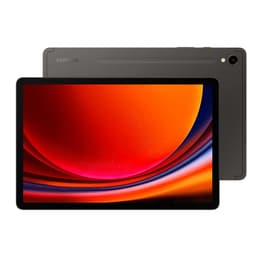
Galaxy Tab S8+ (12.4", 2022) vs Galaxy Tab S9 (11.0", 2023)
- 1-year warranty
- Free standard shipping
- Free 30-day returns
Differences at a glance
The Samsung Galaxy Tab S8+ (2022) and the Galaxy Tab S9 (2023) represent two generations of premium Android tablets designed to balance productivity and media consumption. While both devices run on the Android operating system with Samsung's custom interface, they differ significantly in physical dimensions, screen real estate, and internal generation steps.
The primary differentiators between these two models are screen size and display technology, which directly influence portability and visual immersion for everyday tasks.
Available Models
Colour
Storage
Scores
Durability
When evaluating the long-term viability and physical endurance of these tablets, several factors related to software updates and construction come into play.
- Software support timelines: The Galaxy Tab S9 benefits from a one-year newer release date, extending its window for security patches and major operating system updates compared to the Galaxy Tab S8+.
- Repairability and build: Both models feature robust aluminum frames designed for daily wear, though professional repair assessments indicate standard industry scores for component replacement ease.
- Expected lifespan: Both devices are built to maintain reliable daily performance over several years, with software longevity being the main differentiator for long-term users.
Release year
2022
2023
Operating system
Android
Android
Performance
Underneath the surface, these tablets handle multitasking, media streaming, and productivity apps through different generations of internal processing hardware.
- Multitasking and app execution: The Galaxy Tab S9 handles demanding multi-window workflows and heavy gaming with slightly increased speed and thermal efficiency due to its newer generation processor.
- Battery behavior: The Galaxy Tab S8+ utilizes a larger physical footprint to accommodate a higher-capacity battery to support its bigger screen, while the Galaxy Tab S9 balances its power draw with more efficient internal components.
- Storage capacity: Both models offer scalable storage configurations via expandable memory card slots, allowing users to keep large media libraries locally accessible.
Screen quality
Visual output and display characteristics form a central part of the user experience, dividing these two choices by size and panel refinement.
- Display technology: Both models utilize vibrant OLED panels that deliver deep blacks and high contrast ratios, though the Galaxy Tab S9 introduces enhancements for outdoor visibility and reduced eye strain.
- Screen dimensions: The Galaxy Tab S8+ offers a larger 12.4-inch canvas well-suited for split-screen multitasking, whereas the Galaxy Tab S9 opts for a more compact 11.0-inch form factor that favors single-handed holding.
- Refresh rate and smoothness: Both screens support high refresh rates for fluid scrolling, responsive digital pen input, and seamless navigation through the user interface.
Resolution
1752 x 2800
1600x2560
Pixel density
270ppp
280ppp
Audiovisual
Media creation, video calling, and audio output capabilities vary slightly in hardware placement and everyday utility across both models.
- Camera systems: Both tablets feature capable front-facing ultra-wide cameras positioned for landscape video calls, alongside rear setups that handle document scanning and casual snapshots effectively.
- Speaker output: Quad-speaker arrays tuned by industry specialists provide rich audio for media consumption, filling medium-sized rooms clearly without requiring external speakers.
- Microphone clarity: Integrated multi-microphone setups isolate voice input effectively during virtual meetings and audio recording sessions.
Miscellaneous
Physical dimensions, connectivity standards, and daily handling characteristics determine how easily these devices fit into travel routines.
- Portability and weight: The Galaxy Tab S9 offers a lighter and more compact body that slips easily into smaller bags, while the Galaxy Tab S8+ provides a sprawling workspace at the expense of added weight.
- Connectivity standards: Both models support rapid Wi-Fi standards and optional cellular data connectivity, paired with versatile USB-C ports for charging and accessory attachment.
- Biometric security: The Galaxy Tab S9 integrates an under-display fingerprint sensor, whereas the Galaxy Tab S8+ relies on either an under-display sensor or facial recognition depending on exact regional specifications.
Weight
572 oz
498 oz
Screen size (in)
12.4
11.0
Network
Wi-Fi + 5G
Wi-Fi + 5G
Carrier compatibility
Without SIM Port
Unlocked
Connector
USB Type-C
USB Type-C
What the community thinks
User discussions across online communities frequently highlight the Galaxy Tab S8+ for its expansive screen space, which many find ideal for digital drawing, reading documents side by side, and split-screen productivity. Conversely, owners of the Galaxy Tab S9 frequently praise its refined outdoor display brightness and lighter physical footprint, making it a preferred option for frequent travelers and commuters who prioritize ease of carrying.
Users prioritizing maximum screen estate for multitasking will find the Galaxy Tab S8+ well-suited to their needs, while users prioritizing a compact form factor and enhanced outdoor viewing may lean toward the Galaxy Tab S9. For those looking to make a sustainable choice, opting for a quality-assured refurbished option through platforms like Back Market provides an eco-friendly alternative that extends the lifecycle of these electronics without compromising on functional reliability. Reviewing individual workflow habits remains the most effective way to determine which screen size and generational update level aligns best with daily requirements.