
iPhone
Compare models
Differences at a glance
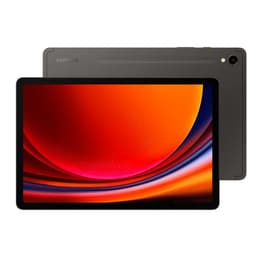
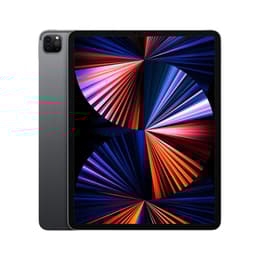
The Samsung Galaxy Tab S9, released in August 2023, and the Apple iPad Pro 11-inch (M1 series), launched in May 2021, represent two distinct approaches to premium tablet computing. While both offer powerful performance and high-quality displays, they differ significantly in their operating systems, accessory ecosystems, and core design philosophies. The Tab S9 runs on Android, providing a more open software experience, while the iPad Pro operates on iPadOS, known for its optimized app ecosystem and tight integration with Apple's hardware.
Colour
Storage
The longevity of a tablet is influenced by its release timeline, software support, and physical durability. The Galaxy Tab S9, being a 2023 release, benefits from a more recent launch, while the iPad Pro 11-inch (M1) dates back to 2021.
Release year
Operating system
Both tablets offer robust performance suitable for demanding tasks, though their underlying architectures differ. The Galaxy Tab S9 is powered by a current-generation Android processor, while the iPad Pro 11-inch (M1) utilizes a desktop-class chip.
The visual experience on both tablets is a highlight, with each device featuring a high-resolution display designed for clarity and vibrant colors.
Resolution
Pixel density
While tablets are not typically primary photography devices, both the Galaxy Tab S9 and iPad Pro 11-inch (M1) offer capable camera systems for video calls, document scanning, and casual photography.
Beyond core performance and display, several practical features differentiate these two tablets, impacting daily usability and connectivity.
Weight
Screen size (in)
Network
Carrier compatibility
User sentiment for both the Galaxy Tab S9 and the iPad Pro 11-inch (M1) highlights their respective strengths. The Tab S9 is frequently praised for its vibrant AMOLED display, the versatility offered by Android and Samsung DeX, the included S Pen, and its IP68 water and dust resistance. [17, 23, 25, 27] Some users note its strong performance for gaming and multitasking, and the benefit of expandable storage. [5, 17, 23]
Conversely, the iPad Pro 11-inch (M1) receives acclaim for its exceptionally powerful processor, the smooth and optimized iPadOS experience, its robust app ecosystem, and the quality of its display and speakers. [2, 8, 12, 13, 20, 23] Its Center Stage feature for video calls is also a common point of praise. [12]
However, criticisms also emerge. The Tab S9's base storage can be a concern for some, and its camera performance in low light is considered average. [5, 17, 19] For the iPad Pro, common concerns revolve around the limitations of iPadOS for certain professional workflows compared to a desktop OS, and the additional cost of essential accessories like the Apple Pencil and keyboard. [13, 20, 23, 26]
Ultimately, the choice between these two devices depends on individual priorities. Users who value an open operating system, an included stylus, expandable storage, and robust physical durability (IP68 rating) may find the Galaxy Tab S9 to be a more suitable option. Its Android ecosystem and DeX mode cater well to those seeking a flexible, laptop-like experience. On the other hand, users prioritizing raw processing power for demanding creative tasks, a highly refined app ecosystem, and a long history of software support will likely lean towards the iPad Pro 11-inch (M1). Both tablets are excellent choices, and considering a quality-assured refurbished option can provide a sustainable choice for either device.