
iPhone
Compare models
Differences at a glance
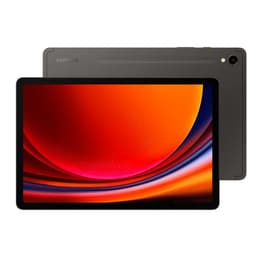
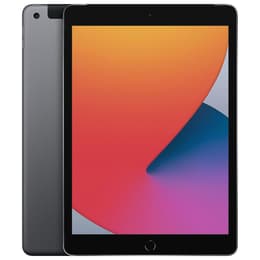
The Samsung Galaxy Tab S9, released in August 2023, and the Apple iPad (8th generation), launched in September 2020, represent distinct approaches to the tablet experience. While both offer versatile platforms for productivity and entertainment, they differ significantly in their operating systems, display technologies, and overall design philosophies. The Galaxy Tab S9 operates on Android, offering a more open ecosystem, whereas the iPad runs on Apple's iPadOS, known for its streamlined integration. These core differences cater to varying user preferences and workflows.
Colour
Storage
When considering the longevity of these tablets, several factors come into play, including their release timelines, software support, and physical durability.
Release year
Operating system
The performance of a tablet is crucial for handling applications, multitasking, and overall responsiveness. Both devices offer capable performance for their respective ecosystems.
The display is a primary interaction point for tablets, and these two devices offer different visual experiences.
Resolution
Pixel density
While tablets are not typically primary photography devices, their camera systems are important for video calls and occasional captures.
Beyond core specifications, several practical elements contribute to the overall user experience of these tablets.
Weight
Screen size (in)
Network
Carrier compatibility
User feedback for the Galaxy Tab S9 often highlights its impressive AMOLED display, the versatility of the included S Pen, and its robust performance for demanding applications and multitasking, especially with the DeX mode. Its IP68 water and dust resistance is also a frequently praised feature. Some users note that while battery life is good, it might not be as extended as some previous models, and the absence of a charger in the box is a common point of discussion. The optimization of some Android apps for tablet screens can also be a minor concern for certain users.
For the iPad (8th generation), common praise centers on its reliable performance for everyday tasks, its strong battery life, and the extensive ecosystem of well-optimized applications available on iPadOS. It is often seen as a solid option for students and casual users. Criticisms frequently mention its dated design with large bezels, the lower resolution of its front-facing camera for video calls, and the continued use of the Lightning port instead of USB-C. The base storage option is also sometimes considered limited.
Users prioritizing a vibrant, high-refresh-rate display, an included stylus for creative work, and a more open operating system with advanced multitasking features like DeX may find the Galaxy Tab S9 better suited to their needs. Conversely, users who value a highly integrated ecosystem, a vast library of tablet-optimized applications, and a consistently smooth user experience for general productivity and media consumption may lean towards the iPad (8th generation). Both devices offer compelling experiences, and choosing between them often comes down to individual preferences for operating system, display technology, and specific use cases. For those considering a more sustainable choice, quality-assured refurbished options are available for both models, providing an eco-friendly alternative.