
iPhone
Compare models
Differences at a glance
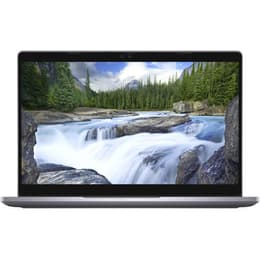
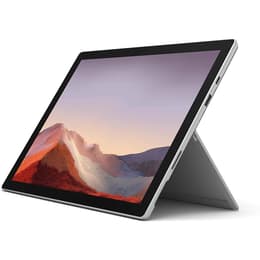
The Dell Latitude 5310 13, released in 2020, is a business-oriented laptop designed for traditional productivity, while the Microsoft Surface Pro 7 Plus 12, launched in early 2021, offers a versatile 2-in-1 tablet-laptop hybrid experience. Both devices operate on the Windows platform, providing a familiar software environment for users. The primary distinction lies in their form factor and how they are intended to be used, catering to different user preferences for portability and functionality.
When considering the long-term usability of these devices, their release timelines and design philosophies play a significant role. The Dell Latitude 5310 13, a traditional laptop from 2020, and the Microsoft Surface Pro 7 Plus 12, a 2-in-1 released in 2021, both benefit from ongoing Windows operating system support, ensuring continued security updates and feature enhancements for several years. The Surface Pro 7 Plus, being slightly newer, may receive feature updates for a marginally longer period.
Release year
Operating system
The performance capabilities of the Dell Latitude 5310 13 and the Microsoft Surface Pro 7 Plus 12 are influenced by their respective hardware generations and design priorities. The Latitude 5310 typically features 10th Generation Intel Core processors, while the Surface Pro 7 Plus is equipped with 11th Generation Intel Core processors, offering a generational leap in processing power and integrated graphics.
Graphic card
The visual experience on the Dell Latitude 5310 13 and the Microsoft Surface Pro 7 Plus 12 differs significantly, primarily due to their display technologies and form factors. The Surface Pro 7 Plus prioritizes a high-resolution, touch-enabled display for a versatile user experience, while the Latitude 5310 offers a more traditional laptop screen.
Resolution
Screen type
The audio and visual capabilities, particularly the camera systems, present a clear distinction between these two devices, reflecting their different design intentions. The Surface Pro 7 Plus, as a hybrid device, offers more advanced camera features for video conferencing and occasional photography, while the Latitude 5310 provides a standard webcam experience.
Beyond core performance and display, several practical elements differentiate the Dell Latitude 5310 13 and the Microsoft Surface Pro 7 Plus 12, impacting their usability in various scenarios. These include connectivity options, physical ports, and overall design for portability.
Weight
Screen size
The Dell Latitude 5310 13 and the Microsoft Surface Pro 7 Plus 12 cater to distinct user needs, each excelling in different areas. User feedback often praises the Latitude 5310 for its robust build quality, extensive port selection, and strong battery life, making it a reliable workhorse for professionals who prefer a traditional laptop experience. Some users have noted occasional fan noise when plugged in, but generally, it is considered a solid and upgradable device.
The Surface Pro 7 Plus, on the other hand, is frequently lauded for its vibrant, high-resolution PixelSense display, excellent cameras for video conferencing, and its versatile 2-in-1 design that allows for seamless transitions between tablet and laptop modes. Common criticisms include its battery life, which, while improved over its predecessor, may still fall short for some heavy users, and the fact that essential accessories like the keyboard and pen are often sold separately.
Users prioritizing a durable, traditional laptop with a wide range of connectivity options and long battery life for consistent office productivity may find the Dell Latitude 5310 13 to be a well-suited choice. Conversely, individuals who value portability, a high-quality touch display with pen support, and superior cameras for communication and light creative work will likely lean towards the Microsoft Surface Pro 7 Plus 12. Both models are available as quality-assured refurbished options, providing an eco-friendly alternative for informed purchasing decisions.