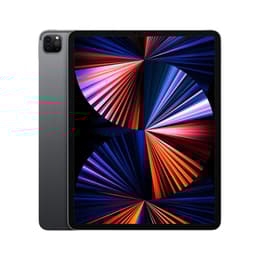
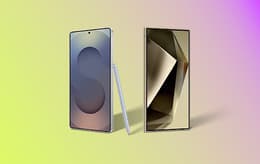
Galaxy Tab S8 Ultra (14.6", 2022) vs iPad Pro (2021, M1 series)

Galaxy Tab S8 Ultra (14.6", 2022)
Starting at

Refurbished price:A$1,029.00

Versus A$3,349.00 new

See options
iPad Pro (2021, M1 series)
Starting at

Refurbished price:A$929.00

Versus A$1,829.00 new

See options

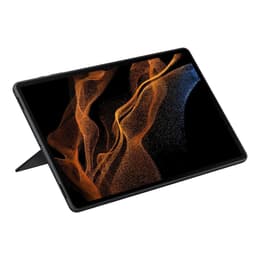
The Samsung Galaxy Tab S8 Ultra, released in 2022, and the Apple iPad Pro M1 series, launched in 2021, represent two distinct approaches to high-end tablet computing. While both devices offer powerful performance and expansive displays, they differ significantly in their operating systems, screen technologies, and overall user experiences. The Galaxy Tab S8 Ultra runs on Android with Samsung's One UI, emphasizing a large Super AMOLED display and included S Pen, whereas the iPad Pro M1 series operates on iPadOS, known for its robust app ecosystem and powerful M1 chip. For consumers considering a quality-assured refurbished option, understanding these core differences is key to making an informed choice.

Scores

Durability

When evaluating the long-term usability of these tablets, their release timelines and software support policies are important considerations.

  • Release Timeline: The iPad Pro M1 series was released in May 2021, making it slightly older than the Galaxy Tab S8 Ultra, which launched in February 2022.
  • Software Support: Samsung typically provides four years of major Android updates and five years of security updates for its flagship tablets, meaning the Tab S8 Ultra's OS updates are expected to continue until around 2026, with security updates extending to 2027. Apple generally offers longer software support for its iPad models, often extending to five or more years of iPadOS updates from the release date.
  • Repairability: Both devices are designed with premium materials, and their repairability scores are generally moderate, requiring specialized tools and expertise for internal component access.

Release year

2022

2021

Compatible with latest Update

Yes

Yes

Operating system

Android

iPadOS

Performance

Both tablets deliver robust performance suitable for demanding tasks, though their underlying architectures differ.

  • Processing Power: The iPad Pro M1 series features a powerful processor that enables smooth multitasking, rapid app launches, and efficient handling of graphics-intensive applications and video editing. The Galaxy Tab S8 Ultra is equipped with a current-generation processor that also provides a responsive experience for everyday use, gaming, and productivity tasks.
  • Multitasking Capabilities: The iPad Pro's iPadOS is optimized for fluid multitasking with features like Split View and Slide Over, while the Galaxy Tab S8 Ultra leverages Android's multi-window capabilities and Samsung DeX mode to offer a desktop-like experience.
  • Battery Behavior: The Galaxy Tab S8 Ultra houses a large 11,200 mAh battery, which in some tests provided around 9 to 9.5 hours of mixed usage, though heavy use of its large display can lead to more frequent charging. The iPad Pro M1 series, with its 12.9-inch model having a 40.88 Wh battery, typically offers around 10 hours of battery life during general use, with some users reporting up to 1.5 to 2 days with lighter usage.

Memory (GB)

8 GB

8 GB

Screen quality

The visual experience on both tablets is a highlight, though they employ different display technologies and sizes.

  • Display Technology and Size: The Galaxy Tab S8 Ultra boasts a massive 14.6-inch Super AMOLED display with a resolution of 2960 x 1848 pixels, offering deep blacks, vibrant colors, and excellent contrast. The 12.9-inch iPad Pro M1 features a Liquid Retina XDR display, which uses mini-LED technology to achieve high brightness, a 1,000,000:1 contrast ratio, and precise local dimming for HDR content. The 11-inch iPad Pro M1 uses a Liquid Retina IPS LCD display.
  • Brightness and Clarity: The Tab S8 Ultra's Super AMOLED screen is bright enough for comfortable outdoor use, typically around 500 nits, with sharp details. The 12.9-inch iPad Pro's Liquid Retina XDR display can reach 1000 nits of full-screen brightness and 1600 nits peak brightness for HDR content, providing exceptional clarity and dynamic range.
  • Refresh Rate: Both tablets feature a 120Hz refresh rate, contributing to smooth scrolling and responsive interactions.

Resolution

1848 x 2960

2732 x 2048

Screen type

Super AMOLED

Liquid Retina XDR

Pixel density

240ppp

264ppp

Audiovisual

While tablets are not typically primary photography devices, both offer capable camera systems for video calls and occasional captures.

  • Rear Camera Systems: The Galaxy Tab S8 Ultra includes a dual rear camera setup with a 13MP main sensor and a 6MP ultra-wide lens. The iPad Pro M1 series features a dual rear camera system with a 12MP wide camera, a 10MP ultra-wide camera, and a LiDAR scanner for enhanced depth sensing and augmented reality applications.
  • Front Camera Capabilities: The Tab S8 Ultra stands out with dual 12MP front-facing cameras (wide and ultra-wide) housed in a notch, which are well-suited for high-quality video conferencing and selfies, featuring auto-framing technology. The iPad Pro M1 also has a 12MP TrueDepth ultra-wide front camera with Center Stage, which automatically keeps the user in frame during video calls.
  • Audio Experience: Both tablets offer quad stereo speakers with Dolby Atmos support, providing an immersive audio experience for media consumption. The Tab S8 Ultra also features three microphones for clear dialogue.

Miscellaneous

Beyond core specifications, several practical elements differentiate these two high-end tablets.

  • Connectivity: Both devices support Wi-Fi 6 (or Wi-Fi 6E for the Tab S8 Ultra) and Bluetooth 5.2 (Tab S8 Ultra) or 5.0 (iPad Pro). Optional 5G cellular connectivity is available for both.
  • Ports and Accessories: The Galaxy Tab S8 Ultra features a USB-C 3.2 port and includes the S Pen stylus in the box, which attaches magnetically. It also supports microSD card expansion up to 1TB. The iPad Pro M1 series includes a Thunderbolt/USB 4 port, offering high-speed data transfer and compatibility with a wide range of accessories, but the Apple Pencil is sold separately.
  • Design and Handling: The Tab S8 Ultra is notably thin at 5.5mm and weighs around 726g (Wi-Fi model), featuring a large 14.6-inch screen. The 12.9-inch iPad Pro M1 is 6.4mm thick and weighs 682g (Wi-Fi model). The larger size of the Tab S8 Ultra can be a significant factor for portability and one-handed use.

Weight

728 oz

682 oz

Screen size (in)

14.6

12.9

Network

Wi-Fi + 5G

Wi-Fi

Carrier compatibility

Unlocked

Without SIM Port

The Galaxy Tab S8 Ultra and the iPad Pro M1 series each offer compelling features tailored to different user preferences. Users often praise the Tab S8 Ultra for its expansive Super AMOLED display, which provides an exceptional media consumption experience, akin to a portable theater. Its included S Pen and robust multitasking with Samsung DeX are frequently highlighted as strengths for productivity and creative work. Some users, however, note that the sheer size can make it unwieldy for certain use cases and that battery life, while decent, might not always match the demands of its large screen.

The iPad Pro M1 series is widely lauded for its powerful performance, driven by the M1 chip, which ensures smooth operation across demanding applications. The 12.9-inch model's Liquid Retina XDR display receives significant acclaim for its brightness and contrast, particularly for HDR content. Users appreciate the extensive app ecosystem and the seamless integration within the Apple environment. Criticisms sometimes revolve around iPadOS's limitations compared to a full desktop operating system, and the additional cost of essential accessories like the Apple Pencil.

Users prioritizing a vast, vibrant display for media and a versatile Android-based productivity experience with an included stylus may find the Galaxy Tab S8 Ultra well-suited to their needs. Conversely, individuals seeking top-tier processing power, a highly optimized app ecosystem, and a premium display for creative and professional tasks, especially those already invested in Apple's ecosystem, might lean towards the iPad Pro M1 series. Both devices offer a high-quality experience, and considering a refurbished option can be an eco-friendly alternative for acquiring these advanced tablets.


See all articles

Our recent comparisons