Compare models
Galaxy S25+ vs iPhone 17
- 1-year warranty
- Free standard shipping
- Free 30-day returns
Differences at a glance
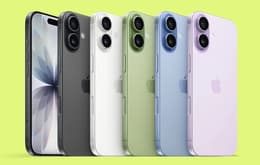
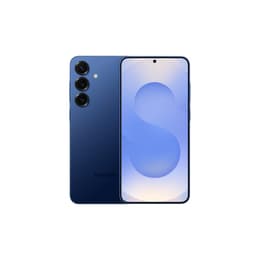
The Samsung Galaxy S25+ (2025) and the Apple iPhone 17 (2025) represent current flagship-tier offerings from two major smartphone manufacturers. While both devices deliver high-end mobile experiences, they cater to distinct software ecosystems and feature varying design philosophies. The Galaxy S25+ runs on Android with Samsung's custom interface, whereas the iPhone 17 operates on Apple's iOS platform. These differences extend to display sizes, physical footprints, and daily multitasking capabilities, offering consumers distinct paths depending on their preferred mobile environment.
Available Models
Colour
Storage
Scores
Durability
Both manufacturers provide robust software support lifecycles, ensuring that both smartphones remain secure and up to date for years following their release.
- Software Support Duration: The Galaxy S25+ features a multi-year update commitment spanning seven years of major operating system and security patches, while the iPhone 17 follows Apple's long-standing model of extended, regular system updates typically lasting five to six years.
- Repairability and Build Longevity: Both devices incorporate durable glass and reinforced metal framing designed to withstand daily wear, alongside high-level water and dust resistance ratings that protect internal components from accidental exposure.
- Expected Lifespan: Thanks to powerful internal hardware and sustained software maintenance, both models are well-equipped to maintain responsive performance over a multi-year practical lifespan.
Release year
2025
2025
Operating system
Android
iOS
Foldable
No
No
Performance
Handling daily responsibilities, demanding applications, and heavy multitasking is smooth and efficient across both devices, though they manage memory and system resources differently.
- Multitasking and Memory: The Galaxy S25+ includes ample system memory to keep multiple background applications active simultaneously, whereas the iPhone 17 relies on optimized software integration to manage background tasks efficiently with its hardware configuration.
- Battery Behavior: The Galaxy S25+ incorporates a larger capacity battery designed to span a full day of mixed use, while the iPhone 17 achieves comparable daily endurance through power-efficient system processing and optimized battery management.
- Storage Configurations: Both devices are available with generous baseline storage tiers that accommodate large photo libraries, applications, and media files without requiring expandable storage options.
Screen quality
Visual immersion is a primary focus for both models, though they differ slightly in panel dimensions, maximum brightness output, and overall viewing proportions.
- Display Technology: Both devices utilize advanced OLED panel technology with high refresh rates, ensuring smooth scrolling through web pages, fluid animation transitions, and deep contrast levels.
- Outdoor Visibility: High peak brightness capabilities on both screens allow content to remain clearly legible even when used directly under bright sunlight.
- Viewing Area: The Galaxy S25+ provides a slightly larger physical screen real estate suited for media consumption and productivity, while the iPhone 17 offers a more compact footprint that balances screen space with single-handed reachability.
Audiovisual
Photography and video recording suites on both smartphones deliver sharp, detailed results across varied lighting conditions without requiring manual adjustments.
- Lens Configurations: The Galaxy S25+ features a versatile triple-lens rear camera array including a dedicated telephoto lens for optical zoom, whereas the iPhone 17 utilizes a dual-lens primary and ultra-wide system paired with high-resolution sensors.
- Video and Audio Capture: Both models support stable high-definition video recording alongside clear multi-microphone audio capture suitable for calls, video conferencing, and content creation.
- Media Consumption: Stereo speaker setups on both devices deliver balanced sound output with clear vocal separation for music playback and video streaming.
Miscellaneous
Physical handling, connectivity standards, and biometric security features define the everyday ergonomic experience of each smartphone.
- Connectivity and Ports: Both devices support rapid wireless standards and fifth-generation cellular networks, utilizing reversible USB Type-C ports for charging and data synchronization.
- Biometric Security: The Galaxy S25+ relies on an in-display fingerprint sensor and facial recognition, while the iPhone 17 uses advanced face-mapping technology for secure unlocking and authentication.
- Dimensions and Handling: The Galaxy S25+ offers a taller, slightly wider chassis, whereas the iPhone 17 presents a marginally narrower profile that sits comfortably in smaller hands.
Weight
190 oz
177 oz
Screen size (in)
6.7
6.3
Network
5G
5G
SIM card
Physical SIM + eSIM
Physical SIM + eSIM
Carrier compatibility
Unlocked
Unlocked
What the community thinks
User discussions and community feedback indicate that both the Samsung Galaxy S25+ and the Apple iPhone 17 fulfill expectations for high-end reliability, screen clarity, and system speed. Common praise for the Galaxy S25+ centers on its expansive display area, generous memory capacity, and flexible multi-lens camera setup. Conversely, users frequently highlight the iPhone 17 for its streamlined software ecosystem, robust build quality, and efficient power management. Criticisms for both models generally point toward the lack of expandable storage and the high initial resource cost of purchasing brand-new hardware.
Users who prefer the Android operating system, customized interface options, and a dedicated zoom lens will find the Galaxy S25+ well-suited to their daily routines. Meanwhile, users embedded within the Apple ecosystem who prioritize simple integration across devices and long-term software consistency may lean toward the iPhone 17. For consumers seeking a sustainable choice, opting for a quality-assured refurbished option provides an eco-friendly alternative that delivers identical core functionality while reducing electronic waste.