Compare models
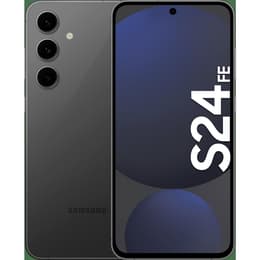
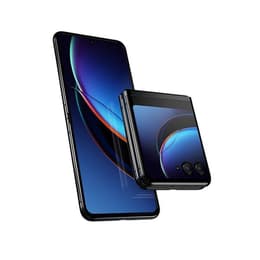
Galaxy S24 FE vs Motorola Razr 40 Ultra
- 1-year warranty
- Free standard shipping
- Free 30-day returns
Differences at a glance
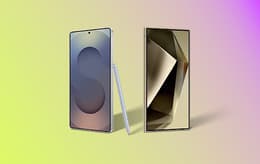
The Samsung Galaxy S24 FE (2024) and the Motorola Razr 40 Ultra (2023) represent two distinct approaches to modern smartphone design, contrasting a traditional candy-bar form factor with a folding clamshell layout. While the Galaxy S24 FE focuses on delivering a reliable everyday flagship experience with a sturdy build and integrated software features, the Motorola Razr 40 Ultra prioritizes portability through its folding display and expansive outer screen. Both devices run on the Android operating system, though each manufacturer applies a distinct interface layer with specific customization options and app ecosystems.
Available Models
Colour
Storage
Scores
Durability
When evaluating long-term usability, both devices offer robust support structures, though their release years and update commitments differ slightly in practice.
- Software longevity and updates: The Galaxy S24 FE benefits from a multi-year commitment to operating system updates and security patches, extending its functional lifespan well into the future. The Motorola Razr 40 Ultra receives standard industry updates, though its shorter remaining window for major operating system upgrades reflects its earlier launch date.
- Hardware resilience and repairability: Traditional bar phones like the Galaxy S24 FE generally offer greater structural resistance to drops and standard wear over time. Folding devices require careful handling around the hinge mechanism, making a quality-assured refurbished option from Back Market an appealing choice for buyers seeking certified durability inspection.
- Expected practical lifespan: Users can expect several years of smooth daily performance from both models, provided the folding screen of the Motorola device is handled with standard care guidelines for flexible displays.
Release year
2024
2023
Operating system
Android
Android
Foldable
No
Yes
Performance
Handling everyday tasks, multitasking, and media consumption involves different hardware profiles across these two unique device formats.
- Multitasking and app responsiveness: Both devices handle heavy applications, split-screen workflows, and casual gaming smoothly without noticeable stutter or lag. Ample memory capacity ensures that background apps remain active when switching between tasks rapidly.
- Storage and battery behavior: Storage configurations vary by regional model, with both phones offering enough space for standard media libraries and applications. Battery endurance differs due to form factor constraints, with the traditional bar phone maintaining consistent power delivery through a full day of mixed use, while the folding device requires more careful power management during intensive external display usage.
- System efficiency: Thermal management keeps both units comfortable during extended use, though the traditional housing of the Galaxy model disperses heat slightly more evenly during prolonged gaming sessions.
Screen quality
Display technology defines the primary visual interaction for both devices, showcasing contrasting engineering philosophies.
- Display type and versatility: The Galaxy S24 FE features a flat, traditional panel with vibrant colors, deep contrast levels, and consistent brightness suited for varied lighting conditions. The Motorola Razr 40 Ultra centers its appeal on a flexible inner folding screen paired with a large, functional outer cover display that allows for app usage without opening the phone.
- Outdoor visibility and smoothness: High maximum brightness settings on both displays ensure legibility under direct sunlight. Smooth refresh rates contribute to fluid scrolling across web pages, menus, and supported applications on both screens.
- Viewing experience: While the traditional panel offers an uninterrupted viewing area free of creases, the folding display provides a tablet-like viewing format in a pocketable footprint.
Resolution
1080x2340
1080 x 2640
Audiovisual
Capturing daily moments and recording media relies on multi-lens setups tailored to different ergonomic styles.
- Camera system capabilities: The Galaxy S24 FE utilizes a versatile multi-lens array including a main sensor, ultra-wide option, and a dedicated telephoto lens for optical zoom. The Motorola Razr 40 Ultra relies on a dual-camera system that benefits from the folding design, allowing users to prop the phone up on surfaces for tripod-free photography.
- Low-light and video performance: Both devices capture clear images in challenging lighting environments through software processing support. Video recording remains stable and detailed, with reliable microphone clarity for voice notes, calls, and video conferencing.
- Media consumption sound output: Stereo speakers on both models deliver clear audio for casual video playback and hands-free calling, though neither replaces dedicated external speakers for deep bass reproduction.
Miscellaneous
Practical daily usability is shaped by physical dimensions, connectivity standards, and build materials.
- Connectivity and ports: Both smartphones support modern 5G networks, fast Wi-Fi standards, and Bluetooth pairing for accessories. Physical charging relies on standard USB-C ports located at the base of each device.
- Security and sensors: Fast biometric authentication is available through facial recognition and fingerprint scanners, positioned either under the display or integrated into the side power button depending on the model.
- Dimensions and handling: The Galaxy S24 FE offers a familiar, weighted feel typical of standard smartphones, while the Motorola Razr 40 Ultra folds compactly to occupy minimal pocket space, supported by sustainable choices in manufacturing and certified refurbishment programs.
Weight
213 oz
192 oz
Screen size (in)
6.7
6,9
Network
5G
5G
SIM card
Physical SIM + eSIM
Physical SIM
Carrier compatibility
Unlocked
Unlocked
What the community thinks
User discussions across community forums highlight distinct preferences when comparing these two form factors. Owners of the Galaxy S24 FE frequently praise its dependable battery life, sturdy everyday reliability, and the inclusion of a dedicated telephoto zoom lens. Common observations note that its physical footprint is standard for modern large-screen phones. Conversely, users of the Motorola Razr 40 Ultra often emphasize the convenience of the large outer cover screen, which allows for quick messaging and notifications without unfolding the device. Frequent discussions surrounding folding phones mention the visible screen crease and the need for mindful handling of the flexible display panel over extended periods of time.
Users prioritizing traditional durability, consistent battery endurance, and long-term software support will find the Galaxy S24 FE well-suited to their daily routines. Meanwhile, users who value compact pocketability, innovative folding utility, and unique form factors may lean toward the Motorola Razr 40 Ultra. Evaluating these practical differences ensures that the chosen device aligns naturally with personal workflow preferences and daily usage habits.