
Compare models
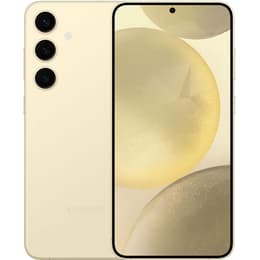
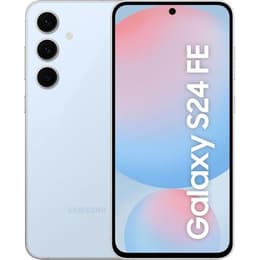
Galaxy S24 vs Galaxy S24 FE
- 1-year warranty
- Free standard shipping
- Free 30-day returns
Differences at a glance
The Samsung Galaxy S24 (2024) and the Samsung Galaxy S24 FE (2024) represent two distinct approaches to high-end mobile technology within the same product generation. While both devices run on the Android operating system with Samsung's custom interface, they target different user priorities through physical dimensions, materials, and internal component balancing. This comparison explores their practical differences to help you decide which model matches your daily requirements.
Available Models
Colour
Storage (GB)
Scores
Durability
When examining longevity, both smartphones benefit from Samsung's extended software support framework, though physical design and release timelines introduce subtle practical variations.
- Software update commitment: Both devices receive multi-year operating system and security upgrades, ensuring they stay current with modern software requirements for a similarly extended timeframe.
- Build materials and physical resilience: The standard model utilizes advanced armor aluminum and reinforced glass panels, whereas the alternative model incorporates a slightly different combination of protective glass and frame materials designed to withstand daily wear.
- Expected practical lifespan: Battery longevity and component durability remain robust across both options, making either a long-lasting choice, especially when selecting a quality-assured refurbished option that extends product lifecycles sustainably.
Release year
2024
2024
Operating system
Android
Android
Foldable
No
No
Performance
Daily operation and speed capabilities differ slightly based on internal component configurations and thermal management design across both handsets.
- Multitasking and app switching: Both devices manage everyday applications, media streaming, and simultaneous tasks smoothly, though the processing configuration in the standard model offers extra headroom for demanding software workloads.
- Storage capacity choices: Users can select from various internal storage tiers depending on local availability, though neither device supports expandable storage via memory cards.
- Battery behavior during heavy use: The standard model features a slightly more compact power cell within a smaller frame, while the alternative model houses a larger physical battery capacity that compensates for its broader display surface area.
Screen quality
Display characteristics vary primarily in physical dimensions, bezel proportions, and peak brightness capabilities for outdoor visibility.
- Panel technology and visuals: Both devices utilize vibrant display technology with deep contrast levels and rich color reproduction, ensuring sharp text and clear media viewing.
- Physical dimensions and handling: The standard model provides a more compact viewing area that easily fits into smaller pockets, whereas the alternative model offers a larger screen workspace for productivity and entertainment.
- Outdoor visibility and refresh rate: Both screens support fluid motion handling with adaptive refresh rates, while maintaining high maximum brightness thresholds for comfortable viewing under direct sunlight.
Resolution
1080x2340
1080x2340
Audiovisual
Photography and media recording hardware offer versatile capabilities across various lighting conditions, with minor differences in optical zoom architecture.
- Lens configuration and zoom: The standard model includes a dedicated telephoto sensor with optical magnification capabilities, while the alternative model features a modified telephoto setup or alternative resolution scaling for distant subjects.
- Low-light and everyday capture: Main image sensors on both phones process low-light scenes effectively, reducing visual noise and preserving detail without requiring manual adjustments.
- Video and audio recording: Both devices support stable high-resolution video capture modes paired with clear microphone arrays that isolate voice input during calls or video recordings.
Miscellaneous
Practical daily features, connectivity standards, and physical dimensions shape the handling experience of each smartphone.
- Connectivity and ports: Both models support modern fifth-generation cellular networks, rapid wireless standards, and standard reversible charging ports without traditional headphone jacks.
- Biometric security sensors: Secure unlocking is handled via responsive under-display fingerprint sensors and facial recognition technology on both devices.
- Dimensions and weight distribution: The standard model is lighter and more compact, making it well-suited for single-handed navigation, while the alternative model is slightly heavier and larger to accommodate its expanded display.
Weight
167 oz
213 oz
Screen size (in)
6.2
6.7
Network
5G
5G
SIM card
Physical SIM + eSIM
Physical SIM + eSIM
Carrier compatibility
Unlocked
Unlocked
What the community thinks
Community discussions and user feedback indicate that the standard Galaxy S24 receives praise for its compact form factor, premium in-hand feel, and dedicated optical zoom capabilities. Conversely, the Galaxy S24 FE earns appreciation for offering a larger screen workspace and robust battery endurance in a balanced package. Some users note that the larger model feels slightly heavier during extended one-handed use, while others mention that the standard model's smaller battery requires mindful power management during heavy travel days.
Users prioritizing a compact, easily pocketable device with advanced optical zoom will find the standard Galaxy S24 well-suited to their daily routine. Meanwhile, users prioritizing a larger screen viewing area and extended media consumption space may lean toward the Galaxy S24 FE. For those looking to make an eco-friendly choice, selecting a quality-assured refurbished model from Back Market provides a reliable, sustainable path to owning either device.