
iPhone
Compare models
Differences at a glance
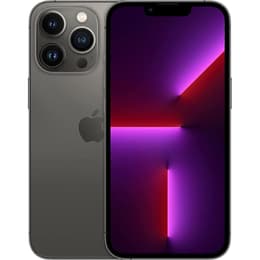
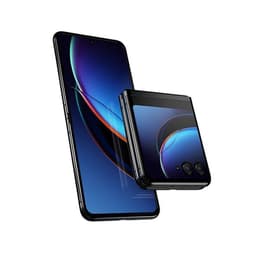
The iPhone 13 Pro (2021) and the Motorola Razr 40 Ultra (2023) represent distinct approaches to smartphone design and functionality. While the iPhone 13 Pro offers a traditional, high-performance slab experience running on iOS, the Razr 40 Ultra introduces a foldable clamshell design with a large external display, powered by Android. These devices cater to different user preferences, primarily differing in their form factor and operating system ecosystems.
Colour
Storage
The expected practical lifespan of a smartphone is influenced by its release timeline, software support, and physical durability.
Release year
Compatible with latest Update
Operating system
Foldable
Performance in both devices is driven by their respective processors, influencing app responsiveness, multitasking, and gaming capabilities.
The display experience differs significantly between these two devices, primarily due to the Razr 40 Ultra's foldable design and dual-screen setup.
Resolution
Screen type
Both devices offer capable camera systems, though their configurations and user experiences present different strengths.
Main camera
Front camera
Beyond core features, several practical elements differentiate the user experience of these two smartphones.
Weight
Screen size (in)
Network
SIM card
Carrier compatibility
The iPhone 13 Pro and Motorola Razr 40 Ultra cater to distinct user preferences, each offering a compelling set of features. Users frequently praise the iPhone 13 Pro for its exceptional battery life, smooth 120Hz display, and robust overall performance, which continues to hold up well years after its release. Its camera system is generally well-regarded for detail and vibrant colors, though some users have noted occasional over-saturation or lens flare.
The Motorola Razr 40 Ultra is often lauded for its innovative foldable design and the highly functional, large external display, which allows for significant interaction without opening the phone. Its compact folded form factor is a significant draw for those prioritizing portability. While its performance is considered smooth for daily tasks and gaming, some users have expressed concerns about its camera quality compared to traditional flagship phones, potential screen durability in the crease, and the pace of software updates.
Users prioritizing a traditional, highly refined smartphone experience with long-term software support and a consistently strong camera system may find the iPhone 13 Pro well-suited to their needs. Conversely, users who value a unique, compact form factor, a large and interactive external display, and a fresh Android experience might lean towards the Motorola Razr 40 Ultra. Both devices offer a quality-assured refurbished option, providing an eco-friendly alternative for consumers seeking to make informed and sustainable choices.