iPhone
Compare models
Differences at a glance
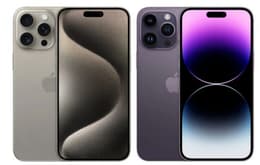
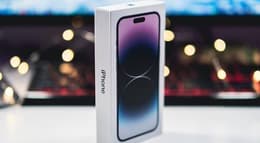
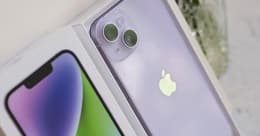
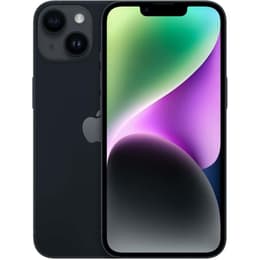
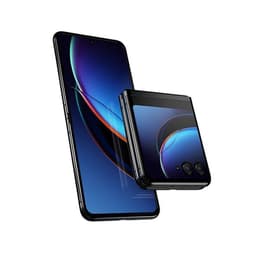
The iPhone 14, released in September 2022, is a traditional slab-style smartphone from Apple. In contrast, the Motorola Razr 40 Ultra, launched in June 2023, is a foldable flip phone. The primary differentiators between these two devices lie in their distinct form factors, display technologies, and operating system experiences. The iPhone 14 operates on Apple's iOS, known for its integrated ecosystem, while the Motorola Razr 40 Ultra runs on Android, offering a different approach to user interface and customization.
Colour
Storage
The iPhone 14, released in September 2022, typically receives software updates for approximately five to seven years from its launch, offering a long period of software longevity. The Motorola Razr 40 Ultra, launched in June 2023, generally receives three major Android OS updates and four years of security updates, providing a substantial support window.
Release year
Compatible with latest Update
Operating system
Foldable
Both devices offer robust performance for daily tasks and demanding applications, though their underlying hardware approaches differ. The iPhone 14 provides a smooth and consistent experience across its operating system and applications, handling multitasking and graphically intensive games with ease. The Motorola Razr 40 Ultra also delivers high-level performance, ensuring quick app launches and fluid navigation, even with its dual-screen functionality.
The display experience is a significant differentiator between these two smartphones, primarily due to the Motorola Razr 40 Ultra's foldable design and secondary external screen. The iPhone 14 features a single, flat display, while the Razr 40 Ultra offers a large internal foldable screen complemented by a functional external display.
Resolution
Screen type
Both smartphones are capable of capturing high-quality photos and videos, and provide a good multimedia consumption experience, though with different strengths in their camera systems and audio output.
Main camera
Front camera
Beyond their core features, both the iPhone 14 and Motorola Razr 40 Ultra offer distinct practical elements that influence daily usability and interaction. These include their physical design, connectivity options, and biometric security methods.
Weight
Screen size (in)
Network
SIM card
Carrier compatibility
Users frequently praise the iPhone 14 for its consistent performance, reliable camera system, and long-term software support, often highlighting its ease of use and integration within the Apple ecosystem. Some common criticisms include its 60Hz display refresh rate and the continued use of the Lightning port. The Motorola Razr 40 Ultra is often lauded for its innovative foldable design, large and vibrant external display, and the versatility it offers for photography and compact portability. Users sometimes note its battery life as a point of concern and the durability considerations inherent to a foldable screen.
Users prioritizing a traditional, highly reliable smartphone experience with extended software longevity and a robust camera system will find the iPhone 14 well-suited to their needs. Those who value an innovative, compact form factor, a high refresh rate display, and the flexibility of a large external screen, along with the customization options of Android, may lean toward the Motorola Razr 40 Ultra. Both devices represent quality options, and considering a quality-assured refurbished option for either can be an eco-friendly alternative for making an informed choice.