
Samsung
Compare models
Differences at a glance
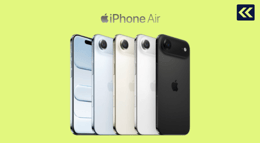
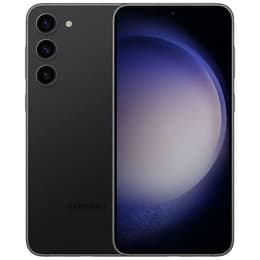
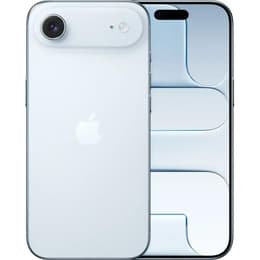
The Samsung Galaxy S23+ (2023) and the Apple iPhone Air (2025) represent two distinct approaches to large-screen smartphone design. While the Galaxy S23+ relies on a traditional, feature-rich flagship template running Android, the iPhone Air prioritizes an ultra-slim form factor powered by iOS. Choosing between these devices involves weighing structural profile against versatile hardware capabilities.
Colour
Storage (GB)
Both devices offer distinct software support timelines and repairability considerations that impact their long-term viability. Choosing a quality-assured refurbished option provides a sustainable way to access these ecosystems while extending device lifecycles.
Release year
Compatible with latest Update
Operating system
Foldable
Daily responsiveness and multitasking handle demanding applications smoothly on both platforms, though hardware configurations differ significantly.
Viewing media and navigating interfaces involves bright, high-resolution panels designed for outdoor clarity and fluid motion.
Resolution
Screen type
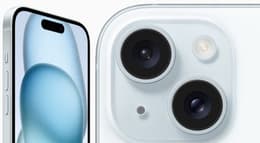
Capture capabilities diverge between a multi-lens setup and a streamlined single-sensor configuration focused on core photography.
Main camera
Front camera
Physical dimensions and connectivity options shape how each device fits into everyday travel and professional routines.
Weight
Screen size (in)
Network
SIM card
Carrier compatibility
User discussions across tech communities frequently highlight the Galaxy S23+ for its dependable multi-lens camera setup, reliable battery longevity, and traditional flagship ergonomics. On the other hand, the iPhone Air receives consistent praise for its groundbreaking ultra-thin profile, featherlight feel in the hand, and smooth display technology. Common criticisms for the Samsung model focus on its older release year, while users evaluating the Apple device often note the limitations of its single-lens camera system and smaller internal battery capacity.
Users prioritizing physical slenderness and lightweight portability will find the iPhone Air well-suited to their needs, while users prioritizing camera versatility and traditional battery endurance may lean toward the Galaxy S23+. Opting for a quality-assured refurbished option serves as an eco-friendly alternative for acquiring either model without compromising on performance standards.