Compare models
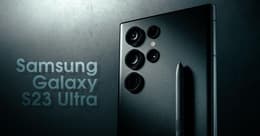
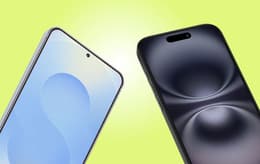
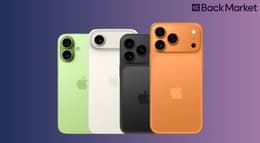
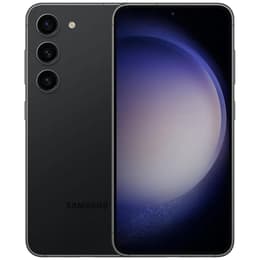
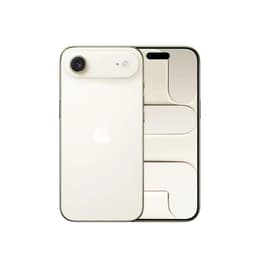
Galaxy S23 vs iPhone Air
- 1-year warranty
- Free standard shipping
- Free 30-day returns
Differences at a glance
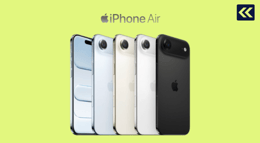
The Samsung Galaxy S23 (2023) and the Apple iPhone Air (2025) represent two distinct approaches to modern smartphone design, contrasting a compact, pocket-friendly Android flagship with an ultra-slim, lightweight iOS device. While the Galaxy S23 focuses on a traditional, ergonomic form factor with versatile hardware, the iPhone Air prioritizes a breakthrough featherlight profile without sacrificing core capability. Running on different operating systems, these smartphones cater to distinct user preferences while offering modern connectivity and refined everyday functionality.
Available Models
Colour
Storage
Scores
Durability
When evaluating hardware longevity and software support, both devices offer robust lifespans backed by high-tier build materials, though their release timelines and update cycles differ.
- Software support: The Galaxy S23 provides multi-year operating system upgrades typical of Android flagships, while the newer iPhone Air benefits from an extended Apple support lifecycle starting from its 2025 debut.
- Build durability: Both models utilize rigid frames—Armor Aluminum on the Samsung and polished titanium on the Apple—paired with advanced scratch-resistant glass and high-level water resistance ratings for everyday protection.
- Practical lifespan: Users can expect dependable day-to-day operation over several years from both units, making a quality-assured refurbished option an eco-friendly choice for extending device lifecycles.
Release year
2023
2025
Compatible with latest Update
Yes
Yes
Operating system
Android
iOS
Foldable
No
No
Performance
Performance capabilities differ primarily in form-factor constraints and multitasking capacity, though both handle demanding applications smoothly.
- System responsiveness: Both devices manage intensive daily tasks, app switching, and gaming effortlessly, relying on responsive current-generation processing architecture.
- Memory and multitasking: The iPhone Air offers expanded baseline memory configurations, whereas the Galaxy S23 relies on efficient system optimization to handle background processes within a compact footprint.
- Battery behavior: The Galaxy S23's smaller physical capacity handles a full standard day of moderate use, while the ultra-thin profile of the iPhone Air necessitates careful power management during intensive tasks.
Screen quality
Display characteristics vary significantly in physical dimensions and peak brightness capabilities while maintaining fluid motion.
- Display technology: Both models feature vibrant OLED panels with deep contrast levels, sharp resolutions, and adaptive refresh rates reaching up to 120Hz for smooth scrolling.
- Screen size: The Galaxy S23 opts for a compact 6.1-inch panel designed for easy one-handed operation, whereas the iPhone Air provides a larger 6.5-inch viewing area for enhanced media consumption.
- Outdoor visibility: Both screens maintain clear legibility under direct sunlight, with the Apple panel reaching exceptionally high peak outdoor brightness levels.
Resolution
1080 x 2340
2736x1260
Screen type
Dynamic AMOLED 2X
Super Retina XDR
Audiovisual
Camera configurations reflect different design philosophies, balancing multi-lens versatility against a streamlined single-lens approach.
- Camera systems: The Galaxy S23 features a flexible triple-lens array including a main, ultra-wide, and telephoto zoom lens, while the iPhone Air utilizes a high-resolution single main lens supported by advanced computational photography.
- Media recording: Both devices capture detailed, stabilized video and sharp everyday photography, performing reliably across varied lighting conditions.
- Audio and calls: Integrated microphone and speaker setups deliver clear voice transmission for calls and balanced media playback, though stereo configurations vary by model layout.
Main camera
50 megapixels
48 megapixels
Front camera
12 megapixels
18 megapixels
Miscellaneous
Practical everyday features highlight differences in physical dimensions, ports, and connectivity standards between the two ecosystems.
- Dimensions and weight: The Galaxy S23 measures a traditional compact size weighing 168 grams, contrasting with the remarkably thin 5.6-millimeter profile and 165-gram weight of the iPhone Air.
- Ports and charging: The Samsung relies on a standard USB-C port, whereas the iPhone Air pairs USB-C connectivity with extensive eSIM support and wireless charging compatibility.
- Security and biometrics: Biometric authentication is handled via fast facial recognition on the Apple device and an under-display fingerprint sensor on the Samsung.
Weight
167 oz
165 oz
Screen size (in)
6.1
6.5
Network
5G
5G
SIM card
Dual Physical SIM + eSIM
eSIM
Carrier compatibility
Unlocked
Unlocked
What the community thinks
User discussions across community forums frequently praise the Galaxy S23 for its comfortable one-handed ergonomics, complete multi-lens camera versatility, and reliable pocket-friendly design. At the same time, users often note that its battery capacity requires mindful recharging during heavy usage days. Conversely, community feedback highlights the iPhone Air for its striking ultra-thin profile, expansive display, and lightweight feel in the hand, though some users mention the absence of physical SIM trays or auxiliary camera lenses as notable trade-offs.
Users prioritizing a compact footprint, traditional multi-lens photography, and Android software may prefer the Galaxy S23, while users prioritizing an exceptionally lightweight build, large display, and the iOS ecosystem will lean toward the iPhone Air. Choosing a quality-assured refurbished option provides a sustainable way to access either of these capable devices while supporting eco-friendly technology habits.