
Compare models
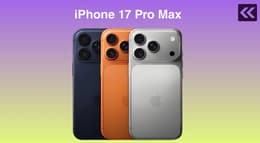
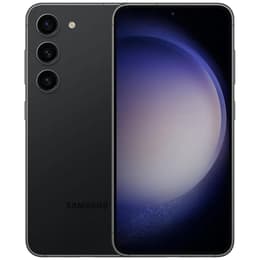
Galaxy S23 vs iPhone 17 Pro
- 1-year warranty
- Free standard shipping
- Free 30-day returns
Differences at a glance
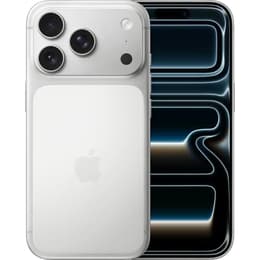
The Samsung Galaxy S23 (2023) and the iPhone 17 Pro (2025) are high-end smartphones from different generations operating on Android and iOS respectively. While both devices serve users seeking compact flagship performance, they differ significantly in their release timelines, hardware capabilities, and software ecosystems. Choosing between them depends on your preference for operating systems and hardware maturity.
Available Models
Colour
Storage
Scores
Durability
The Galaxy S23 and iPhone 17 Pro represent different stages in product lifecycles, influencing long-term software support and hardware durability.
- Release timeline and support: The Galaxy S23 debuted in early 2023, whereas the iPhone 17 Pro launched in late 2025, meaning the Apple device benefits from an extended software support window.
- Build and protection: Both smartphones utilize robust armor aluminum frames and hardened glass fronts, though the iPhone 17 Pro incorporates a newer generation of scratch-resistant ceramic shielding.
- Repairability: Both manufacturers provide structured repair frameworks, allowing authorized service centers to replace batteries and screens efficiently to extend the usable lifespan of each device.
Release year
2023
2025
Compatible with latest Update
Yes
Yes
Operating system
Android
iOS
Foldable
No
No
Performance
Both models deliver smooth day-to-day operation, though the iPhone 17 Pro leverages newer silicon architecture for heavier multi-tasking demands.
- Multitasking and memory: The iPhone 17 Pro features higher RAM capacity paired with streamlined resource management, whereas the Galaxy S23 handles everyday applications and background tasks reliably with its balanced configuration.
- Battery behavior: The Galaxy S23 relies on a smaller physical cell that suits moderate daily routines, while the iPhone 17 Pro houses a larger capacity battery designed to sustain prolonged screen-on time for intensive workflows.
- Storage configurations: The Galaxy S23 starts at more compact entry-level capacities, whereas the iPhone 17 Pro begins with larger base storage tiers suited for extensive local media libraries.
Screen quality
Display engineering differs slightly between the two manufacturers, prioritizing distinct calibration profiles and peak brightness thresholds.
- Panel technology: Both devices employ advanced organic light-emitting diode displays with high refresh rates that ensure smooth scrolling and deep contrast levels.
- Outdoor visibility: The iPhone 17 Pro reaches higher peak luminance levels under direct sunlight, while the Galaxy S23 utilizes adaptive tone technology to maintain clear legibility across varying ambient lighting conditions.
- Form factor: The Galaxy S23 offers a slightly more compact footprint for single-handed usage, whereas the iPhone 17 Pro provides a marginally broader viewing canvas.
Audiovisual
Imaging hardware and media output capabilities cater to different styles of photography and content creation.
- Lens configurations: The iPhone 17 Pro features a versatile triple-lens array featuring high-resolution sensors across main, ultra-wide, and telephoto modules, while the Galaxy S23 utilizes a triple-lens setup emphasizing balanced optical zoom and stabilization.
- Low-light processing: Both devices apply computational photography algorithms to reduce grain in dim environments, preserving natural tones during evening captures.
- Audio and video: The iPhone 17 Pro excels in professional-grade video codecs and spatial audio recording, whereas the Galaxy S23 offers crisp stereo speaker output and high-resolution video capture modes.
Front camera
12 megapixels
18 megapixels
Miscellaneous
External connections and physical design elements shape the practical handling of each smartphone.
- Connectivity standards: The iPhone 17 Pro supports the latest Wi-Fi standards and satellite communication features, while the Galaxy S23 provides reliable multi-band 5G and Bluetooth connectivity.
- Port interface: Both models utilize standard reversible charging ports, moving away from legacy connectors for universal cable compatibility.
- Biometrics: The Galaxy S23 offers an under-display fingerprint reader alongside facial recognition, whereas the iPhone 17 Pro relies exclusively on secure 3D facial mapping sensors.
Weight
167 oz
206 oz
Screen size (in)
6.1
6.3
Network
5G
5G
SIM card
Dual Physical SIM + eSIM
Physical SIM + eSIM
Carrier compatibility
Unlocked
Unlocked
What the community thinks
Users prioritizing a lightweight, compact Android device with reliable daily performance often lean toward the Galaxy S23. Conversely, users seeking extended software longevity, larger base storage, and advanced media production capabilities tend to favor the iPhone 17 Pro. Both handsets represent mature engineering standards within their respective ecosystems.
For buyers interested in sustainable technology acquisition, choosing a quality-assured refurbished option provides an eco-friendly alternative that reduces electronic waste without compromising on functional capability. Evaluating your preferred operating system and everyday workflow requirements remains the most effective way to determine which device fits your routine.