Compare models
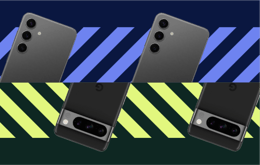
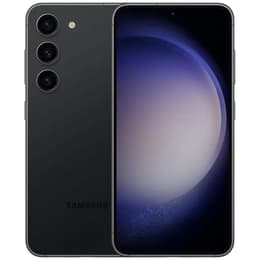
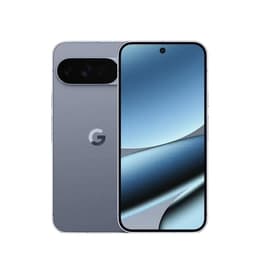
Galaxy S23 vs Google Pixel 10 Pro XL
- 1-year warranty
- Free standard shipping
- Free 30-day returns
Differences at a glance
The Samsung Galaxy S23 (2023) and the Google Pixel 10 Pro XL (2025) represent different generations and philosophies within the premium smartphone landscape. While the Galaxy S23 focuses on a compact, pocket-friendly design with balanced capabilities, the Google Pixel 10 Pro XL delivers a larger screen experience driven by advanced processing and sophisticated automated software tools. Both devices run on the Android operating system, yet they offer distinct user interfaces and update paths tailored to different everyday preferences.
Available Models
Colour
Storage
Scores
Durability
When examining hardware longevity and ongoing software support, these two devices reflect their respective release timelines and manufacturer commitments to long-term usage.
- Software Support: The Google Pixel 10 Pro XL benefits from a significantly extended official update window, ensuring years of security and system upgrades, whereas the Galaxy S23 operates on a shorter remaining support schedule due to its earlier release year.
- Repairability: Both models feature sealed glass and metal construction that require professional tools for internal component replacement, though standardized replacement parts are increasingly accessible through quality-assured refurbished options that extend the operational lifecycle of each handset.
- Expected Lifespan: Both smartphones maintain robust build qualities designed to handle daily wear, but the extended software lifecycle of the newer model gives it a distinct advantage for long-term ownership.
Release year
2023
2025
Operating system
Android
Android
Foldable
No
No
Performance
Performance capabilities dictate how smoothly each device handles everyday multitasking, demanding applications, and background tasks under normal operating conditions.
- App Loading and Multitasking: Both smartphones switch between demanding navigation, social media, and productivity apps without noticeable lag, though the Pixel 10 Pro XL utilizes a newer generation processor that manages heavy workloads with slightly greater thermal efficiency.
- Storage and Memory: Each model offers varied internal storage configurations paired with generous memory capacities to keep multiple background processes active simultaneously without forcing frequent app reloads.
- Battery Behavior: The Galaxy S23 features a more compact battery capacity that comfortably handles standard daily routines for moderate users, while the larger footprint of the Pixel 10 Pro XL accommodates a bigger battery suited for extended screen-on times throughout heavy usage days.
Screen quality
Display characteristics define the visual experience, outdoor readability, and overall media consumption comfort for each smartphone.
- Display Technology: Both devices employ vibrant OLED panels that deliver deep black levels and vivid color reproduction, making text sharp and media consumption immersive.
- Brightness and Outdoor Legibility: The Pixel 10 Pro XL achieves higher peak outdoor brightness levels for easier viewing under direct sunlight, while the Galaxy S23 provides more than adequate luminance for comfortable viewing in standard daylight conditions.
- Refresh Rate: Both handsets support adaptive refresh rates scaling up to high frequencies, ensuring smooth scrolling through web pages and fluid animations during system navigation.
Resolution
1080 x 2340
1344x2992
Audiovisual
Imaging hardware and integrated software processing shape the photographic and video capabilities available on each device.
- Camera Systems: Both models feature versatile multi-lens configurations including main, ultra-wide, and telephoto lenses, allowing users to capture detailed landscapes and distant subjects with clarity.
- Low-Light and Everyday Photography: The Pixel 10 Pro XL relies heavily on advanced computational photography to balance challenging lighting conditions automatically, while the Galaxy S23 offers natural color tuning and sharp detail reproduction across various lighting scenarios.
- Video and Audio: Both devices record stable, high-resolution video footage accompanied by clear multi-microphone audio capture, making them reliable tools for recording everyday moments or video calls.
Miscellaneous
Physical dimensions, connectivity standards, and daily handling practicalities determine how each smartphone fits into an active lifestyle.
- Size and Handling: The Galaxy S23 provides a lightweight, compact form factor that is easy to operate with one hand and fits comfortably into smaller pockets, whereas the Pixel 10 Pro XL offers a much larger screen real estate suited for users who prefer expansive viewing areas.
- Build Materials: Both smartphones utilize durable glass backs and sturdy metal frames designed to withstand standard everyday handling, complemented by high-level water and dust resistance ratings.
- Connectivity: Both models support modern 5G networks, high-speed Wi-Fi standards, and Bluetooth pairing, ensuring reliable wireless connections for accessories and data transfer.
Weight
167 oz
232 oz
Screen size (in)
6.1
6.8
Network
5G
5G
SIM card
Physical SIM + eSIM
Physical SIM + eSIM
Carrier compatibility
Unlocked
Unlocked
What the community thinks
User discussions across community forums frequently highlight the Galaxy S23 for its comfortable, compact handling and reliable daily performance, though some users note that its smaller battery requires more frequent charging during heavy use periods. Conversely, the Google Pixel 10 Pro XL receives praise for its expansive display and advanced automated photo editing tools, though certain community members mention that its larger physical size can feel cumbersome for one-handed operation.
Users prioritizing a pocket-friendly device with straightforward handling will find the Galaxy S23 well-suited to their needs, while users prioritizing a larger viewing area and extended software update longevity may lean toward the Google Pixel 10 Pro XL. Choosing a quality-assured refurbished alternative provides a sustainable way to acquire either model while reducing electronic waste. Ultimately, the right choice depends entirely on individual preferences regarding physical size, software ecosystem preferences, and daily usage patterns.