
Compare models

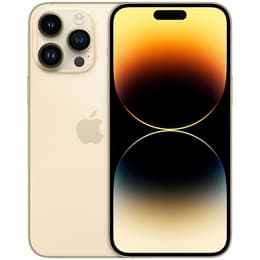
Google Pixel 10 Pro XL vs iPhone 14 Pro Max

  • 1-year warranty
  • Free standard shipping
  • Free 30-day returns
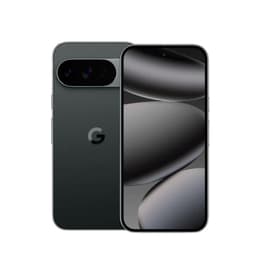
Google Pixel 10 Pro XL
Starting at

Refurbished price:A$899.00

Versus A$1,434.00 new

See options
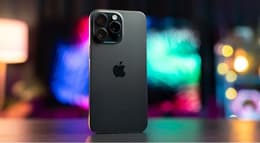
iPhone 14 Pro Max
Starting at

Refurbished price:A$736.00

Versus A$1,899.00 new

See options

Differences at a glance

The Google Pixel 10 Pro XL (2025) and the Apple iPhone 14 Pro Max (2022) represent high-end large-screen smartphones from different generations and software ecosystems. While both handsets cater to users seeking expansive displays and advanced capabilities, they run on entirely different operating systems and feature distinct hardware iterations. Choosing between them involves evaluating software preference, hardware age, and daily usability features.

Available Models

Colour

Storage (GB)

Scores

Durability

Software support timelines and device age differ significantly between these two models, impacting long-term usability.

  • Release timeline and support: The Google Pixel 10 Pro XL benefits from a more recent launch year and extended software update commitments, whereas the iPhone 14 Pro Max has an earlier release date and fewer remaining years of major system updates.
  • Repairability and durability: Both devices feature robust weather resistance ratings and durable display glass, though component availability for repairs favors the newer Google model in the long run.
  • Expected lifespan: Users can anticipate a longer window of active security updates and feature drops from the Pixel device due to its generation gap.

Release year

2025

2022

Operating system

Android

iOS

Foldable

No

No

Performance

Daily speed and multitasking handling differ based on the internal hardware and memory configurations of each device.

  • Multitasking capacity: The Google Pixel 10 Pro XL includes a larger memory allocation that assists in keeping multiple demanding applications active simultaneously without frequent reloads.
  • System responsiveness: Both handsets handle everyday tasks, web browsing, and high-end mobile gaming smoothly, though the newer processor architecture in the Pixel offers incremental gains in thermal efficiency and app loading speeds.
  • Storage configurations: Storage tiers start at higher baseline capacities on the Pixel model, while the iPhone offers various scalable tiers depending on the chosen configuration.

Screen quality

Display characteristics across both large-screen devices deliver sharp viewing experiences with high refresh rates.

  • Display technology: Both models utilize advanced organic light-emitting diode panels with adaptive refresh rates reaching up to 120 hertz for smooth scrolling and motion handling.
  • Outdoor visibility: The Google Pixel 10 Pro XL achieves higher peak brightness levels during direct sunlight exposure, while the iPhone 14 Pro Max maintains clear legibility through a high-contrast Super Retina panel.
  • Screen dimensions: The Pixel features a slightly larger diagonal screen size within comparable overall device dimensions, providing expansive viewing space for media consumption.

Resolution

1344x2992

1290 x 2796

Audiovisual

Optics and media playback capabilities cater to versatile everyday photography and content consumption.

  • Camera systems: Both devices employ versatile triple-lens rear arrays featuring main, ultra-wide, and telephoto capabilities for varied focal lengths.
  • Processing and low light: The Pixel relies heavily on computational photography algorithms for balanced lighting and shadow detail, while the iPhone focuses on natural tone mapping and rapid shutter response.
  • Audio and video: Built-in stereo speakers on both models deliver clear sound output for calls and media, accompanied by stable high-resolution video recording features.

Miscellaneous

Physical design traits and connectivity standards reflect the generational gap between the two releases.

  • Connectivity options: Both smartphones support current 5G networks, fast Wi-Fi standards, and Bluetooth, though the Pixel incorporates newer standard revisions for accessory pairing.
  • Physical ports: The Google Pixel 10 Pro XL utilizes a universal USB-C port for charging and data transfer, whereas the iPhone 14 Pro Max relies on Apple's proprietary Lightning connection.
  • Build and handling: Both devices feature premium glass and metal chassis designs, though differences in weight and corner curvature influence single-handed handling comfort. Choosing a quality-assured refurbished option provides a sustainable choice for acquiring either device without buying brand new.

Weight

232 oz

120 oz

Screen size (in)

6.8

6,7

Network

5G

5G

SIM card

Physical SIM + eSIM

Physical SIM + eSIM

Carrier compatibility

Unlocked

Unlocked

What the community thinks

User feedback highlights distinct preferences for each device depending on ecosystem loyalty and feature priorities. Owners of the Google Pixel 10 Pro XL frequently praise its high peak screen brightness, extended software update schedule, and versatile artificial intelligence integration. Conversely, users of the iPhone 14 Pro Max often commend its reliable build quality, smooth operating system integration, and consistent video recording performance. Common criticisms for the Pixel involve its substantial physical footprint, while iPhone users sometimes note the limitations of the older Lightning port.

Users prioritizing a universal USB-C connection, longer software support, and deep assistant integration will find the Google Pixel 10 Pro XL well-suited to their needs. Meanwhile, users invested in the iOS ecosystem who value established app optimization and structured media workflows may lean toward the iPhone 14 Pro Max. Evaluating these factors against personal daily habits helps determine the ideal match. Opting for a quality-assured refurbished option through platforms like Back Market allows consumers to make an eco-friendly choice when purchasing either smartphone.

Our recent comparisons