
Galaxy S23 vs iPhone 16

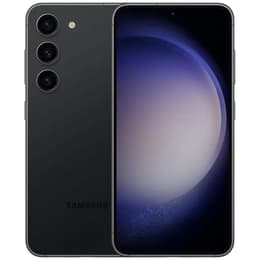
Galaxy S23
Galaxy S23
Starting at

Refurbished price:A$489.00

Versus A$1,349.00 new

See options
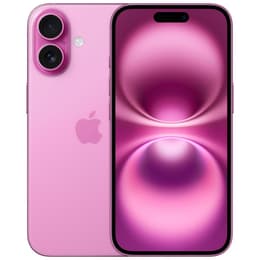
iPhone 16
iPhone 16
Starting at

Refurbished price:A$952.00

Versus A$1,399.00 new

See options

Ratings

The Samsung Galaxy S23, released in February 2023, and the Apple iPhone 16, launched in September 2024, represent different generations and operating systems within the smartphone market. While the Galaxy S23 operates on Android with Samsung's One UI, the iPhone 16 runs on Apple's iOS, featuring the integration of Apple Intelligence. Key differentiators between these two devices include their display refresh rates, camera configurations, and the distinct ecosystems they belong to.

Scores

Durability

When considering the practical lifespan of these devices, several factors come into play, including their release timelines, software support, and physical durability.

  • Release Timeline: The Galaxy S23 was released in February 2023, making it an earlier model compared to the iPhone 16, which launched in September 2024.
  • Software Longevity: Samsung typically provides 4 years of operating system updates and an additional year of security updates for the Galaxy S23, totaling 5 years of support. Apple generally offers longer software support for its iPhones, often extending to 5-7 years of major iOS updates, suggesting the iPhone 16 will receive updates for a longer duration.
  • Physical Durability: Both devices feature robust build quality. The Galaxy S23 is protected by Gorilla Glass Victus 2 on its display and has an IP68 rating for dust and water resistance. The iPhone 16 incorporates Ceramic Shield for display protection and also carries an IP68 rating for dust and water resistance, a standard for recent iPhone models.

Release year

2023

2024

Compatible with latest Update

Yes

Yes

Foldable

No

No

Performance

Performance is a critical aspect for daily smartphone use, influencing everything from app responsiveness to gaming experiences. Both devices offer capable hardware, but their underlying architectures differ.

  • Processor Capabilities: The Galaxy S23 is powered by a custom version of a current-generation processor, designed to handle demanding applications and multitasking efficiently. The iPhone 16 features a newer processor architecture, which is expected to deliver enhanced performance and efficiency, particularly with the integration of Apple Intelligence features.
  • Multitasking and Storage: The Galaxy S23 comes with 8GB of RAM and offers storage options up to 512GB, with faster UFS 4.0 storage available for configurations 256GB and above. The iPhone 16 also offers various storage capacities, including 128GB, 256GB, and 512GB, providing ample space for apps and media.
  • Battery Behavior: The Galaxy S23 is equipped with a 3900 mAh battery, supporting 25W wired and 15W wireless charging. The iPhone 16 has a 3561 mAh battery, which is an increase over its predecessor, and is designed to work efficiently with its operating system to provide extended usage times.

Memory (GB)

8 GB

8 GB

Screen quality

The display is the primary interface for smartphone interaction, and both the Galaxy S23 and iPhone 16 offer vibrant viewing experiences with some notable distinctions.

  • Display Technology and Clarity: The Galaxy S23 features a 6.1-inch Dynamic AMOLED 2X display, providing deep blacks, vibrant colors, and a resolution of 2340 x 1080 pixels, resulting in sharp images. The iPhone 16 also comes with a 6.1-inch OLED display, known for its excellent contrast and color accuracy.
  • Brightness and Refresh Rate: The Galaxy S23 boasts a peak brightness of 1750 nits, ensuring good visibility even in bright outdoor conditions, and an adaptive refresh rate that can go up to 120Hz for smooth scrolling and animations. The base iPhone 16, however, maintains a 60Hz refresh rate, which may feel less fluid to users accustomed to higher refresh rates.
  • Viewing Experience: Both displays offer a high-quality viewing experience for media consumption and daily tasks. The Galaxy S23's higher refresh rate provides a noticeable advantage in smoothness for activities like gaming and navigating user interfaces.

Resolution

1080 x 2340

1179 x 2556

Screen type

Dynamic AMOLED 2X

Super Retina XDR OLED

Audiovisual

Camera capabilities are a significant consideration for many users, and both devices offer advanced systems for capturing photos and videos.

  • Rear Camera System: The Galaxy S23 features a versatile triple-camera setup, including a 50MP wide lens with optical image stabilization (OIS), a 12MP ultrawide lens with a 120-degree field of view, and a 10MP telephoto lens offering 3x optical zoom with OIS. The iPhone 16 is equipped with a dual-camera system on the back, featuring a 48MP main sensor and a 12MP ultrawide lens, along with a 12MP telephoto camera.
  • Photography Performance: The Galaxy S23 is noted for its strong low-light performance and detailed images across its various lenses. The iPhone 16's updated camera system, including its 48MP main sensor, is designed to capture high-quality photos with improved detail and color accuracy, particularly benefiting from computational photography enhancements.
  • Video Recording and Front Camera: Both phones offer high-quality video recording capabilities. For selfies and video calls, the Galaxy S23 has a 12MP front camera, while the iPhone 16 also features a 12MP front camera.

Main camera

50 megapixels

48 megapixels

Front camera

12 megapixels

12 megapixels

Miscellaneous

Beyond the core specifications, several practical features and design elements contribute to the overall user experience of these smartphones.

  • Connectivity and Ports: The Galaxy S23 supports 5G, Wi-Fi 6E, and Bluetooth 5.3, utilizing a USB-C 3.2 port for charging and data transfer. The iPhone 16 also supports 5G and is expected to feature Wi-Fi 7 and Bluetooth 5.3, with a USB-C port for connectivity.
  • Biometrics and Special Features: The Galaxy S23 uses an ultrasonic in-screen fingerprint sensor for secure unlocking and authentication. The iPhone 16 relies on Face ID for biometric security and introduces new physical controls like the Action button and a dedicated Camera Control button for quick access to functions. The Galaxy S23 also offers Wireless PowerShare, allowing it to wirelessly charge other compatible devices.
  • Design and Handling: The Galaxy S23 measures 146.3 x 70.9 x 7.6 mm and weighs 168g, offering a compact and manageable form factor. While specific dimensions for the base iPhone 16 were not detailed, it generally maintains a similar compact design to previous models, aiming for comfortable one-handed use.

Weight

227 oz

170 oz

Screen size (in)

6.1

6.1

Network

5G

5G

SIM card

Physical SIM + eSIM

Physical SIM + eSIM

Carrier compatibility

Unlocked

Unlocked

Connector

USB-C

USB-C (USB 2)

Choosing between the Samsung Galaxy S23 and the iPhone 16 depends largely on individual preferences for operating systems, specific features, and usage priorities. Users often praise the Galaxy S23 for its vibrant 120Hz AMOLED display and the flexibility offered by the Android ecosystem, including features like Wireless PowerShare. Some users appreciate its dedicated telephoto lens for photography. Criticisms sometimes point to its battery life, though it has seen improvements over previous generations.

The iPhone 16, on the other hand, is frequently lauded for its seamless integration within the Apple ecosystem, its robust performance from the newer processor, and the consistent quality of its camera system. The introduction of Apple Intelligence and new physical buttons like the Action button are often highlighted as beneficial additions. A common point of discussion for the base iPhone models, however, is the continued use of a 60Hz display, which some users find less fluid compared to higher refresh rate screens available on many Android devices.

Users prioritizing a high refresh rate display for smoother interactions and a more open, customizable operating system may find the Galaxy S23 to be a suitable choice. Conversely, those who value the long-term software support, the integrated Apple ecosystem, and advanced computational photography features, along with the new hardware controls, might lean towards the iPhone 16. Both devices offer a quality-assured refurbished option, providing an eco-friendly alternative for consumers looking to make a sustainable choice.
See all articles

Our recent comparisons