iPhone
Compare models
Differences at a glance
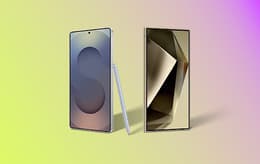
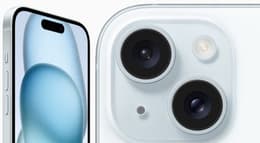
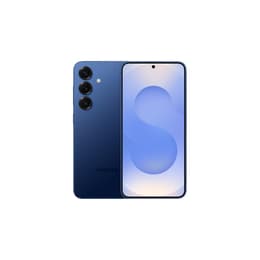
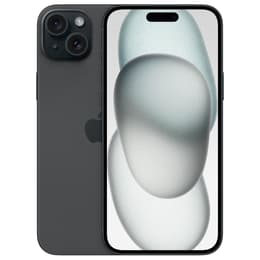
The Samsung Galaxy S25, released in early 2025, and the iPhone 15 Plus, launched in September 2023, represent two distinct approaches to large-screen smartphones. While both offer robust performance and advanced camera systems, they differ significantly in their operating systems, display technology, and overall user experience. The Galaxy S25 operates on Android 15 with Samsung's One UI 7, offering extensive customization, whereas the iPhone 15 Plus runs on Apple's iOS, known for its streamlined interface and ecosystem integration.
Colour
Storage
When considering the long-term usability of these devices, their respective release timelines and software support policies are key factors.
Release year
Operating system
Foldable
Performance is a core aspect of any modern smartphone, influencing everything from app responsiveness to multitasking capabilities.
The visual experience is a primary consideration for many users, and both devices offer high-quality displays with distinct characteristics.
Resolution
Both smartphones offer advanced camera systems designed to capture high-quality photos and videos, though with different configurations and features.
Beyond core performance and display, several other features contribute to the overall user experience and connectivity of these devices.
Weight
Screen size (in)
Network
SIM card
Carrier compatibility
The Samsung Galaxy S25 and iPhone 15 Plus cater to users with differing priorities, reflecting their distinct ecosystems and design philosophies. Users often praise the Galaxy S25 for its cutting-edge display with a high refresh rate, its versatile camera system with advanced video features like LOG recording, and Samsung's commitment to extended software support. Its powerful processor and ample RAM are also frequently highlighted for smooth performance.
Conversely, the iPhone 15 Plus receives acclaim for its exceptional battery life, the intuitive and secure iOS experience, and its robust build quality. The integration of the Dynamic Island and its capable camera system are also strong points for many users.
Common criticisms for the Galaxy S25 sometimes point to its incremental upgrades over its predecessor, particularly in the base model's camera hardware. For the iPhone 15 Plus, the 60Hz display is a frequent point of contention for users accustomed to higher refresh rates, with some considering it a significant drawback. The slower USB-C data transfer speeds compared to its Pro counterparts are also noted.
Users prioritizing the latest Android innovations, a high refresh rate display, and extensive camera flexibility, especially for video, may find the Galaxy S25 more aligned with their needs. Those who value a larger display within the Apple ecosystem, consistent performance, and long battery life, and are content with a standard refresh rate, might lean towards the iPhone 15 Plus. Both devices offer a quality-assured refurbished option, providing a sustainable choice for consumers.