
Galaxy S21+ 5G vs iPhone 13 Pro Max

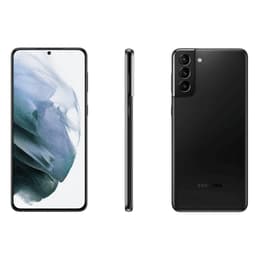
Galaxy S21+ 5G
Galaxy S21+ 5G
Starting at

Refurbished price:A$348.00

Versus A$2,005.00 new

See options
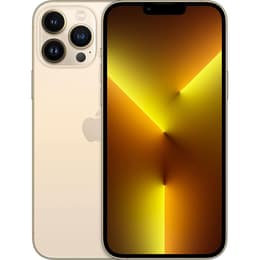
iPhone 13 Pro Max
iPhone 13 Pro Max
Starting at

Refurbished price:A$581.00

Versus A$1,689.00 new

See options

Ratings

The Samsung Galaxy S21 Plus 5G, released in January 2021, and the iPhone 13 Pro Max, launched in September 2021, are both large-format flagship smartphones from their respective manufacturers. While the Galaxy S21 Plus operates on Android with Samsung's One UI, the iPhone 13 Pro Max runs on Apple's iOS platform. These devices offer distinct experiences, primarily differing in their camera capabilities, display technologies, and overall software ecosystems.

Scores

Durability

When considering the longevity of these devices, both the Samsung Galaxy S21 Plus 5G and the iPhone 13 Pro Max offer robust build quality and ongoing software support, though their timelines differ.

  • Release Timeline: The Galaxy S21 Plus 5G was released in January 2021, making it approximately eight months older than the iPhone 13 Pro Max, which launched in September 2021. This age difference can influence the remaining period of official software updates.
  • Software Longevity: Apple typically provides iOS updates for its devices for five to six years from their release. Given its September 2021 launch, the iPhone 13 Pro Max is expected to receive software support for a longer duration compared to the Galaxy S21 Plus 5G. Samsung generally offers four years of Android OS updates and five years of security updates for its flagship devices.
  • Durability Features: Both phones feature IP68 dust and water resistance, protecting against immersion in water. The iPhone 13 Pro Max also incorporates a Ceramic Shield front cover for enhanced drop protection. The Galaxy S21 Plus 5G uses Corning Gorilla Glass Victus on both its front and back for durability.

Release year

2021

2021

Compatible with latest Update

Yes

Yes

Operating system

Android

iOS

Foldable

No

No

Performance

Both the Samsung Galaxy S21 Plus 5G and the iPhone 13 Pro Max deliver strong performance for daily tasks and demanding applications, though they achieve this through different hardware architectures.

  • Processing Power: The iPhone 13 Pro Max is equipped with a powerful current-generation processor that handles demanding applications and multitasking smoothly, including intensive gaming and video editing. The Galaxy S21 Plus 5G features a high-performance processor that provides a fluid user experience and is capable of running graphics-intensive games and applications effectively.
  • Multitasking and Responsiveness: The iPhone 13 Pro Max, with its optimized software and hardware integration, offers consistent responsiveness across various tasks. The Galaxy S21 Plus 5G, with its ample RAM, allows for efficient switching between multiple open applications, though some users have noted occasional stutters.
  • Battery Behavior: The iPhone 13 Pro Max is widely recognized for its exceptional battery life, often allowing many users to go two full days on a single charge, even with heavy use. The Galaxy S21 Plus 5G also offers good battery performance, typically lasting a full day for most users.

Memory (GB)

8 GB

6 GB

Screen quality

The display experience on the Samsung Galaxy S21 Plus 5G and the iPhone 13 Pro Max is a key differentiator, with both offering vibrant visuals and smooth interactions.

  • Display Technology and Resolution: The iPhone 13 Pro Max features a 6.7-inch Super Retina XDR OLED display with a resolution of 2778 x 1284 pixels, resulting in a sharp 458 pixels per inch (ppi). The Galaxy S21 Plus 5G has a 6.7-inch Dynamic AMOLED 2X display with a resolution of 2400 x 1080 pixels, providing a clarity of 394 ppi. Both displays offer rich colors and deep blacks.
  • Refresh Rate and Brightness: Both devices feature an adaptive 120Hz refresh rate, which dynamically adjusts based on content to provide smooth scrolling and animations while conserving battery life. The iPhone 13 Pro Max offers a typical maximum brightness of 1000 nits and a peak HDR brightness of 1200 nits. The Galaxy S21 Plus 5G reaches a peak brightness of 1300 nits.
  • Viewing Experience: The iPhone 13 Pro Max's display is noted for its excellent color accuracy and sharpness, making it suitable for detailed media consumption. The Galaxy S21 Plus 5G provides a vibrant and sharp viewing experience, with its flat display being preferred by some users.

Resolution

1080 x 2400

1284 x 2778

Screen type

Dynamic AMOLED 2X

Super Retina XDR OLED

Audiovisual

Both smartphones offer advanced camera systems designed to capture high-quality photos and videos, with specific strengths in different areas.

  • Rear Camera System: The iPhone 13 Pro Max features a Pro 12MP triple-camera system, including a wide, ultra-wide, and telephoto lens with 3x optical zoom. Its main wide camera has a larger sensor and wider aperture for improved light gathering, and the ultra-wide camera supports autofocus and macro photography. The Galaxy S21 Plus 5G also has a triple-camera setup, consisting of a 12MP wide, 64MP telephoto with up to 3x hybrid optical zoom, and a 12MP ultra-wide lens.
  • Low-Light Performance and Video: The iPhone 13 Pro Max excels in low-light photography and video, with its main camera capable of capturing clear images in challenging conditions. It also introduces Cinematic mode for video, which adds a shallow depth of field effect, and supports ProRes video recording. The Galaxy S21 Plus 5G also delivers impressive low-light photos and supports 8K video recording at 24fps, with 4K 60fps available across all its lenses, including the front camera.
  • Front Camera: Both devices feature 12MP front-facing cameras, capable of capturing detailed selfies and supporting various video recording modes.

Main camera

12 megapixels

12 megapixels

Front camera

10 megapixels

12 megapixels

Miscellaneous

Beyond their core features, both the Samsung Galaxy S21 Plus 5G and the iPhone 13 Pro Max include a range of practical elements that enhance their overall user experience.

  • Connectivity and Ports: Both smartphones support 5G connectivity and Wi-Fi 6 for fast wireless speeds. The iPhone 13 Pro Max uses Apple's proprietary Lightning port for charging and data transfer, while the Galaxy S21 Plus 5G features a USB-C port. Neither device includes a traditional 3.5mm headphone jack.
  • Biometric Security: The iPhone 13 Pro Max relies on Face ID for secure facial recognition. The Galaxy S21 Plus 5G incorporates an in-display fingerprint sensor for biometric authentication.
  • Design and Handling: The iPhone 13 Pro Max has dimensions of 160.8 x 78.1 x 7.65 mm and weighs 240g, making it a substantial device that some users find heavy. The Galaxy S21 Plus 5G measures 161.5 x 75.6 x 7.8 mm and weighs 200g, offering a slightly lighter feel. Both devices feature premium build materials.

Weight

200 oz

238 oz

Screen size (in)

6.7

6.7

Network

5G

5G

SIM card

Physical SIM + eSIM

Physical SIM + eSIM

Carrier compatibility

Unlocked

Unlocked

The Samsung Galaxy S21 Plus 5G and the iPhone 13 Pro Max each offer a compelling smartphone experience, catering to different user preferences. User feedback for the iPhone 13 Pro Max frequently highlights its exceptional battery life, often cited as a standout feature, along with its powerful camera system and smooth performance. Some users, however, find its size and weight to be a drawback. The Galaxy S21 Plus 5G is praised for its vibrant display, good battery life, and overall solid performance, with some users appreciating its flat screen design. Occasional performance stutters and heating during intensive tasks have been mentioned by some users.

Users prioritizing extended battery life and a highly optimized camera system for both photos and advanced video features may find the iPhone 13 Pro Max well-suited to their needs. Those who prefer the Android ecosystem, a slightly lighter device, and a flat display with strong overall performance and camera capabilities might lean towards the Galaxy S21 Plus 5G. Both devices represent quality options, and considering a quality-assured refurbished option for either model can be an eco-friendly alternative for consumers.
See all articles

Our recent comparisons