
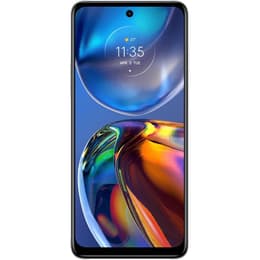
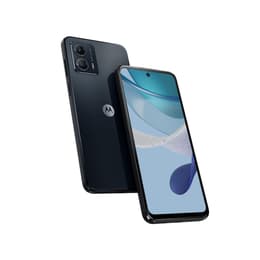

Motorola Moto E32 vs Motorola Moto G53

Motorola Moto E32
Motorola Moto E32
See options
Motorola Moto G53
Motorola Moto G53
Starting at

Refurbished price:A$203.77

Versus A$975.00 new

See options

The Motorola Moto E32, released in May 2022, and the Motorola Moto G53, launched in late 2022 and early 2023, are both smartphones designed for everyday use. While sharing a similar brand philosophy, the Moto G53 introduces 5G connectivity, a higher display refresh rate, and a more recent Android version, setting it apart from its predecessor. Both devices aim to provide a practical mobile experience for users seeking reliable functionality.

Scores

Durability

When considering the long-term usability of these devices, their release timelines and software support are key factors.

  • Release Timeline and OS Support: The Moto E32 was released in May 2022, initially running Android 11, though some variants shipped with Android 12. Official information suggests the Moto E32 is not expected to receive further major Android updates, with security updates potentially ending around May 2024. In contrast, the Moto G53, released in December 2022, launched with Android 13 and has since received an update to Android 14. Motorola has indicated security patches for the Moto G53 will continue until at least January 2026.
  • Physical Durability: Both phones feature a plastic frame and back. The Moto E32 carries an IP52 rating, indicating protection against limited dust ingress and splashing water. The Moto G53 is described as having a water-resistant design, offering protection against splashes or light rain, but it lacks an official IP rating.
  • Practical Lifespan: Users prioritizing the latest software and extended security updates will find the Moto G53 offers a longer practical lifespan due to its more recent launch and better update policy. The Moto E32, while physically durable for its class, will see its software support conclude sooner.

Release year

2022

2022

Compatible with latest Update

No

Yes

Operating system

Android

Android

Foldable

No

No

Performance

The performance of these smartphones impacts how smoothly applications run and how efficiently daily tasks are handled.

  • Processor Capabilities: The Moto E32 is equipped with a Unisoc T606 processor, which is suitable for basic daily tasks like web browsing and social media. However, users may experience slower performance and lag when running more demanding applications or engaging in intensive multitasking. The Moto G53 features a Qualcomm Snapdragon 480+ 5G processor, which provides a more responsive experience for everyday use and handles multitasking more smoothly. While not designed for high-end gaming, it offers a noticeable improvement in overall system fluidity.
  • Memory and Storage: The Moto E32 typically comes with 2GB, 3GB, or 4GB of RAM and 32GB or 64GB of internal storage. The Moto G53 offers more generous configurations, with options for 4GB, 6GB, or 8GB of RAM and 64GB or 128GB of storage. Both devices support expandable storage via a microSD card, allowing users to increase their storage capacity.
  • Overall Responsiveness: The Moto G53 generally offers a more consistent and snappier user experience, particularly when navigating the interface and switching between applications, thanks to its more capable processor and higher RAM options. The Moto E32, while functional for light use, can exhibit slowdowns with heavier workloads.

Memory (GB)

4 GB

8 GB

Screen quality

The display is a primary interface for user interaction, and both devices offer different viewing experiences.

  • Display Technology and Resolution: Both the Moto E32 and Moto G53 feature a 6.5-inch IPS LCD panel with an HD+ resolution of 720 x 1600 pixels. This resolution provides adequate clarity for general content consumption, though some reviews note that the Moto G53's HD+ resolution is a drawback, especially given its 120Hz refresh rate.
  • Refresh Rate and Smoothness: The Moto E32 offers a 90Hz refresh rate, which provides a smoother scrolling experience compared to standard 60Hz displays. The Moto G53 elevates this with a 120Hz refresh rate, resulting in even more fluid animations and scrolling, which can enhance the perception of responsiveness.
  • Brightness and Viewing Experience: Both IPS LCD panels offer decent brightness for indoor use. However, neither device excels in direct sunlight compared to higher-end display technologies. The Moto G53's peak brightness is noted as being surprisingly good for its segment, which can aid outdoor visibility. The IPS LCD technology means colors are generally accurate, but blacks may appear as dark greys, and contrast is not as deep as with OLED panels.

Resolution

720 x 1600

720x1600

Screen type

IPS LCD

IPS LCD

Audiovisual

The camera systems on these phones are designed for capturing everyday moments, with some distinctions in their capabilities.

  • Rear Camera System: The Moto E32 features a triple rear camera setup, including a 16-megapixel main sensor, a 2-megapixel macro lens, and a 2-megapixel depth sensor. The Moto G53 has a dual rear camera system, comprising a 50-megapixel main sensor and a 2-megapixel macro lens. The higher megapixel count on the Moto G53's main sensor can result in more detailed images in good lighting conditions.
  • Photography Performance: For everyday photography, the Moto G53's main camera is generally considered capable of producing good snapshots with balanced exposure and sharpness. The Moto E32's camera is described by users as adequate for its class, though not exceptional. Both devices include a macro lens for close-up shots, which typically offer limited utility. The Moto G53 notably omits an ultrawide camera, which was present in some of its predecessors.
  • Front Camera and Video: Both phones are equipped with an 8-megapixel front-facing camera for selfies and video calls. Video recording capabilities on both are generally suitable for casual use, with the Moto G53's video stabilization noted as being basic.

Main camera

16 megapixels

50 megapixels

Front camera

8 megapixels

8 megapixels

Miscellaneous

Beyond the core features, several practical elements contribute to the overall user experience of these smartphones.

  • Connectivity and Ports: A significant difference lies in network connectivity; the Moto E32 supports 4G LTE, while the Moto G53 offers 5G connectivity, enabling faster mobile data speeds where available. Both devices include Wi-Fi and Bluetooth for wireless connections. The Moto G53 also features NFC for contactless payments, a feature absent on the Moto E32. Both phones retain a 3.5mm headphone jack and use a USB-C port for charging and data transfer.
  • Sensors and Security: For security, both models incorporate a side-mounted fingerprint sensor for convenient unlocking. They also include standard sensors like accelerometers and proximity sensors.
  • Design and Handling: The Moto E32 measures 163.95 x 74.94 x 8.49 mm and weighs 184g. The Moto G53 is slightly more compact and lighter at 162.7 x 74.66 x 8.19 mm and 183g. Both have a plastic construction, contributing to their relatively light weight and comfortable handling. The Moto G53 features stereo speakers with Dolby Atmos support, enhancing the audio experience for media consumption, a feature not present on the Moto E32 which has a single speaker.

Weight

184 oz

183 oz

Screen size (in)

6,5

6.5

Network

4G

5G

SIM card

Dual Physical SIM

Dual Physical SIM

Carrier compatibility

Unlocked

Unlocked

The Motorola Moto E32 and Moto G53 cater to users with varying priorities, reflecting their respective positions in the smartphone market. The Moto E32 is often praised for its solid battery life and a 90Hz display that enhances daily scrolling, making it a practical choice for essential communication and light media consumption. However, common criticisms include its limited software update longevity and a processor that can struggle with more demanding applications.

The Moto G53, on the other hand, receives positive remarks for its 5G connectivity, a smoother 120Hz display, and a more capable main camera for snapshots. Its more recent Android version and longer update commitment also contribute to its appeal for users seeking extended software support. A frequent point of concern for the Moto G53 is its HD+ display resolution, which some users feel does not fully leverage the high refresh rate.

Users prioritizing long-term software support, 5G connectivity, and a smoother display for general navigation may find the Moto G53 to be a more suitable option. Its improved processor also offers a more consistent performance for everyday tasks. Conversely, individuals primarily needing a reliable device for basic communication, web browsing, and media consumption, where 5G and the absolute latest software are not critical, might consider the Moto E32. Both models represent functional choices within their segment, and opting for a quality-assured refurbished option can provide an eco-friendly alternative for either device.

See all articles

Our recent comparisons
