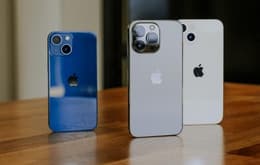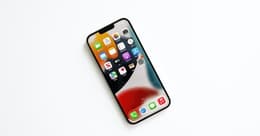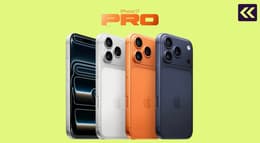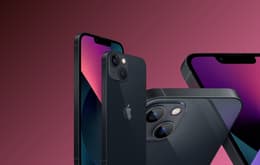
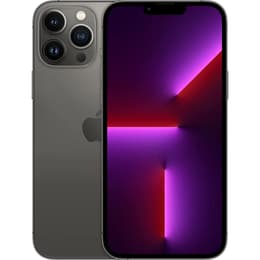

iPhone 13 Pro vs iPhone 13 Pro Max

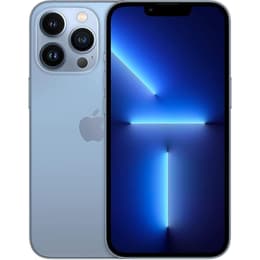
iPhone 13 Pro
iPhone 13 Pro
Starting at

Refurbished price:A$551.00

Versus A$1,539.00 new

See options
iPhone 13 Pro Max
iPhone 13 Pro Max
Starting at

Refurbished price:A$581.00

Versus A$1,689.00 new

See options

Ratings

The iPhone 13 Pro and iPhone 13 Pro Max, both released in September 2021, represent Apple's high-end smartphone offerings from that year. While they share the same advanced camera system, powerful internal components, and the iOS operating system, their primary distinctions lie in physical size, display dimensions, and battery capacity. These differences cater to varying user preferences regarding device handling and usage duration.

Scores

Durability

Both the iPhone 13 Pro and iPhone 13 Pro Max were launched in September 2021, meaning they share the same starting point for software support and overall device age. Apple typically provides several years of iOS updates, and as of early 2026, both models continue to receive the latest software, with expectations for continued support until around 2028.

  • Software Longevity: Both devices launched with iOS 15 and are currently running iOS 18.x, with future updates expected to extend their functional lifespan for several more years.
  • Physical Durability: Both models feature a Ceramic Shield front cover and a stainless steel frame, contributing to their resistance against drops and scratches. They also carry an IP68 rating for dust and water resistance, allowing submersion up to 6 meters for 30 minutes.
  • Repairability Considerations: Independent assessments have indicated that while some components like the display and battery are relatively accessible, certain software pairings can complicate third-party repairs, particularly concerning features like Face ID.

Release year

2021

2021

Compatible with latest Update

Yes

Yes

Operating system

iOS

iOS

Foldable

No

No

Performance

The iPhone 13 Pro and iPhone 13 Pro Max are equipped with the same internal processing unit, delivering identical performance capabilities across both models. This ensures a consistent experience whether running demanding applications, engaging in graphics-intensive gaming, or managing multiple tasks.

  • Processor Capabilities: Both devices feature a powerful current-generation processor with a 5-core graphics processing unit, enabling smooth operation for demanding apps, high-fidelity gaming, and efficient multitasking.
  • Storage Options: Users can choose from 128GB, 256GB, 512GB, or a substantial 1TB of internal storage, providing ample space for applications, photos, and videos.
  • Battery Behavior: The iPhone 13 Pro Max offers significantly longer battery life due to its larger physical size accommodating a bigger battery. It typically provides 1.5 to 2 hours more screen-on time compared to the iPhone 13 Pro, making it better suited for extended usage without recharging.

Memory (GB)

6 GB

6 GB

Screen quality

Both the iPhone 13 Pro and iPhone 13 Pro Max feature advanced display technology, but they differ in their physical dimensions, impacting the overall viewing experience.

  • Display Technology and Refresh Rate: Both models boast a Super Retina XDR display with ProMotion technology, offering an adaptive refresh rate that can scale from 10Hz to 120Hz. This results in smoother scrolling, more fluid animations, and improved responsiveness, while also conserving battery life by adjusting the refresh rate based on content.
  • Resolution and Clarity: The iPhone 13 Pro features a 6.1-inch display with a resolution of 2532x1170 pixels, resulting in a pixel density of approximately 460 pixels per inch. The iPhone 13 Pro Max has a larger 6.7-inch display with a resolution of 2778x1284 pixels, maintaining a similar pixel density of around 458 pixels per inch. Both offer sharp and clear visuals.
  • Brightness Levels: Both displays offer a typical maximum brightness of 1000 nits, with a peak brightness of 1200 nits for HDR content. This ensures excellent visibility even in bright outdoor conditions and a vibrant viewing experience for high dynamic range media.

Resolution

1170 x 2532

1284 x 2778

Screen type

Super Retina XDR OLED

Super Retina XDR OLED

Audiovisual

The camera systems on the iPhone 13 Pro and iPhone 13 Pro Max are largely identical, offering a versatile and high-quality photography and videography experience.

  • Camera System Capabilities: Both devices feature a triple 12-megapixel camera setup, including a wide, ultra-wide, and telephoto lens, complemented by a LiDAR scanner for improved depth sensing. This hardware configuration allows for a wide range of photographic styles and capabilities.
  • Photography Performance: Both models excel in various lighting conditions, offering improved low-light performance compared to previous generations due to larger sensors and wider apertures. Features like Night mode, Photographic Styles, and macro photography are available on both. While the hardware is identical, some reports suggest the 13 Pro Max might offer marginally steadier shots in low light or video due to slightly enhanced sensor-shift optical image stabilization on its telephoto lens.
  • Video Recording Quality: Both phones support advanced video features, including Cinematic mode for shallow depth-of-field effects, ProRes video recording (with storage limitations for 4K), and 4K video recording at up to 60 frames per second.

Main camera

12 megapixels

12 megapixels

Front camera

12 megapixels

12 megapixels

Miscellaneous

Beyond core performance, several practical elements differentiate the user experience of these two devices, primarily revolving around their physical form factor.

  • Connectivity and Ports: Both the iPhone 13 Pro and 13 Pro Max support 5G cellular connectivity for faster network speeds, Wi-Fi 6 for efficient wireless internet, and Bluetooth 5.0 for connecting accessories. They both utilize a Lightning port for charging and data transfer.
  • Sensors and Biometrics: For security and convenience, both devices rely on Face ID for biometric authentication. They also include a suite of sensors such as a LiDAR scanner, gyroscope, and accelerometer, enhancing augmented reality experiences and motion tracking.
  • Weight and Dimensions: The iPhone 13 Pro measures 146.7 x 71.5 x 7.65 mm and weighs 204 grams, offering a more compact and lighter feel. The iPhone 13 Pro Max is larger at 160.8 x 78.1 x 7.65 mm and heavier at 240 grams, providing a more expansive screen but requiring a larger grip and potentially feeling more cumbersome for some users.

Weight

203 oz

238 oz

Screen size (in)

6,1

6.7

Network

5G

5G

SIM card

Physical SIM + eSIM

Physical SIM + eSIM

Carrier compatibility

Unlocked

Unlocked

Connector

Lightning

Lightning

User sentiment for both the iPhone 13 Pro and 13 Pro Max is generally very positive, with many considering them to be highly capable and durable devices. Common praise points for both models include their excellent camera systems, vibrant ProMotion displays, and robust build quality. The iPhone 13 Pro Max is particularly lauded for its exceptional battery life, often cited as a standout feature that allows for extended usage, sometimes even two full days for moderate users. However, the larger size and weight of the Pro Max are frequently mentioned as potential drawbacks, making it less comfortable for one-handed use or carrying in smaller pockets.

Conversely, the iPhone 13 Pro is praised for striking a better balance between screen size and portability, offering a premium experience in a more manageable form factor. Some users have noted that the camera processing on the 13 Pro series can sometimes lead to overly saturated photos or lens flares in specific conditions.

Users prioritizing maximum screen real estate and the longest possible battery life will find the iPhone 13 Pro Max well-suited to their needs, especially for media consumption, gaming, or heavy professional use. Those who value a more compact device that is easier to handle and carry, while still offering top-tier performance and camera capabilities, may prefer the iPhone 13 Pro. Both models remain strong contenders for users seeking a reliable and feature-rich smartphone, and considering a quality-assured refurbished option can be an eco-friendly alternative.
See all articles

Our recent comparisons