
iPhone 13 Pro Max vs iPhone 14

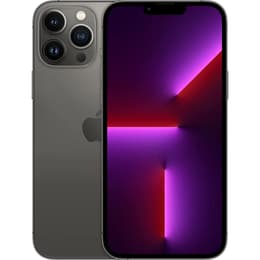
iPhone 13 Pro Max
iPhone 13 Pro Max
Starting at

Refurbished price:A$581.00

Versus A$1,689.00 new

See options
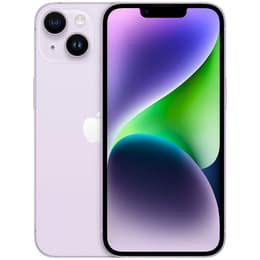
iPhone 14
iPhone 14
Starting at

Refurbished price:A$467.00

Versus A$1,049.00 new

See options

Ratings

The iPhone 13 Pro Max, released in September 2021, and the iPhone 14, launched in September 2022, represent different tiers within Apple's smartphone offerings. While both devices operate on the iOS platform and deliver a consistent user experience, the 13 Pro Max distinguishes itself with a larger, more advanced display and a versatile triple-camera system. In contrast, the iPhone 14 focuses on refining core features, introducing enhanced low-light photography and new safety capabilities.

Scores

Durability

When considering the practical lifespan of these devices, several factors come into play, including their release timelines and material construction.

  • Release Timeline: The iPhone 13 Pro Max was released in September 2021, making it a year older than the iPhone 14, which launched in September 2022. This difference means the iPhone 14 is likely to receive major iOS software updates for approximately one year longer than the 13 Pro Max, extending its software longevity.
  • Software Support: Both models are expected to receive several years of software support, ensuring access to new features and security updates. However, the iPhone 14, being the newer model, will naturally benefit from a slightly extended period of official support.
  • Build Materials: Both devices feature a Ceramic Shield front cover for enhanced drop protection and are rated IP68 for water and dust resistance, indicating robust durability against environmental elements. The iPhone 13 Pro Max utilizes a stainless steel frame, which offers a more rigid feel and greater resistance to bending and scratching compared to the aerospace-grade aluminum frame of the iPhone 14.

Release year

2021

2022

Compatible with latest Update

Yes

Yes

Operating system

iOS

iOS

Foldable

No

No

Performance

Both the iPhone 13 Pro Max and iPhone 14 deliver robust performance for everyday tasks and demanding applications, though there are nuances in their capabilities.

  • Processing Power: The iPhone 13 Pro Max is equipped with a powerful processor that handles intensive applications and multitasking with ease, providing smooth graphics performance for gaming and video editing. The iPhone 14 features a slightly refined version of the same processor, offering comparable speed and efficiency for daily use and more demanding tasks.
  • Multitasking and Responsiveness: Both models come with 6GB of RAM, allowing for efficient multitasking and quick app switching. Users can expect a fluid and responsive experience across the operating system and various applications on either device.
  • Battery Behavior: The iPhone 13 Pro Max is renowned for its exceptional battery longevity, often providing up to two days of use for many users, even with heavy usage. The iPhone 14 offers good battery life, capable of lasting a full day for most users, but it does not match the extended endurance of the larger 13 Pro Max.

Memory (GB)

6 GB

6 GB

Screen quality

The visual experience on these two iPhones presents a notable difference, primarily concerning display size and refresh rate technology.

  • Display Technology: Both devices feature Super Retina XDR OLED displays, delivering deep blacks, vibrant colors, and excellent contrast. However, the iPhone 13 Pro Max includes ProMotion technology, which enables an adaptive refresh rate up to 120Hz for smoother scrolling and more fluid animations. The iPhone 14 maintains a standard 60Hz refresh rate.
  • Screen Size and Clarity: The iPhone 13 Pro Max boasts a larger 6.7-inch display, offering a more expansive viewing area for media consumption and productivity. The iPhone 14 features a 6.1-inch display, providing a more compact form factor. Both screens offer high resolution and pixel density for sharp text and detailed images.
  • Brightness Levels: The iPhone 13 Pro Max offers higher typical and peak HDR brightness levels, which can be beneficial for outdoor visibility and HDR content viewing. The iPhone 14 also provides good brightness, suitable for various lighting conditions.

Resolution

1284 x 2778

1170 x 2532

Screen type

Super Retina XDR OLED

Super Retina XDR OLED

Audiovisual

Both iPhones offer advanced camera systems, but they cater to slightly different photographic and videographic needs.

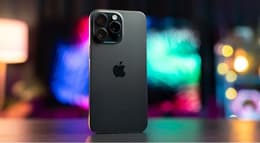
  • Rear Camera System: The iPhone 13 Pro Max features a versatile triple-camera setup, including a main, ultra-wide, and a dedicated telephoto lens for optical zoom. It also incorporates a LiDAR scanner for improved low-light focusing and augmented reality applications. The iPhone 14 has a dual-camera system with an upgraded main camera and an ultra-wide lens.
  • Photography Performance: The 13 Pro Max excels in various lighting conditions, with its larger main camera sensor capturing more light for detailed images. The iPhone 14 introduces the Photonic Engine, which significantly enhances low-light performance across all its cameras, resulting in brighter and more detailed photos in challenging light.
  • Video Capabilities: The iPhone 13 Pro Max supports ProRes video recording, offering higher quality and more flexibility for professional video editing. The iPhone 14 introduces Action Mode, providing advanced video stabilization for capturing smooth footage during movement. Both models feature Cinematic Mode for video with a shallow depth of field.

Main camera

12 megapixels

12 megapixels

Front camera

12 megapixels

12 megapixels

Miscellaneous

Beyond core features, several practical elements differentiate the user experience between these two devices.

  • Connectivity: Both iPhones support 5G cellular connectivity and Wi-Fi 6 for fast wireless speeds. The iPhone 14 features Bluetooth 5.3, offering minor improvements in efficiency and range compared to the Bluetooth 5.0 on the iPhone 13 Pro Max.
  • Physical Design and Handling: The iPhone 13 Pro Max is a larger and heavier device, measuring 160.8 x 78.1 x 7.7 mm and weighing 240 grams, which might appeal to users who prefer a substantial feel and larger screen. The iPhone 14 is more compact and lighter at 146.7 x 71.5 x 7.8 mm and 172 grams, making it easier for one-handed use.
  • Unique Features: The iPhone 13 Pro Max includes a LiDAR scanner, which enhances augmented reality experiences and improves autofocus in low-light conditions. The iPhone 14 introduces new safety features such as Crash Detection and Emergency SOS via Satellite, providing additional peace of mind in emergency situations.

Weight

238 oz

172 oz

Screen size (in)

6.7

6,1

Network

5G

5G

SIM card

Physical SIM + eSIM

Physical SIM + eSIM

Carrier compatibility

Unlocked

Unlocked

Connector

Lightning

Lightning

User sentiment often highlights the iPhone 13 Pro Max's exceptional battery life and the fluidity of its ProMotion display as significant advantages. Many users appreciate its larger screen for media consumption and the versatility of its triple-camera system, particularly the telephoto lens and ProRes video capabilities. Some criticisms occasionally point to its considerable size and weight, which can make one-handed use challenging for some individuals.

Conversely, the iPhone 14 is frequently praised for its improved low-light camera performance, thanks to the Photonic Engine, and the introduction of innovative safety features like Crash Detection and Emergency SOS via Satellite. Its more compact and lighter design is often preferred by users seeking a device that is easier to handle and carry. Common feedback sometimes notes the absence of a high refresh rate display, which is present in the Pro models, and the incremental nature of its performance upgrade compared to its predecessor.

Users prioritizing maximum battery endurance, a larger display with a smoother adaptive refresh rate, and a dedicated telephoto camera for optical zoom may find the iPhone 13 Pro Max better suited to their needs. On the other hand, individuals seeking a more manageable form factor, enhanced low-light photography, and the latest safety innovations might lean towards the iPhone 14. Both devices offer a robust iOS experience, and considering a quality-assured refurbished option for either model can be an eco-friendly alternative for making an informed choice.
See all articles

Our recent comparisons