Compare models
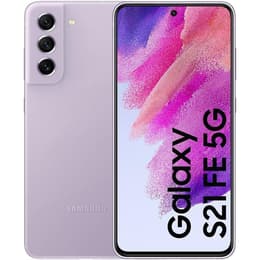
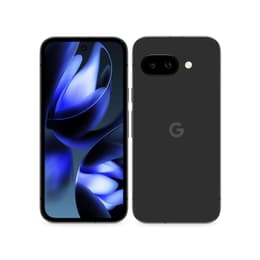
Galaxy S21 FE 5G vs Google Pixel 9a
- 1-year warranty
- Free standard shipping
- Free 30-day returns
Differences at a glance
The Samsung Galaxy S21 FE 5G (2022) and the Google Pixel 9a (2025) represent distinct approaches to balancing flagship-tier software experiences with accessible hardware design. While the Galaxy S21 FE 5G focuses on delivering a balanced multimedia experience with established performance architecture, the Google Pixel 9a introduces a newer generation of hardware features, advanced machine learning integration, and a revised exterior design language. Both devices operate on the Android platform, though they offer different software interface styles and update schedules. Choosing between these two models depends on individual preferences regarding software support lifecycles, physical dimensions, and everyday processing priorities.
Available Models
Colour
Storage (GB)
Scores
Durability
When examining long-term viability, these two smartphones differ significantly in their release timelines and remaining software support windows, which directly impacts how long they will receive security patches and system updates.
- Software Support Window: The Google Pixel 9a benefits from a significantly extended manufacturer update commitment, providing multi-year security and operating system upgrades that stretch further into the future. In contrast, the Galaxy S21 FE 5G launched earlier, meaning its remaining official update timeline is comparatively shorter.
- Repairability and Build Longevity: Both devices feature sealed constructions that require professional service for internal component repairs. However, choosing a quality-assured refurbished option for either model extends the lifecycle of existing electronics while supporting a more sustainable approach to technology use.
- Expected Practical Lifespan: Users seeking maximum software longevity and prolonged security updates will find the newer Pixel model better aligned with long-term retention goals, whereas the Galaxy model suits users comfortable with shorter upgrade cycles.
Release year
2022
2025
Operating system
Android
Android
Foldable
No
No
Performance
Underneath the surface, these devices handle everyday multitasking, application loading, and gaming through different generations of hardware processing capabilities and system memory configurations.
- Multitasking and Responsiveness: The Google Pixel 9a handles demanding apps, heavy multitasking, and background processes with modern efficiency, ensuring smooth transitions across various everyday tasks. The Galaxy S21 FE 5G also delivers reliable daily performance for web browsing, streaming, and moderate gaming, though it relies on slightly older internal architecture.
- Storage and Battery Behavior: Both models are available in standard internal storage configurations without expandable memory slots. Battery life profiles vary under heavy use, with the Pixel model generally leveraging newer processor power efficiency to stretch daily endurance, while the Galaxy device provides dependable all-day operation under typical usage conditions.
- System Fluidity: Optimization between hardware and software ensures that both phones maintain responsive touch interactions and stable background app management during routine daily workflows.
Screen quality
Display technology on both smartphones emphasizes visual clarity, accurate color reproduction, and comfortable viewing experiences across various lighting environments.
- Display Technology and Clarity: Both devices utilize vibrant OLED panel technology, delivering deep blacks, high contrast ratios, and sharp resolutions that make text reading and media viewing comfortable.
- Brightness and Outdoor Legibility: The Google Pixel 9a features high peak brightness levels that improve outdoor readability under direct sunlight. The Galaxy S21 FE 5G also offers a bright display, though users may need to manually adjust brightness in extremely bright outdoor conditions compared to newer panel iterations.
- Refresh Rate and Smoothness: Both models support elevated refresh rates, ensuring smooth scrolling through web pages, social media feeds, and system menus, alongside responsive touch tracking for gaming and navigation.
Resolution
1080 x 2340
1080x2424
Screen type
Dynamic AMOLED 2X
P-OLED
Audiovisual
Multimedia capture and audio output capabilities differ across these two devices, influencing how they perform during photography, video recording, and media consumption.
- Camera System Versatility: The Google Pixel 9a relies on advanced computational photography algorithms to process everyday shots, low-light environments, and portrait photography with high clarity. The Galaxy S21 FE 5G offers a flexible multi-lens setup, including a dedicated telephoto option for optical zoom capabilities that the Pixel model omits in favor of digital cropping.
- Video and Audio Output: Both smartphones record stable, high-definition video with clear internal microphone quality suitable for calls and casual recording. Stereo speaker arrangements on both devices provide adequate volume for casual media streaming and speakerphone use, though they lack deep bass response.
- Low-Light Performance: Computational processing on both handsets enhances shadow detail and minimizes noise in dimly lit environments, yielding dependable night photography results.
Miscellaneous
Practical daily usability is shaped by physical dimensions, connectivity standards, and sensor configurations embedded in the hardware design of each device.
- Connectivity and Ports: Both models support 5G network compatibility, modern Wi-Fi standards, and Bluetooth pairing for wireless accessories. Neither device includes a traditional headphone jack, relying instead on USB-C connectivity or wireless audio routing.
- Physical Dimensions and Handling: The Galaxy S21 FE 5G utilizes a lightweight plastic-composite back with aluminum framing, offering a balanced in-hand feel. The Google Pixel 9a introduces a revised chassis design with slightly different weight distribution and durable composite materials tailored for comfortable everyday handling.
- Security Sensors: Both smartphones incorporate fast biometric authentication methods, featuring under-display fingerprint sensors alongside facial recognition options for quick device unlocking.
Weight
177 oz
186 oz
Screen size (in)
6.4
6.3
Network
5G
5G
SIM card
Physical SIM
Physical SIM + eSIM
Carrier compatibility
Unlocked
Unlocked
What the community thinks
Real-world user feedback from community forums highlights distinct preferences for each device. Owners of the Galaxy S21 FE 5G frequently praise its balanced physical proportions, reliable display quality, and the inclusion of a dedicated optical zoom camera lens. Common discussions around the device sometimes note that battery life can diminish more rapidly under intensive gaming or navigation tasks. On the other hand, users of the Google Pixel 9a frequently commend its clean software interface, reliable point-and-shoot camera processing in diverse lighting conditions, and the reassurance of an extended software support lifecycle. Some community discussions point out that the absence of a telephoto lens requires reliance on digital zoom for distant subjects.
Users prioritizing long-term software support, streamlined software features, and advanced computational photography will find the Google Pixel 9a well-suited to their needs. Meanwhile, users who value a dedicated optical zoom lens and a traditional multi-lens configuration may prefer the Galaxy S21 FE 5G. Choosing a quality-assured refurbished option for either device provides an eco-friendly, sustainable choice that reduces electronic waste without compromising on functional capability. Evaluating personal priorities regarding camera versatility, update longevity, and physical handling will guide the final decision between these two capable Android alternatives.