
Galaxy S20 FE vs iPhone XR

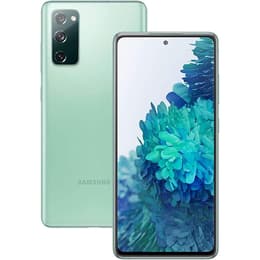
Galaxy S20 FE
Galaxy S20 FE
Starting at

Refurbished price:A$268.29

Versus A$578.00 new

See options
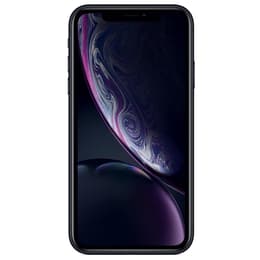
iPhone XR
iPhone XR
Starting at

Refurbished price:A$205.00

Versus A$589.00 new

See options

Ratings

The Samsung Galaxy S20 FE (Fan Edition), released in October 2020, and the Apple iPhone XR, launched in October 2018, represent two distinct approaches to offering a premium smartphone experience. While the S20 FE aimed to bring flagship features to a broader audience within the Android ecosystem, the iPhone XR provided a more accessible entry point into Apple's iOS platform. These devices differ significantly in their operating systems, display technology, and camera capabilities, catering to varying user preferences.

Scores

Durability

When considering the practical lifespan of these devices, their release timelines and software support policies are key differentiators.

  • Release and OS Support: The iPhone XR, released in October 2018, launched with iOS 12 and received major iOS updates up to iOS 17. It is not expected to receive iOS 18, meaning its major OS update cycle has concluded. However, it may still receive security updates for a period. The Galaxy S20 FE, launched in October 2020 with Android 10, was promised three major Android OS upgrades and five years of security patches. It has received updates up to Android 13 and its software support officially ended with the October 2025 security patch.
  • Software Longevity: Users prioritizing the latest operating system features will find the iPhone XR's major OS update cycle has ended, while the Galaxy S20 FE's software support has also concluded. Both devices will continue to function, but newer applications or features requiring the latest OS versions may not be fully compatible over time.
  • Repairability and Build: Both devices feature an IP rating for dust and water resistance, with the S20 FE rated IP68 and the iPhone XR rated IP67. The Galaxy S20 FE uses a plastic back with an aluminum frame, which some users find durable and less prone to shattering than glass. The iPhone XR features a glass front and back with an aluminum frame.

Release year

2020

2018

Compatible with latest Update

No

Yes

Operating system

Android

iOS

Foldable

No

No

Performance

The performance of these smartphones is influenced by their internal components and how efficiently their respective operating systems manage resources.

  • Processing Power: The iPhone XR, with its older Apple-designed processor, offers smooth performance for everyday tasks and most applications, a common characteristic praised by users. The Galaxy S20 FE, equipped with a more recent processor (Snapdragon 865 or Exynos 990 depending on the region), provides robust performance capable of handling demanding applications, multitasking, and graphically intensive games.
  • Multitasking and Responsiveness: The Galaxy S20 FE generally offers more RAM (6GB or 8GB) compared to the iPhone XR's 3GB, which can contribute to smoother multitasking and keeping more applications open in the background without needing to reload. Both devices offer a responsive user experience for general navigation and app launching.
  • Storage Options: The Galaxy S20 FE typically comes with 128GB or 256GB of internal storage and includes a microSD card slot for expandable storage, a feature not found on the iPhone XR. The iPhone XR was available in 64GB, 128GB, and 256GB storage configurations, without expansion capabilities.

Memory (GB)

6 GB

3 GB

Screen quality

The visual experience on these devices is shaped by their distinct display technologies and specifications.

  • Display Technology and Resolution: The Galaxy S20 FE features a 6.5-inch Super AMOLED display with a resolution of 1080 x 2400 pixels, offering vibrant colors and deep blacks. The iPhone XR has a 6.1-inch Liquid Retina IPS LCD display with a resolution of 828 x 1792 pixels. While the iPhone XR's LCD is noted for good color accuracy, the S20 FE's AMOLED technology generally provides higher contrast.
  • Refresh Rate and Brightness: A key difference is the refresh rate; the S20 FE boasts a 120Hz refresh rate for smoother scrolling and animations, while the iPhone XR has a standard 60Hz refresh rate. Both displays offer sufficient brightness for outdoor visibility, with the S20 FE's AMOLED often providing higher peak brightness.
  • Screen Size and Viewing: The Galaxy S20 FE offers a slightly larger screen, which can enhance the viewing experience for media consumption and productivity. The iPhone XR's display, while smaller, still provides a substantial viewing area.

Resolution

1080 x 2400

828 x 1792

Screen type

Super AMOLED

Liquid Retina IPS LCD

Audiovisual

The camera systems on the Galaxy S20 FE and iPhone XR offer different capabilities for capturing photos and videos.

  • Rear Camera System: The Galaxy S20 FE features a versatile triple-camera setup on the rear, including a 12MP wide lens, a 12MP ultrawide lens, and an 8MP telephoto lens with 3x optical zoom. This provides flexibility for various shooting scenarios. The iPhone XR has a single 12MP wide-angle rear camera.
  • Photography Performance: The S20 FE's multiple lenses allow for a broader range of photographic styles, including zoomed shots and wider landscape views. Its main camera is capable of capturing detailed images in various lighting conditions. The iPhone XR's single camera is known for its consistent image quality, good color reproduction, and reliable performance in everyday photography.
  • Front Camera and Video: For selfies, the S20 FE is equipped with a 32MP front camera, offering higher resolution for detailed self-portraits. The iPhone XR has a 7MP front camera. Both devices are capable of recording high-quality video, with the S20 FE offering more advanced video features due to its newer hardware.

Main camera

12 megapixels

12 megapixels

Front camera

32 megapixels

7 megapixels

Miscellaneous

Beyond core specifications, several practical elements contribute to the overall user experience of these smartphones.

  • Connectivity: The Galaxy S20 FE supports 5G connectivity (on specific models), Wi-Fi 6, and Bluetooth 5.0. The iPhone XR supports 4G LTE, Wi-Fi 5 (802.11ac), and Bluetooth 5.0. Users in areas with 5G infrastructure may experience faster data speeds with the S20 FE.
  • Ports and Biometrics: The S20 FE features a USB-C port for charging and data transfer, while the iPhone XR uses Apple's proprietary Lightning port. Both devices lack a traditional 3.5mm headphone jack. For security, the S20 FE includes an in-display fingerprint sensor, while the iPhone XR relies on Face ID for facial recognition.
  • Design and Handling: The Galaxy S20 FE weighs approximately 190g and has dimensions of 159.8 x 74.5 x 8.4 mm. The iPhone XR weighs 194g and measures 150.9 x 75.7 x 8.3 mm. The S20 FE's plastic back is often noted for its comfortable grip and resistance to fingerprints.

Weight

190 oz

194 oz

Screen size (in)

6.5

6.1

Network

4G

4G

SIM card

Physical SIM

Physical SIM + eSIM

Carrier compatibility

Unlocked

Unlocked

User sentiment for the Galaxy S20 FE often highlights its strong performance, vibrant 120Hz AMOLED display, and versatile camera system as key strengths. Some users appreciate the plastic back for its durability and the inclusion of expandable storage. Criticisms sometimes point to the quality of the vibration motor or early touch screen issues that were largely addressed by software updates. For the iPhone XR, common praise includes its robust performance, reliable camera for everyday use, and impressive battery life for its time. User feedback frequently mentions the display's lower resolution compared to OLED iPhones and the single rear camera as areas of compromise.

Users prioritizing a smoother display experience, a more versatile camera system with telephoto and ultrawide lenses, and expandable storage may find the Galaxy S20 FE better suited to their needs. Its Android operating system also offers more customization options. Conversely, individuals who prefer the Apple iOS ecosystem, strong single-camera performance, and Face ID for security might lean towards the iPhone XR. Both devices, available as quality-assured refurbished options, offer an eco-friendly alternative for consumers seeking capable smartphones without purchasing new. The choice ultimately depends on individual preferences for operating system, camera flexibility, and display characteristics.

See all articles

Our recent comparisons