
Compare models

Galaxy A14 5G vs iPhone 17 Pro Max

  • 1-year warranty
  • Free standard shipping
  • Free 30-day returns
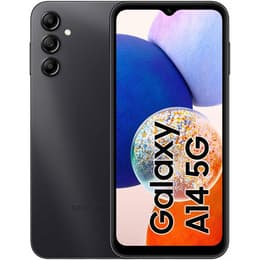
Galaxy A14 5G
Starting at

Refurbished price:A$144.00

Versus A$417.00 new

See options
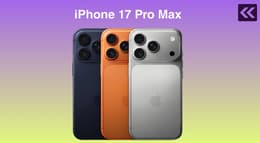
iPhone 17 Pro Max
Starting at

Refurbished price:A$1,689.00

Versus A$2,199.00 new

See options

Differences at a glance

The Samsung Galaxy A14 5G (2023) and the Apple iPhone 17 Pro Max (2025) represent entirely different tiers and generations of mobile technology. While the Galaxy A14 5G provides an accessible entry point into 5G connectivity running on Android, the iPhone 17 Pro Max delivers high-end flagship performance running on iOS. These two devices cater to vastly distinct user requirements and technological expectations.

Available Models

Colour

Storage

Scores

Durability

The Samsung Galaxy A14 5G and Apple iPhone 17 Pro Max differ significantly in their release timelines, software update windows, and build approaches, impacting their total expected operational lifespans.

  • Software Support Window: The iPhone 17 Pro Max benefits from Apple's long-term system update schedule, providing many years of regular security patches and platform upgrades. The Galaxy A14 5G features a more limited software update lifespan aligned with its entry-level positioning.
  • Repairability and Materials: The iPhone 17 Pro Max uses durable ceramic-infused front glass and robust unibody construction designed for longevity, whereas the Galaxy A14 5G utilizes pragmatic plastic construction that handles standard daily wear reliably.

Release year

2023

2025

Compatible with latest Update

Yes

Yes

Operating system

Android

iOS

Foldable

No

No

Performance

Daily operation and speed profiles vary immensely between these models, dictated by their internal hardware configuration, available memory, and software optimization.

  • App Loading and Multitasking: The iPhone 17 Pro Max handles demanding multi-app workflows, intense gaming sessions, and professional applications smoothly without stutter. The Galaxy A14 5G manages everyday messaging, web browsing, and casual streaming adequately, though heavy multitasking reveals occasional pauses.
  • Battery Behavior: Both devices house large capacity power units, but the iPhone 17 Pro Max combines its hardware efficiency with advanced power management to easily stretch through extended periods of heavy use. The Galaxy A14 5G relies on its large battery capacity to comfortably reach through a standard day of moderate tasks.

Screen quality

Viewing experiences differ radically based on the panel technologies, brightness thresholds, and motion responsiveness integrated into each phone.

  • Display Technology: The iPhone 17 Pro Max features a vibrant Super Retina XDR OLED panel with deep contrast, high peak brightness for outdoor readability, and a fluid adaptive refresh rate. The Galaxy A14 5G employs a standard PLS LCD screen with a smooth 90 Hz refresh rate for scrolling clarity, though it lacks the contrast depth and intense brightness levels of OLED panels.
  • Size and Clarity: The iPhone 17 Pro Max offers a large, expansive viewing canvas suited for media consumption, while the Galaxy A14 5G provides a comparable screen footprint with standard high-definition resolution adequate for daily reading and viewing.

Audiovisual

Multimedia capture and audio output capabilities reflect the wide tier gap between a value-focused device and a professional-grade flagship.

  • Camera Versatility: The iPhone 17 Pro Max includes a high-resolution triple lens system featuring advanced main, ultra-wide, and telephoto sensors capable of detailed low-light shots and professional-grade video recording. The Galaxy A14 5G equips a functional main camera alongside auxiliary sensors for basic everyday snapshots and casual video clips.
  • Media and Audio: The iPhone 17 Pro Max provides rich stereo sound output from its built-in speakers and clear microphone fidelity for calls, whereas the Galaxy A14 5G includes standard mono-style speaker performance and retains a traditional headphone jack for wired audio connections.

Front camera

13 megapixels

18 megapixels

Miscellaneous

Physical handling, connectivity standards, and everyday functional features shape how each phone integrates into a user's daily routine.

  • Connectivity and Ports: The iPhone 17 Pro Max utilizes a modern universal USB-C port and advanced wireless standards including high-speed 5G connectivity. The Galaxy A14 5G supports 5G networks and includes expandable storage via a microSD card slot alongside its physical audio port.
  • Physical Dimensions: The Galaxy A14 5G features a thicker plastic chassis that adds noticeable weight in the hand, while the iPhone 17 Pro Max balances a larger display surface within a refined, premium metal and glass unibody frame.

Weight

205 oz

233 oz

Screen size (in)

6.6

6.9

Network

5G

5G

SIM card

Physical SIM

Physical SIM + eSIM

Carrier compatibility

Unlocked

Unlocked

What the community thinks

User feedback from online communities highlights distinct reactions to both devices. Owners of the Galaxy A14 5G frequently praise its dependable battery endurance, straightforward interface, and the inclusion of expandable storage, though some users note limitations in processing speed during intensive tasks. Conversely, users of the iPhone 17 Pro Max consistently commend its exceptional battery longevity, vibrant display clarity, and powerful camera versatility, while occasionally pointing out its heavier physical footprint and larger dimensions.

Users prioritizing straightforward daily communication, essential media viewing, and expandable storage will find the Galaxy A14 5G well-suited to their needs. Meanwhile, users prioritizing professional-grade photography, high-end processing power for demanding apps, and extended software longevity will lean toward the iPhone 17 Pro Max. Choosing a quality-assured refurbished option for either model through platforms like Back Market offers an eco-friendly way to acquire fully tested technology while reducing electronic waste. Ultimately, the decision depends entirely on whether daily routines demand high-performance capabilities or standard, practical communication tools.

See all articles

Our recent comparisons