iPhone
Compare models
Differences at a glance
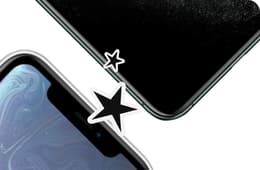
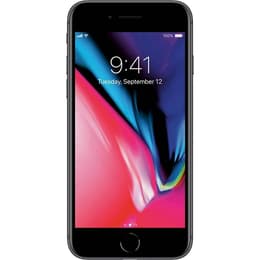
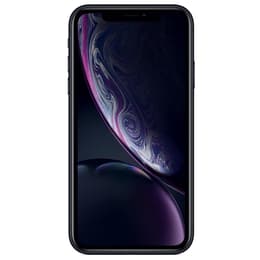
The iPhone 8, released in September 2017, and the iPhone XR, launched in October 2018, represent distinct phases in Apple's smartphone evolution. While the iPhone 8 retains the classic Home button design, the iPhone XR introduced a larger, edge-to-edge display and Face ID. Both devices operate within Apple's iOS ecosystem, providing a consistent software experience, but they differ in their core hardware and design philosophy, leading to practical differences for users.
Colour
Storage
When evaluating the long-term usability of these devices, their release timelines and software support are key considerations.
Release year
Compatible with latest Update
Operating system
Foldable
The performance of a smartphone is crucial for daily tasks, and both the iPhone 8 and iPhone XR offer capable experiences, though with notable distinctions.
The display is a primary interaction point, and these two iPhones offer different visual experiences.
Resolution
Screen type
Both iPhones are capable of capturing quality images and videos, but the iPhone XR introduces some enhancements.
Main camera
Front camera
Beyond core features, several practical elements differentiate these two devices in daily use.
Weight
Screen size (in)
Network
SIM card
Carrier compatibility
Connector
User feedback for the iPhone 8 often praises its familiar design, including the physical Home button and Touch ID, which many find convenient and reliable. Its compact size is also a frequent highlight for those who prefer smaller devices. Criticisms typically revolve around its battery life, which some users find insufficient for a full day of heavy use, and its aging design compared to newer models. The end of major iOS updates also means some users experience limitations with newer apps.
The iPhone XR is frequently lauded for its significantly improved battery life, which often lasts a day and a half for many users. Its larger, modern display and the introduction of Face ID are also popular features. Users appreciate the range of vibrant color options available. Common criticisms include the LCD display technology, which some perceive as less vibrant than OLED screens found in other models, and the single rear camera, which, while capable, lacks the versatility of multi-lens setups.
Users prioritizing a compact form factor, the familiarity of a Home button, and Touch ID may find the iPhone 8 well-suited to their needs. It remains a functional device for essential tasks and communication. Conversely, users who value a larger, more immersive display, extended battery life, and Face ID will likely lean towards the iPhone XR. Its newer processor and longer software support timeline also make it a more future-proof option for those who intend to keep their device for several years. Both devices offer a reliable iOS experience, and choosing between them often comes down to these practical design and feature preferences. For those considering a more sustainable choice, quality-assured refurbished options for both models are available, extending their lifespan and reducing electronic waste.