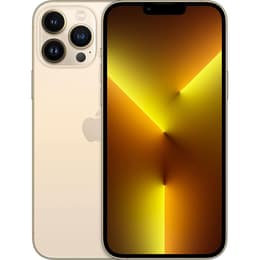

Galaxy S20 FE vs iPhone 13 Pro Max

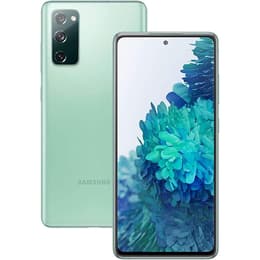
Galaxy S20 FE
Galaxy S20 FE
Starting at

Refurbished price:A$268.29

Versus A$578.00 new

See options
iPhone 13 Pro Max
iPhone 13 Pro Max
Starting at

Refurbished price:A$581.00

Versus A$1,689.00 new

See options

Ratings

The Samsung Galaxy S20 FE (Fan Edition), released in October 2020, and the iPhone 13 Pro Max, launched in September 2021, represent distinct approaches to high-end smartphone experiences. The Galaxy S20 FE offers a feature-rich Android experience, while the iPhone 13 Pro Max provides Apple's premium iOS ecosystem. Key differentiators include their operating systems, display technologies, and camera capabilities, catering to different user preferences.

Scores

Durability

When considering the practical lifespan of these devices, several factors come into play, including software support, physical durability, and ease of repair.

  • Release Timeline and Software Support: The Galaxy S20 FE, released in October 2020, initially launched with Android 10 and was eligible for three major OS upgrades, concluding its software update lifecycle around October 2025. The iPhone 13 Pro Max, released in September 2021, shipped with iOS 15 and is expected to receive major iOS updates for approximately 5-6 years, potentially extending its software longevity well into the future.
  • Physical Durability: The Galaxy S20 FE features a plastic back, an aluminum frame, and Gorilla Glass 3 on the front, offering a balance of durability and material choice. The iPhone 13 Pro Max utilizes a more premium construction with a Ceramic Shield front, a textured matte glass back, and a stainless steel frame, contributing to its robust feel. Both devices carry an IP68 rating for dust and water resistance.
  • Repairability: The Galaxy S20 FE has a repairability score of 8.1 out of 10, indicating it is moderately repairable with accessible components like the battery and screen. The iPhone 13 Pro Max generally has a moderate to difficult repairability, with common issues like cracked screens and battery drain being repairable.

Release year

2020

2021

Compatible with latest Update

No

Yes

Operating system

Android

iOS

Foldable

No

No

Performance

The performance of a smartphone is crucial for daily tasks, from navigating applications to engaging in demanding activities like gaming and video editing.

  • Everyday Responsiveness: The Galaxy S20 FE, powered by its current-generation processor (Snapdragon 865 for 5G models), handles everyday applications and multitasking smoothly. Users report a fluid experience, especially with the 120Hz display. The iPhone 13 Pro Max, with its advanced processor, delivers exceptional speed and responsiveness, ensuring demanding apps and graphics-intensive games run with high frame rates and minimal lag.
  • Multitasking and Storage: The Galaxy S20 FE typically comes with 6GB or 8GB of RAM and offers storage options of 128GB or 256GB, expandable via a microSD card slot. This allows for efficient multitasking and ample storage for media and applications. The iPhone 13 Pro Max features 6GB of RAM and a wider range of storage options, from 128GB up to 1TB, providing significant capacity for large files and extensive app libraries.
  • Battery Behavior: The Galaxy S20 FE is equipped with a 4500mAh battery, which users generally find provides a full day of use, even with the 120Hz refresh rate enabled. The iPhone 13 Pro Max, with its 4352mAh battery and efficient hardware, is noted for its exceptional battery longevity, often lasting up to two days with moderate usage.

Memory (GB)

6 GB

6 GB

Screen quality

The display is a primary interface for smartphone interaction, and both devices offer distinct visual experiences.

  • Display Technology and Resolution: The Galaxy S20 FE features a 6.5-inch Super AMOLED display with a resolution of 1080 x 2400 pixels, providing vibrant colors and deep blacks. The iPhone 13 Pro Max boasts a larger 6.7-inch Super Retina XDR OLED display with ProMotion technology, offering a higher resolution of 2778 x 1284 pixels and a pixel density of 458 ppi for sharp, detailed visuals.
  • Refresh Rate and Smoothness: The Galaxy S20 FE offers a 120Hz refresh rate, contributing to smoother scrolling and a more fluid user experience. The iPhone 13 Pro Max features an adaptive ProMotion display with refresh rates ranging from 10Hz to 120Hz, which dynamically adjusts based on content to optimize both smoothness and power efficiency.
  • Brightness and Viewing Experience: Both displays offer good brightness levels for outdoor visibility. The iPhone 13 Pro Max's display can reach higher peak brightness, especially for HDR content, enhancing its viewing experience in various lighting conditions.

Resolution

1080 x 2400

1284 x 2778

Screen type

Super AMOLED

Super Retina XDR OLED

Audiovisual

For many users, the camera system is a critical component, and both smartphones offer capable setups for capturing photos and videos.

  • Rear Camera System: The Galaxy S20 FE features a versatile triple-camera setup, including a 12MP main lens, a 12MP ultrawide lens, and an 8MP telephoto lens with 3x optical zoom. This configuration allows for a range of photographic styles. The iPhone 13 Pro Max also has a triple 12MP camera system, comprising a wide, ultrawide, and telephoto lens with 3x optical zoom, enhanced by sensor-shift optical image stabilization on the main sensor and a LiDAR scanner for improved low-light focusing and augmented reality applications.
  • Photography Performance: Both devices are capable of capturing detailed and vibrant images in good lighting conditions. The iPhone 13 Pro Max is particularly noted for its strong low-light performance and advanced computational photography features, which contribute to consistent image quality across various scenarios.
  • Video Recording Capabilities: Both phones support 4K video recording at 60 frames per second. The iPhone 13 Pro Max further distinguishes itself with features like Cinematic mode for shallow depth-of-field video and ProRes video recording, catering to users with more advanced video production needs.

Main camera

12 megapixels

12 megapixels

Front camera

32 megapixels

12 megapixels

Miscellaneous

Beyond the core features, several practical elements contribute to the overall user experience and daily usability of these devices.

  • Connectivity and Ports: Both the Galaxy S20 FE (5G models) and the iPhone 13 Pro Max support 5G connectivity, along with Wi-Fi 6 and Bluetooth 5.0 for fast wireless communication. The Galaxy S20 FE uses a USB-C port for charging and data transfer, while the iPhone 13 Pro Max utilizes Apple's proprietary Lightning port. Neither device includes a traditional 3.5mm headphone jack.
  • Biometric Security: The Galaxy S20 FE incorporates an under-display optical fingerprint sensor for secure unlocking. The iPhone 13 Pro Max relies on Face ID, Apple's facial recognition system, for biometric authentication.
  • Physical Characteristics: The Galaxy S20 FE measures 159.8 x 74.5 x 8.4 mm and weighs 190g, offering a comfortable in-hand feel. The iPhone 13 Pro Max is a larger and heavier device at 160.8 x 78.1 x 7.65 mm and 240g, which can impact one-handed use.

Weight

190 oz

238 oz

Screen size (in)

6.5

6.7

Network

4G

5G

SIM card

Physical SIM

Physical SIM + eSIM

Carrier compatibility

Unlocked

Unlocked

User sentiment for the Galaxy S20 FE often highlights its strong performance for its category, excellent battery life, and the inclusion of a 120Hz display as significant advantages. Some users appreciate the microSD card slot for expandable storage. Criticisms sometimes point to the plastic back as feeling less premium compared to other devices in its class, and some early models faced processor variations that impacted performance in certain regions.

The iPhone 13 Pro Max is frequently praised for its industry-leading battery life, powerful performance, and advanced camera system, particularly its video capabilities and low-light photography. Users also value the smooth experience provided by the ProMotion display. Common concerns include its substantial weight and size, which can make it less comfortable for some users, and the continued use of the Lightning port.

Users prioritizing an extensive software update lifespan and a highly refined camera and video experience may find the iPhone 13 Pro Max well-suited to their needs. Those who value expandable storage, a slightly lighter build, and a capable Android ecosystem might lean toward the Galaxy S20 FE. Both devices offer robust performance for daily use, and choosing between them often comes down to a preference for iOS versus Android, and specific priorities regarding camera features, display technology, and physical dimensions. For those seeking an eco-friendly alternative, considering a quality-assured refurbished option for either model can provide a sustainable choice.
See all articles

Our recent comparisons