
Galaxy S10 vs iPhone 12 Pro

Galaxy S10
Galaxy S10
Starting at

Refurbished price:A$359.00

Versus A$849.00 new

See options
iPhone 12 Pro
iPhone 12 Pro
Starting at

Refurbished price:A$411.00

Versus A$1,119.00 new

See options

Ratings

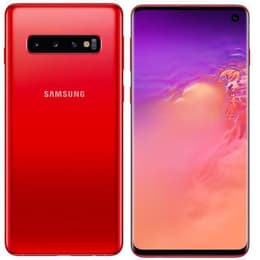
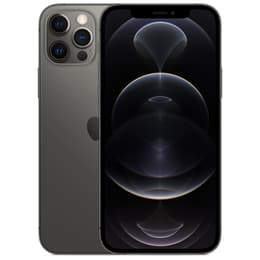
The Samsung Galaxy S10, released in March 2019, and the Apple iPhone 12 Pro, launched in October 2020, represent flagship smartphones from their respective manufacturers. While both devices offer premium experiences, they differ significantly in their operating systems, core hardware, and camera capabilities. The Galaxy S10 runs on Android, providing a customizable user experience, whereas the iPhone 12 Pro operates on iOS, known for its integrated ecosystem and long-term software support.

Scores

Durability

When considering the practical lifespan of these devices, their release timelines and software support policies are key factors. The Galaxy S10, being an Android device from 2019, received major Android updates up to Android 12, with security updates typically extending for a few more years. The iPhone 12 Pro, released in late 2020, benefits from Apple's longer software support cycle, generally receiving iOS updates for five to six years from its launch.

  • Software Longevity: The iPhone 12 Pro offers a longer expected period of major operating system updates compared to the Galaxy S10, providing access to newer features and security enhancements for a more extended duration.
  • Physical Durability: Both devices feature premium build materials and IP68 water and dust resistance. The iPhone 12 Pro introduced a Ceramic Shield front cover, designed for enhanced drop performance, while the Galaxy S10 uses Gorilla Glass 6 for its display.
  • Repairability: While specific repairability scores can vary, both devices are designed with internal components that require specialized tools and expertise for repair, typical of modern flagship smartphones.

Release year

2019

2020

Compatible with latest Update

No

Yes

Operating system

Android

iOS

Foldable

No

No

Performance

The performance of a smartphone is largely determined by its internal processing power and how efficiently it manages tasks. The Galaxy S10, equipped with a flagship processor from its era, handles everyday applications, multitasking, and moderate gaming smoothly. The iPhone 12 Pro, featuring a newer generation processor, delivers a highly responsive experience, excelling in demanding applications, advanced mobile gaming, and intensive video editing tasks.

  • Processing Power: The iPhone 12 Pro's processor offers a notable performance advantage, resulting in faster app loading times and smoother operation, particularly with graphically intensive applications and complex computational tasks.
  • Multitasking Efficiency: Both devices are capable multitaskers. The iPhone 12 Pro's system architecture and optimized software allow for seamless switching between numerous applications without significant slowdowns.
  • Battery Behavior: The Galaxy S10 features a 3400 mAh battery, while the iPhone 12 Pro has a 2815 mAh battery. Users of the Galaxy S10 generally report a full day of moderate use, though heavy usage may require a midday charge. The iPhone 12 Pro, despite its smaller battery capacity, often achieves comparable or slightly better real-world battery life for many users due to its power-efficient processor and operating system optimizations.

Memory (GB)

8 GB

6 GB

Screen quality

The visual experience on both the Galaxy S10 and iPhone 12 Pro is characterized by vibrant displays, though with distinct characteristics. Both phones feature 6.1-inch screens, offering ample viewing area for media consumption and daily interactions.

  • Display Technology: The Galaxy S10 utilizes a Dynamic AMOLED display, known for its deep blacks and rich colors, with a resolution of 3040 x 1440 pixels. The iPhone 12 Pro features a Super Retina XDR OLED display, also delivering excellent contrast and color accuracy, with a resolution of 2532 x 1170 pixels.
  • Brightness and Clarity: Both displays offer high peak brightness levels, reaching up to 1200 nits for HDR content, ensuring good visibility even in bright outdoor conditions. The Galaxy S10 has a slightly higher pixel density, contributing to very sharp text and images.
  • Refresh Rate: Both the Galaxy S10 and iPhone 12 Pro feature a standard 60Hz refresh rate, providing a smooth visual experience for most users, though not matching the higher refresh rates found in some newer devices.

Resolution

1440 x 3040

1170 x 2532

Screen type

Dynamic AMOLED

Super Retina XDR OLED

Audiovisual

Both the Galaxy S10 and iPhone 12 Pro offer versatile camera systems capable of capturing high-quality photos and videos, each with its own strengths. Both devices feature a triple-camera setup on the rear, including wide, ultrawide, and telephoto lenses.

  • Rear Camera Capabilities: The Galaxy S10 includes a 12MP main lens with dual aperture, a 12MP telephoto lens with 2x optical zoom, and a 16MP ultrawide lens. The iPhone 12 Pro features three 12MP cameras (wide, ultrawide, and telephoto with 2x optical zoom) and also incorporates a LiDAR scanner, which assists with faster autofocus in low light and enables advanced augmented reality experiences.
  • Low-Light Performance and Video: The iPhone 12 Pro generally offers improved low-light photography and video recording capabilities, partly due to its larger sensor and the LiDAR scanner. It also supports HDR video recording with Dolby Vision. The Galaxy S10 provides strong low-light performance for its generation and records 4K video.
  • Front Camera: The Galaxy S10 has a 10MP front-facing camera. The iPhone 12 Pro features a 12MP TrueDepth front camera, supporting features like Night mode and Deep Fusion for selfies.

Main camera

12 megapixels

12 megapixels

Front camera

10 megapixels

12 megapixels

Miscellaneous

Beyond core performance and display, several practical features differentiate the Galaxy S10 and iPhone 12 Pro, impacting daily usability and connectivity.

  • Connectivity and Ports: The iPhone 12 Pro supports 5G connectivity, offering faster cellular data speeds in compatible areas, a feature not present on the 4G-only Galaxy S10. The Galaxy S10 includes a 3.5mm headphone jack and a USB-C port for charging and data transfer. The iPhone 12 Pro uses Apple's proprietary Lightning port and lacks a headphone jack. Both devices support Wi-Fi 6 and Bluetooth 5.0.
  • Biometric Security: The Galaxy S10 features an ultrasonic in-display fingerprint sensor for secure unlocking. The iPhone 12 Pro relies on Face ID, Apple's facial recognition system.
  • Design and Handling: The Galaxy S10 weighs 157g and has a curved display, contributing to a comfortable in-hand feel. The iPhone 12 Pro is slightly heavier at 189g and features flat edges with a stainless steel frame.

Weight

157 oz

187 oz

Screen size (in)

6.1

6.1

Network

4G

5G

SIM card

Physical SIM

Physical SIM + eSIM

Carrier compatibility

Unlocked

Unlocked

The Samsung Galaxy S10 and iPhone 12 Pro cater to users with different priorities, reflecting their distinct operating systems and design philosophies. Users often praise the Galaxy S10 for its vibrant display, the inclusion of a headphone jack, and its customizable Android experience. Some common criticisms for the S10, given its age, might revolve around its shorter software support lifespan compared to newer devices and potentially less robust battery performance for heavy users over time.

The iPhone 12 Pro is frequently lauded for its powerful processor, consistent camera performance, and the long-term software support provided by Apple. User feedback often highlights its strong ecosystem integration and durable Ceramic Shield front. Some users might find its reliance on the Lightning port and the absence of a headphone jack less convenient.

Users prioritizing a highly customizable Android experience, a traditional headphone jack, and a slightly lighter device might find the Galaxy S10 a suitable option. Conversely, those who value extended software updates, a powerful processor for demanding tasks, 5G connectivity, and the iOS ecosystem will likely lean towards the iPhone 12 Pro. Both devices, when considered as quality-assured refurbished options, offer an eco-friendly alternative to purchasing new, allowing consumers to make informed and sustainable choices based on their individual needs.


See all articles

Our recent comparisons