
Compare models
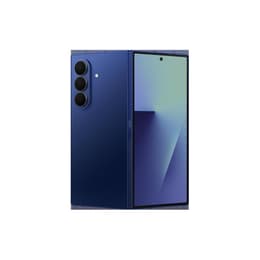
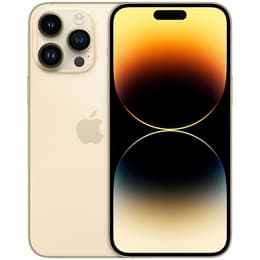
Galaxy Z Fold7 vs iPhone 14 Pro Max
- 1-year warranty
- Free standard shipping
- Free 30-day returns
Differences at a glance
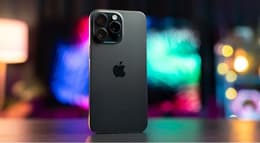
The Samsung Galaxy Z Fold7 (2025) and the Apple iPhone 14 Pro Max (2022) represent two distinct approaches to premium smartphone engineering. While the Galaxy Z Fold7 introduces a futuristic book-style foldable design with a flexible inner display, the iPhone 14 Pro Max utilizes a traditional slab form factor built around a rigid, large-screen structure. These devices operate on different software ecosystems, running Android and iOS respectively, and cater to users seeking entirely different daily mobile experiences.
Available Models
Colour
Storage (GB)
Scores
Durability
Both devices offer strong structural durability and extended software longevity, though they approach long-term support through different release timelines and hardware configurations.
- Software longevity: The Galaxy Z Fold7 benefits from an extended software support window spanning multiple years of major operating system upgrades, whereas the iPhone 14 Pro Max relies on Apple's established multi-year update track record.
- Build resilience: The iPhone 14 Pro Max features a rigid glass-and-stainless-steel chassis protected by ceramic-shield glass, while the Galaxy Z Fold7 employs a sophisticated folding hinge mechanism requiring careful handling of its flexible inner screen.
- Expected lifespan: Both models maintain high physical durability, but users prioritizing a traditional rigid frame may experience fewer mechanical wear considerations over extended years of daily use.
Release year
2025
2022
Operating system
Android
iOS
Foldable
Yes
No
Performance
Equipped with modern processing architectures and generous memory configurations, both smartphones handle intensive tasks, multitasking, and demanding mobile applications with high levels of system responsiveness.
- Multitasking capacity: The Galaxy Z Fold7 excels at split-screen app usage and simultaneous multi-window workflows supported by large RAM allocations, whereas the iPhone 14 Pro Max handles background app management efficiently through optimized software integration.
- Battery behavior: The iPhone 14 Pro Max delivers dependable all-day endurance for standard usage, while the Galaxy Z Fold7 manages power across two distinct displays, meaning heavy reliance on the expansive inner screen requires more frequent charging.
- System fluidity: Both platforms provide rapid app loading times and smooth graphics rendering, ensuring that everyday navigation, gaming, and productivity tasks run without noticeable stutter or lag.
Screen quality
Display technology is a primary differentiator between these devices, contrasting a transformable dual-screen folding setup with a fixed, high-clarity traditional panel.
- Display technology: The Galaxy Z Fold7 utilizes a flexible dynamic OLED inner screen alongside a practical exterior cover display, whereas the iPhone 14 Pro Max features a single, rigid, vibrant OLED panel equipped with high outdoor peak brightness.
- Viewing area: The foldable Samsung display opens into a tablet-sized canvas well-suited for document editing and media viewing, while Apple's display offers a traditional, uninterrupted widescreen aspect ratio with uniform framing.
- Visual smoothness: Both screens support rapid refresh rates up to 120Hz, ensuring fluid scrolling animations, responsive touch tracking, and crisp text legibility across various lighting conditions.
Resolution
1968x2184
1290 x 2796
Audiovisual
Imaging capabilities on both smartphones accommodate diverse photography styles, ranging from high-resolution detail capture to reliable low-light processing.
- Camera systems: The Galaxy Z Fold7 features a high-megapixel main sensor alongside ultra-wide and telephoto options, while the iPhone 14 Pro Max utilizes a multi-lens arrangement backed by advanced computational photography tools like the Photonic Engine.
- Video and audio: Both devices record stable, high-resolution video with clear audio capture from built-in microphone arrays, making them reliable tools for casual content creation and virtual calls.
- Media consumption: Stereo speakers on both models deliver robust sound output for music playback and video streaming, though the larger unfolded footprint of the foldable device provides a more immersive visual stage.
Miscellaneous
Practical daily usability is shaped by physical dimensions, biometric security features, and modern connectivity standards embedded within each chassis.
- Handling and dimensions: The iPhone 14 Pro Max maintains a wide, flat profile with a heavier physical footprint, while the Galaxy Z Fold7 adopts a much thinner folded profile that resembles a standard phone before expanding into a larger format.
- Connectivity and ports: Both models support rapid 5G cellular networks, advanced Wi-Fi standards, and Bluetooth pairing, utilizing modern reversible charging ports for power replenishment.
- Security sensors: Biometric authentication is handled via facial recognition on the Apple device and a side-mounted fingerprint sensor integrated into the power button on the Samsung model.
Weight
215 oz
120 oz
Screen size (in)
8.0
6,7
Network
5G
5G
SIM card
Dual Physical SIM + eSIM
Physical SIM + eSIM
Carrier compatibility
Unlocked
Unlocked
What the community thinks
User feedback highlights distinct preferences for each device based on lifestyle and workflow requirements. Owners of the Galaxy Z Fold7 frequently praise its expansive multitasking workspace and innovative folding form factor, though some users note the physical crease on the inner display and the care required for a folding mechanism. Conversely, users of the iPhone 14 Pro Max frequently commend its dependable battery endurance, robust build quality, and seamless ecosystem integration, while noting that its large slab design lacks the transformable versatility of a folding device. For shoppers exploring a quality-assured refurbished option as a sustainable choice, both models offer longevity and high-end performance.
Users prioritizing maximum screen workspace, split-screen productivity, and a versatile folding layout will find the Galaxy Z Fold7 well-suited to their daily routine. Meanwhile, users prioritizing a conventional rigid smartphone structure, straightforward one-handed cover usage, and deep software ecosystem integration may prefer the iPhone 14 Pro Max. Evaluating personal priorities regarding form factor and daily software habits will point toward the most fitting device.