
Compare models
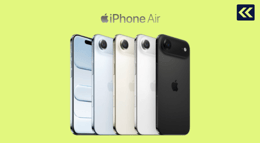
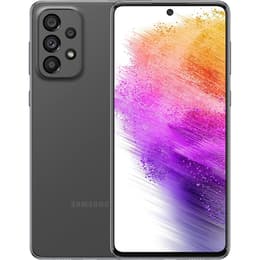
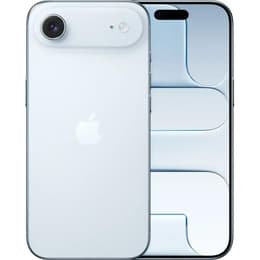
Galaxy A73 5G vs iPhone Air
- 1-year warranty
- Free standard shipping
- Free 30-day returns
Differences at a glance
The Samsung Galaxy A73 5G (2022) and the Apple iPhone Air (2025) represent two distinct approaches to smartphone design, bridging different release years and operating ecosystems. The Galaxy A73 5G runs on the Android platform with Samsung's One UI interface, whereas the iPhone Air operates on Apple's iOS software environment. While both devices serve daily communication and entertainment needs, they differ significantly in their launch timelines, structural philosophies, and hardware configurations.
Available Models
Colour
Storage (GB)
Scores
Durability
When evaluating structural longevity and software support, both smartphones handle updates differently based on their respective release schedules and manufacturer policies.
- Software support lifecycle: The iPhone Air benefits from a more recent release timeline, securing multi-year operating system upgrades well into the future, whereas the Galaxy A73 5G occupies an earlier generation with a fixed multi-year patch schedule.
- Repairability and build maintenance: Both handsets feature sealed designs requiring specialized tools for component replacement, though standardized service networks support routine battery swaps for each model.
Release year
2022
2025
Compatible with latest Update
Yes
Yes
Operating system
Android
iOS
Foldable
No
No
Performance
Daily responsiveness and multi-application handling vary depending on the internal architecture and resource management of each operating system.
- Everyday multitasking: Both devices load mainstream social media applications, navigation tools, and productivity software smoothly, maintaining steady performance across common daily workloads.
- Battery endurance: The Galaxy A73 5G relies on a high-capacity internal power cell designed to span long operational hours, while the ultra-slim iPhone Air balances a compact energy reservoir with power-efficient processor architecture to sustain a standard day of mixed use.
Screen quality
Visual immersion and panel characteristics differ across display technology, brightness thresholds, and physical dimensions.
- Display panel type: Both models utilize vibrant OLED screen technology that delivers deep contrast levels and rich color reproduction for media streaming and text legibility.
- Refresh rate and outdoor visibility: Each device supports smooth scrolling via high refresh rate capabilities and incorporates high peak brightness thresholds to maintain screen clarity under direct sunlight.
Resolution
1080 x 2400
2736x1260
Screen type
Super AMOLED Plus
Super Retina XDR
Audiovisual
Imaging hardware and media recording capabilities cater to varying photography styles and video capture preferences.
- Main camera hardware: The Galaxy A73 5G features a multi-lens rear camera array providing versatile framing options, while the iPhone Air streamlines rear optics into a single high-resolution sensor paired with advanced computational photography processing.
- Video and audio output: Both smartphones record stable, high-definition video clips with clear audio capture, though their built-in speaker configurations deliver distinct sound profiles for media consumption.
Main camera
108 megapixels
48 megapixels
Front camera
32 megapixels
18 megapixels
Miscellaneous
Physical dimensions and connectivity standards shape how each device fits into everyday travel and handling routines.
- Form factor and weight: The iPhone Air emphasizes an exceptionally slim and lightweight titanium profile, whereas the Galaxy A73 5G utilizes a slightly wider polymer frame that accommodates expandable storage via a microSD card slot.
- Connectivity and ports: Both units incorporate modern wireless protocols and standard USB Type-C interface architecture for data synchronization and charging compatibility.
Weight
181 oz
165 oz
Screen size (in)
6.7
6.5
Network
5G
5G
SIM card
Physical SIM
eSIM
Carrier compatibility
Unlocked
Unlocked
What the community thinks
Users prioritizing a lightweight, ultra-thin profile with long-term software backing may find the iPhone Air well-suited to their preferences. Conversely, individuals seeking expandable storage capacity and a traditional Android operating environment often gravitate toward the Galaxy A73 5G. Choosing between these devices ultimately depends on whether ecosystem preference, physical handling, or storage flexibility takes priority in daily use. Choosing a quality-assured refurbished option through Back Market also provides an eco-friendly alternative that extends device lifecycles while supporting sustainable technology choices.