
Dell Latitude 5420 14" vs Dell Latitude 7400 14"

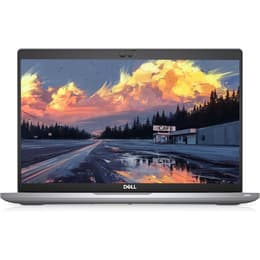
Dell Latitude 5420 14"
Starting at

Refurbished price:A$408.00

Versus A$1,199.00 new

See options
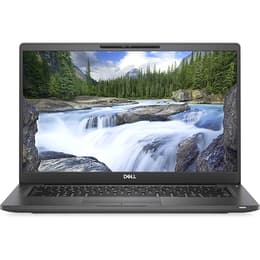
Dell Latitude 7400 14"
See options

The Dell Latitude 5420 and Dell Latitude 7400 are both 14-inch business-oriented laptops designed for productivity and reliability. The Latitude 5420, released in early 2021, features more recent internal components, while the Latitude 7400, launched in 2019, offers a robust and established platform. Both models run on the Windows operating system, providing a familiar environment for professional users.

Scores

Durability

When considering the longevity of these devices, their release timelines and the typical support cycles for business laptops are key factors. The Dell Latitude 5420, being a newer model, generally benefits from a longer expected period of software updates and security patches compared to its predecessor.

  • Release Timeline: The Latitude 5420 was introduced in early 2021, making it a more recent option, whereas the Latitude 7400 was released in 2019. This difference in age directly impacts the remaining years of official operating system support and driver updates.
  • Software Longevity: As a newer device, the Latitude 5420 is expected to receive operating system updates for a longer duration, potentially extending its practical usability for several more years than the Latitude 7400.
  • Repairability: Both Latitude models are designed with business environments in mind, which typically translates to good repairability. Dell provides detailed service manuals, and components like RAM and storage are generally accessible for upgrades or replacements, contributing to their overall practical lifespan.

Release year

2020

2018

Last Os Compatibility

Yes

Yes

Operating system

Windows 11

Windows 11

Performance

The performance capabilities of these two laptops differ primarily due to their respective processor generations and available memory configurations. These distinctions influence how smoothly they handle demanding applications and multitasking.

  • Processing Power: The Latitude 5420 incorporates more recent internal components, which generally translates to more responsive performance for everyday tasks and a smoother experience with demanding applications. The Latitude 7400, while capable for general productivity, relies on an older generation of internal components.
  • Multitasking and Memory: The Latitude 5420 supports a higher maximum amount of system memory, allowing for more extensive multitasking and handling of memory-intensive applications. The Latitude 7400 offers substantial memory configurations suitable for most business tasks, though with a lower ceiling.
  • Storage Speed: Both models typically feature fast solid-state drives (SSD), ensuring quick boot times and rapid application loading. The specific performance can vary based on the drive configuration chosen for each model.
  • Battery Behavior: The Latitude 7400 is often praised for its extended battery life, capable of lasting through a full workday for many users. The Latitude 5420 also offers good battery performance, with some configurations providing ample power for prolonged use, though user experiences can vary depending on workload and display settings.

Memory (GB)

16 GB

8 GB

Processor

Core i5-1135G7

Core i5 - Gen 8 (U)

Graphic card

Intel Iris Xe Graphics

Integrated Graphics

Screen quality

The display quality on both Latitude models offers various options, catering to different user preferences and work environments. Key differences lie in the available panel technologies and brightness levels.

  • Display Technology and Resolution: Both laptops offer 14-inch displays, with Full HD (1920x1080) IPS panels being a common option for clear visuals and good viewing angles. The Latitude 5420 also has configurations with improved color accuracy and brightness.
  • Brightness and Outdoor Use: While both can be configured with panels offering adequate brightness for indoor use, the Latitude 5420 has options for higher brightness levels (up to 400 nits) and broader color gamut coverage, which can enhance visibility in brighter environments. The Latitude 7400 typically offers up to 300 nits.
  • Refresh Rate: Both models generally feature standard 60Hz refresh rate displays, which are suitable for typical office work and media consumption.
  • Touch and Privacy Options: Both the Latitude 5420 and 7400 offer configurations with touch-enabled displays and optional privacy screens, which can be beneficial for specific use cases or sensitive work.

Resolution

1920 x 1080

1920 x 1080

Screen type

LCD

LCD

Audiovisual

For communication and multimedia, both laptops include integrated camera and audio systems, though with some distinctions in their capabilities and user feedback.

  • Webcam Quality: The Latitude 5420 often features a Full HD IR webcam with a privacy shutter, providing clearer video for virtual meetings and enhanced security. The Latitude 7400 includes a standard webcam, suitable for general video conferencing.
  • Microphone and Speakers: Both devices are equipped with integrated microphones for voice capture during calls. User feedback for the Latitude 7400 sometimes notes that its speakers can sound thin. The Latitude 5420's audio experience is generally considered adequate for business use.
  • Video Recording: The Full HD webcam on the Latitude 5420 allows for higher resolution video recording compared to the standard webcam on some Latitude 7400 configurations.

Miscellaneous

Beyond core performance and display, several practical elements differentiate these two business laptops, impacting connectivity, portability, and user interaction.

  • Connectivity Options: The Latitude 5420 features Thunderbolt 4 ports, offering faster data transfer speeds and broader peripheral compatibility compared to the Thunderbolt 3 ports found on the Latitude 7400. The Latitude 5420 also includes built-in Ethernet, which is absent in some 7400 configurations. Both support modern Wi-Fi standards, with the 5420 generally featuring Wi-Fi 6.
  • Port Selection: Both laptops offer a comprehensive array of ports, including USB-A, HDMI, and a universal audio jack. The Latitude 5420's inclusion of Thunderbolt 4 provides more future-proof connectivity.
  • Security Features: Both models offer robust security features such as fingerprint readers and IR facial recognition for secure logins, along with optional smart card readers. The Latitude 5420 often includes a webcam privacy shutter.
  • Weight and Dimensions: Both are 14-inch laptops designed for portability. The Latitude 5420 starts at approximately 1.37 kg, while the Latitude 7400 starts around 1.35 kg, making both relatively lightweight for their class.
  • Build Materials: The Latitude 7400 often features a machined aluminum chassis, contributing to a premium feel and sturdy construction. The Latitude 5420 utilizes carbon fiber and magnesium reinforcement for durability.

Weight

1370 oz

1360 oz

Screen size

14

14

The Dell Latitude 5420 and 7400 both serve as reliable business laptops, each with distinct advantages. User feedback for the Latitude 7400 frequently praises its excellent battery life and robust build quality, often highlighting its suitability for professionals who require a durable and long-lasting device for travel and extended use. However, some users have reported issues with overheating or system instability in certain configurations of the 7400, particularly with older drivers. The Latitude 5420, being a newer model, generally receives positive remarks for its updated performance and modern connectivity options, including Thunderbolt 4. A common point of criticism for the 5420, however, has been its touchpad, with some users finding it less responsive or finicky.

Users prioritizing the most up-to-date performance, faster connectivity standards like Thunderbolt 4, and a longer window for software support may find the Dell Latitude 5420 to be a more suitable choice. Its enhanced integrated graphics also make it a better fit for tasks requiring more visual processing. Conversely, individuals who value a proven track record of exceptional battery endurance and a premium, sturdy build, and do not require the absolute latest processing power, might lean towards the Dell Latitude 7400. Both models are available as quality-assured refurbished options, providing an eco-friendly alternative for those seeking reliable business laptops.

See all articles

Our recent comparisons