iPhone
Compare models
Differences at a glance
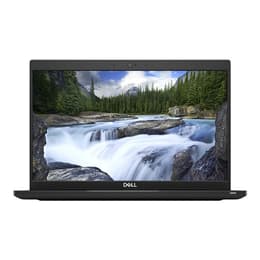
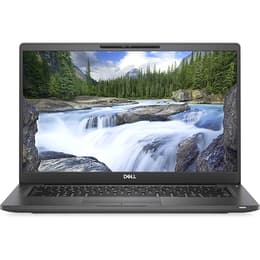
The Dell Latitude 7390 13 and the Dell Latitude 7400 14 are business-oriented laptops designed for productivity and portability. Released in 2018 and 2019 respectively, these devices offer a blend of robust build quality and practical features for professionals and students. While sharing a common lineage, the Latitude 7400 14 introduces refinements in design, connectivity, and potential performance, building upon the solid foundation of its predecessor. Both models are available as quality-assured refurbished options, providing an eco-friendly alternative for users seeking reliable technology.
When considering the longevity of these laptops, their release timelines and Dell's support cycles are key factors. The Dell Latitude 7390 13, launched in 2018, and the Dell Latitude 7400 14, released in 2019, both benefit from Dell's commitment to business-class device support, which typically includes several years of driver and security updates.
Release year
Last Os Compatibility
Operating system
Both the Dell Latitude 7390 13 and the Dell Latitude 7400 14 are equipped with 8th generation Intel Core processors, providing capable performance for everyday business and academic tasks. The 7400 14 typically features the slightly newer Whiskey Lake architecture, while the 7390 13 uses Kaby Lake R, though real-world performance differences for general use are often subtle.
Graphic card
The visual experience on these laptops is tailored for productivity, with both offering Full HD displays. The primary distinction lies in screen size and some panel characteristics.
Resolution
Screen type
For communication and media consumption, both Dell Latitude models offer standard features suitable for business and personal use.
Beyond core performance and display, several practical elements differentiate these two Latitude models, impacting daily usability and connectivity.
Weight
Screen size
The Dell Latitude 7390 13 and 7400 14 both stand as capable business laptops, each with distinct advantages. Users frequently praise the Latitude 7400 14 for its excellent battery life and refined design with narrower bezels, making it a strong choice for those who prioritize portability and extended use away from power outlets. Its consistent inclusion of Thunderbolt 3 is also a common point of appreciation for users needing versatile high-speed connectivity. Some users, however, note that the 7400 14's fan can be audible under load.
The Latitude 7390 13 is often lauded for its robust build and the convenience of a built-in Ethernet port, which is a practical feature for many business environments. While its design is slightly older, its performance remains solid for general productivity tasks. Some criticisms for the 7390 13 include a potentially less comfortable keyboard for extended typing sessions and speakers that may not meet all expectations.
Users prioritizing a slightly larger screen, more modern design with narrower bezels, and advanced connectivity like Thunderbolt 3 will find the Latitude 7400 14 well-suited to their needs. Those who value a slightly lighter device, a dedicated Ethernet port, and a proven, robust design might lean towards the Latitude 7390 13. Both models offer reliable performance for professionals and students, and considering a refurbished option for either can be a sustainable choice for acquiring a quality device.