
Dell Latitude 7400 14" vs Lenovo ThinkPad X1 Carbon G9 14"

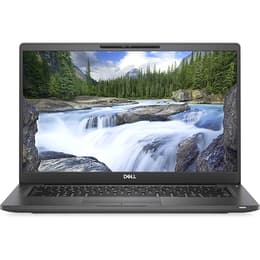
Dell Latitude 7400 14"
See options
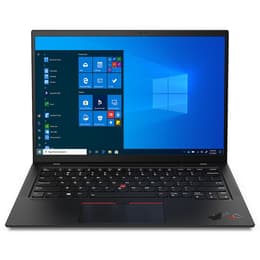
Lenovo ThinkPad X1 Carbon G9 14"
Starting at

Refurbished price:A$631.00

Versus A$3,837.00 new

See options

The Dell Latitude 7400 14-inch, released in 2019, and the Lenovo ThinkPad X1 Carbon Gen 9 14-inch, launched in 2021, are both business-oriented laptops designed for productivity and portability. While both offer a 14-inch form factor and run on the Windows operating system, the two-year difference in their release timelines brings notable distinctions in their internal components, display technology, and overall user experience. This comparison will delve into their practical differences to help users determine which device best suits their needs.

Scores

Durability

The expected lifespan of a laptop is influenced by its release year, software support, and physical durability. The Dell Latitude 7400, being a 2019 model, and the Lenovo ThinkPad X1 Carbon Gen 9, released in 2021, have different starting points for their support cycles.

  • Software Longevity: The ThinkPad X1 Carbon Gen 9 benefits from a later release, meaning it will likely receive operating system updates and security patches for a longer duration than the Latitude 7400. While both are business-grade machines known for extended support, the newer model inherently offers a longer runway for software compatibility.
  • Physical Durability: Both laptops are built to withstand the rigors of professional use. The Latitude 7400 features robust aluminum or carbon fiber construction, contributing to its sturdy feel. The ThinkPad X1 Carbon Gen 9 utilizes a carbon fiber lid and magnesium alloy base, and has undergone MIL-STD 810G testing for resilience against environmental factors.
  • Repairability: Business laptops generally offer reasonable repairability. While specific repair scores can vary, both manufacturers typically design their Latitude and ThinkPad lines with serviceability in mind. However, the ThinkPad X1 Carbon Gen 9's RAM is soldered to the motherboard, which limits upgrade options, whereas some configurations of the Latitude 7400 may allow for RAM upgrades.

Release year

2018

2020

Last Os Compatibility

Yes

Yes

Operating system

Windows 11

Windows 11

Performance

Performance is a key differentiator, largely due to the generational gap in their core components. The ThinkPad X1 Carbon Gen 9 offers a more modern computing experience compared to the Latitude 7400.

  • Processing Power: The Latitude 7400 is equipped with 8th-generation Intel Core processors, with some configurations featuring 10th-generation options. The ThinkPad X1 Carbon Gen 9, on the other hand, features 11th-generation Intel Core processors. This newer generation processor in the X1 Carbon Gen 9 provides enhanced speed and efficiency, resulting in quicker application loading, smoother multitasking, and more responsive overall system performance.
  • Graphics Capabilities: The Latitude 7400 relies on integrated Intel UHD Graphics 620, suitable for everyday tasks and light multimedia. The ThinkPad X1 Carbon Gen 9 integrates Intel Iris Xe Graphics, which offers improved performance for tasks like photo editing, casual gaming, and handling multiple high-resolution displays.
  • Storage and Memory: Both devices offer fast NVMe PCIe SSD storage, with the ThinkPad X1 Carbon Gen 9 supporting PCIe 4.0 for potentially faster data transfer speeds. The Latitude 7400 supports up to 32GB of DDR4 RAM, while the X1 Carbon Gen 9 offers up to 32GB of LPDDR4x RAM, which is soldered and not user-upgradable.

Memory (GB)

8 GB

16 GB

Processor

Core i5 - Gen 8 (U)

Core i5-1135G7

Graphic card

Integrated Graphics

Integrated Graphics

Screen quality

The visual experience on both laptops is designed for productivity, but the ThinkPad X1 Carbon Gen 9 introduces a more modern aspect ratio and higher-resolution options.

  • Display Technology and Aspect Ratio: The Latitude 7400 typically features 14-inch Full HD (1920x1080) IPS or TN panels with a 16:9 aspect ratio. The ThinkPad X1 Carbon Gen 9 upgrades to a 14-inch 16:10 aspect ratio display, offering more vertical screen real estate, which can be beneficial for document work and web browsing.
  • Resolution and Brightness: While both offer Full HD resolution options, the X1 Carbon Gen 9 also provides higher-resolution WQUXGA (3840x2400) panels. Brightness levels for the Latitude 7400 generally range from 220 to 300 nits. The X1 Carbon Gen 9 offers options up to 500 nits, including PrivacyGuard displays, which can improve visibility in bright environments and offer enhanced privacy.
  • Visual Comfort: Both devices aim for comfortable viewing. The Latitude 7400's display has been noted for not using PWM (Pulse Width Modulation) for brightness adjustment, which can reduce eye strain for some users. The X1 Carbon Gen 9 also offers low blue-light panels to minimize eye fatigue during extended use.

Resolution

1920 x 1080

1920 x 1200

Screen type

LCD

IPS

Camera

Audiovisual

For communication and media consumption, both laptops include standard features, with the ThinkPad X1 Carbon Gen 9 offering some advancements in audio.

  • Camera System: Both the Dell Latitude 7400 and the Lenovo ThinkPad X1 Carbon Gen 9 typically feature a 720p HD webcam, suitable for video conferencing. The X1 Carbon Gen 9 also offers an optional IR camera for facial recognition, enhancing security and convenience. Some users have noted that the webcam quality on the X1 Carbon Gen 9 could be better despite its newer release.
  • Audio Experience: The Latitude 7400 comes with standard stereo speakers. The ThinkPad X1 Carbon Gen 9 features a Dolby Atmos Speaker System with two woofers and two tweeters, providing a richer audio experience for media consumption and calls. It also incorporates Dolby Voice and a quad-microphone array for clearer voice pickup and noise cancellation during virtual meetings.
  • Microphone Quality: The Latitude 7400 includes a microphone for calls. The X1 Carbon Gen 9's quad-microphone array with 360-degree far-field capability and Dolby Voice technology aims to deliver superior microphone performance, making it well-suited for professional communication in various environments.

Miscellaneous

Beyond core performance and display, several practical elements contribute to the overall user experience and connectivity of these laptops.

  • Connectivity Options: The Latitude 7400 supports Wi-Fi 5 (802.11ac) or optional Wi-Fi 6, and Bluetooth 5.0. The ThinkPad X1 Carbon Gen 9 features Wi-Fi 6 (AX201) and Bluetooth 5.1, with optional 5G or 4G WWAN for enhanced mobile connectivity.
  • Port Selection: The Latitude 7400 includes a Thunderbolt 3 port, two USB-A 3.1 Gen 1 ports, HDMI 1.4a, and a microSD card reader. The X1 Carbon Gen 9 offers two Thunderbolt 4 / USB4 ports, two USB-A 3.2 Gen 1 ports, and HDMI 2.0. Notably, it lacks a built-in SD card reader.
  • Physical Attributes: The Latitude 7400 weighs approximately 1.35 kg to 1.535 kg. The ThinkPad X1 Carbon Gen 9 is lighter, starting at around 1.133 kg, making it highly portable. Both offer security features like fingerprint readers and webcam privacy shutters.

Weight

1360 oz

7500 oz

Screen size

14

14

The Dell Latitude 7400 and Lenovo ThinkPad X1 Carbon Gen 9 both cater to business users, but their differing release years create distinct profiles. Users often praise the Latitude 7400 for its robust build quality and impressive battery life, with some configurations offering extended endurance for long workdays. Its comfortable keyboard is also a frequently highlighted positive. However, some users note that certain display options might have lower brightness, and fan noise can be a minor concern under heavy load.

The ThinkPad X1 Carbon Gen 9 receives acclaim for its exceptionally lightweight and slim design, making it a top choice for portability. Its class-leading keyboard, improved 16:10 aspect ratio display options, and powerful 11th-generation processors are also highly regarded. Criticisms sometimes point to the 720p webcam quality and the absence of an SD card slot.

Users prioritizing a slightly more established, sturdy workhorse with a microSD card slot and potentially upgradable RAM may find the Dell Latitude 7400 well-suited to their needs. Those who value cutting-edge performance, a lighter chassis, a modern 16:10 display, and superior audio for conferencing will likely lean towards the Lenovo ThinkPad X1 Carbon Gen 9. Both devices offer a reliable computing experience, and considering a quality-assured refurbished option for either model can be a sustainable choice for budget-conscious individuals.


See all articles

Our recent comparisons