iPhone
Compare models
Differences at a glance
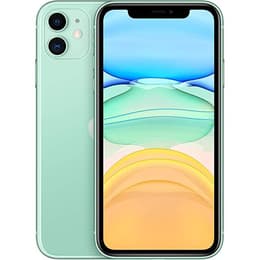
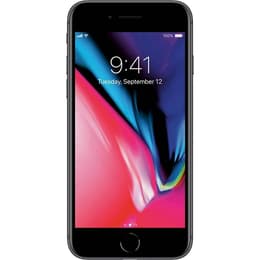
The iPhone 11, released in September 2019, and the iPhone 8, launched in September 2017, represent different generations of Apple's smartphone lineup. While both devices operate on the iOS ecosystem, the iPhone 11 introduces a larger display, an enhanced camera system, and a more capable internal processor compared to its predecessor. These differences cater to varying user needs and expectations from a smartphone.
Colour
Storage (GB)
When considering the longevity of these devices, their release timelines and software support are key factors. The iPhone 11, being a newer model, benefits from a longer expected period of software updates and security patches.
Release year
Compatible with latest Update
Operating system
Foldable
The internal components of the iPhone 11 and iPhone 8 contribute to distinct performance capabilities, particularly noticeable in demanding applications and multitasking scenarios.
The visual experience on the iPhone 11 and iPhone 8 differs primarily in screen size and display technology, impacting overall viewing and interaction.
Resolution
Screen type
The camera systems are a significant point of divergence, with the iPhone 11 offering a more versatile setup for photography and videography compared to the iPhone 8.
Main camera
Front camera
Beyond core features, several practical elements distinguish the user experience between the iPhone 11 and iPhone 8, from connectivity to physical design.
Weight
Screen size (in)
SIM card
Carrier compatibility
Connector
The iPhone 11 and iPhone 8 cater to different user priorities, largely due to their generational gap in technology and design. Users frequently praise the iPhone 11 for its significantly improved camera capabilities, especially the addition of an Ultra Wide lens and Night mode, which enhances photography in various conditions. Its extended software support and more powerful processor are also commonly highlighted as benefits for long-term usability and performance with modern applications. Some users note its larger screen as a positive for media consumption and general interaction.
Conversely, the iPhone 8 is often appreciated by users who prefer a more compact form factor and the familiarity of Touch ID and a physical home button. While its performance was considered strong at its release, some users have reported that its battery life can be a concern with heavy usage, and its camera system, while capable, shows its age compared to newer models, particularly in low light. Its lack of support for the latest iOS versions means it will miss out on new features and some app compatibility over time.
Users prioritizing advanced photography features, a larger display, and a longer lifespan for software updates may find the iPhone 11 better suited to their needs. Those who prefer a smaller, lighter device with a physical home button and are less concerned with having the absolute latest software or camera technology might lean towards the iPhone 8. For those seeking a device that balances modern features with a more sustainable choice, considering a quality-assured refurbished option for either model can be a practical approach.