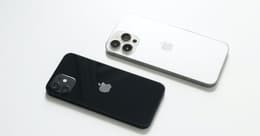
iPhone
Compare models
Differences at a glance
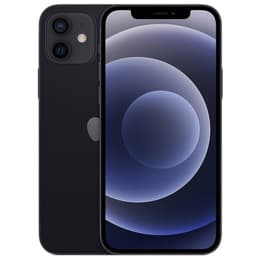
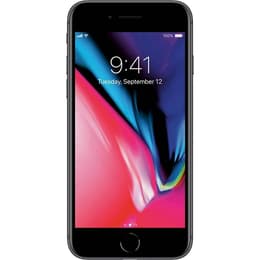
The iPhone 12, released in October 2020, and the iPhone 8, launched in September 2017, represent different generations of Apple's smartphone evolution. While both devices operate on Apple's iOS platform, the iPhone 12 introduced significant advancements in display technology, processing power, and camera capabilities, alongside a refreshed design. The iPhone 8, on the other hand, maintained a classic iPhone aesthetic with its physical home button and LCD display.
Colour
Storage
When considering the practical lifespan of these devices, several factors come into play, primarily their release timelines and ongoing software support.
Release year
Compatible with latest Update
Operating system
Foldable
The performance of these two smartphones reflects the advancements in mobile processing technology over several years.
The visual experience differs notably between these two iPhone models, primarily due to their display technologies.
Resolution
Screen type
The camera systems on the iPhone 12 and iPhone 8 reflect significant advancements in mobile photography over their respective release years.
Main camera
Front camera
Beyond core performance and display, several practical elements differentiate the iPhone 12 and iPhone 8.
Weight
Screen size (in)
SIM card
Carrier compatibility
Connector
The iPhone 12 and iPhone 8 cater to different user needs and priorities, largely due to the technological advancements made between their release dates. Users often praise the iPhone 12 for its vibrant OLED display, robust camera system with improved low-light capabilities, and faster performance, making it well-suited for media consumption, photography enthusiasts, and those who demand high performance for demanding applications. Its 5G connectivity also appeals to users seeking the latest network speeds. Some common criticisms for the iPhone 12 at its launch included its 60Hz display, which some competitors had surpassed, and its battery life compared to the Pro models.
The iPhone 8, while older, is still appreciated by users for its compact form factor, the familiarity and reliability of Touch ID, and its solid performance for everyday tasks. Its main criticisms in the current landscape revolve around its LCD display, single camera limitations, and the fact that it no longer receives major iOS updates, which impacts its long-term software longevity and access to new features. Users who prioritize a smaller device, prefer a physical home button, and have less demanding usage patterns may find the iPhone 8 still meets their needs.
Ultimately, users prioritizing a modern display, advanced camera features, and extended software support will find the iPhone 12 a more suitable choice. Those who prefer a more compact device with a classic design and Touch ID, and whose usage is less intensive, might still consider the iPhone 8. Both models, particularly when considering a quality-assured refurbished option, offer a sustainable choice for consumers looking to extend the life cycle of electronic products.