
iPhone
Compare models
Differences at a glance
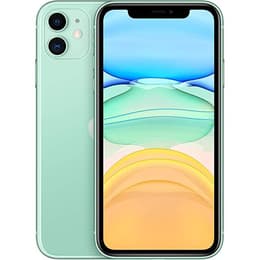
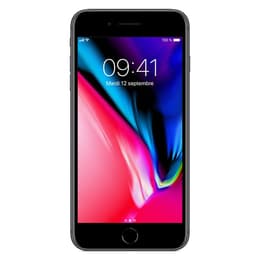
The iPhone 11, released in September 2019, and the iPhone 8 Plus, launched in September 2017, represent different generations of Apple's smartphone lineup. While both operate on the iOS platform and offer a familiar user experience, the iPhone 11 introduces a more modern design, an updated camera system, and enhanced internal components compared to its predecessor.
Colour
Storage (GB)
When considering the longevity of these devices, several factors come into play, including their release timelines, software support, and physical resilience.
Release year
Compatible with latest Update
Operating system
Foldable
The internal components of a smartphone significantly influence its responsiveness and ability to handle various tasks. These two models offer distinct performance profiles.
The display is a primary interface for any smartphone, and these two models present different viewing experiences.
Resolution
Screen type
Both devices offer capable camera systems, but the iPhone 11 introduces significant advancements in photography and videography.
Main camera
Front camera
Beyond core performance and display, several other features contribute to the overall user experience and practical utility of these smartphones.
Weight
Screen size (in)
SIM card
Carrier compatibility
Connector
User feedback often highlights the iPhone 11's strong camera performance, particularly its Night mode and ultra-wide lens, as a significant advantage. Many appreciate its improved battery life and the more immersive, modern display design. Common criticisms sometimes point to the display resolution not being as high as some competitors at its release, and the continued use of an LCD panel rather than OLED. Users of the iPhone 8 Plus frequently praise its familiar design, the reliability of Touch ID, and its still-capable performance for everyday tasks. Some common concerns for the 8 Plus revolve around its aging battery performance over time and its larger bezels compared to newer models.
Users prioritizing advanced photography features, especially in low light, and a more contemporary full-screen experience will find the iPhone 11 well-suited to their needs. Its extended software support timeline also makes it a more future-proof choice. Conversely, individuals who prefer the physical home button with Touch ID, a slightly sharper display for fine text, and a more traditional smartphone aesthetic might lean towards the iPhone 8 Plus. Both devices offer a robust iOS ecosystem experience, and opting for a quality-assured refurbished option can provide an eco-friendly alternative for either model, extending their useful life and reducing electronic waste.