Compare models
iPhone 16 Pro Max vs iPhone 17e
- 1-year warranty
- Free standard shipping
- Free 30-day returns
Differences at a glance
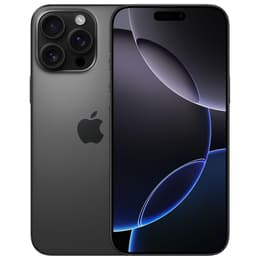
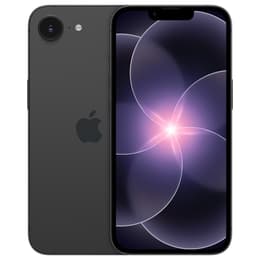
The iPhone 16 Pro Max (2024) and the iPhone 17e (2026) represent two distinct tiers within Apple's smartphone ecosystem. While the iPhone 16 Pro Max focuses on maximum screen real estate and advanced multi-lens photography, the iPhone 17e offers a streamlined, modern experience housed in a more compact form factor. Both devices run on current versions of iOS and support intelligent software assistants, yet they cater to different daily usage preferences through contrasting hardware choices.
Available Models
Colour
Storage (GB)
Scores
Durability
When evaluating hardware longevity and build durability, both devices offer robust construction and prolonged software support cycles typical of modern mobile engineering.
- Software longevity: Both smartphones receive regular operating system updates and security patches, though the newer release benefits from an extended overall support timeline.
- Repairability and build: The iPhone 16 Pro Max utilises grade-5 titanium framing with textured matte glass, whereas the iPhone 17e employs an aluminium frame with ceramic-shield protection glass, with both architectures scoring comparably for routine component servicing.
- Expected lifespan: Solid internal configurations and efficient thermal management ensure both models maintain reliable everyday operation across several years of consistent daily use.
Release year
2024
2026
Foldable
No
No
Performance
System responsiveness and everyday multitasking capabilities differ slightly based on internal component generations and memory configurations.
- App handling and multitasking: Both devices manage heavy applications, resource-intensive games, and split-screen tasks smoothly, maintaining fluid transitions across background processes thanks to generous memory allocations.
- Battery behaviour: The larger chassis of the iPhone 16 Pro Max accommodates a higher-capacity battery designed to easily sustain extended periods of media playback and heavy navigation, while the iPhone 17e offers dependable daily endurance for standard mixed usage patterns.
- Storage capacity: Storage tiers start at generous baselines, ensuring ample space for offline media libraries, high-resolution document storage, and large application files without frequent cleanup.
Screen quality
Visual immersion and panel characteristics vary significantly between the two models, primarily driven by physical dimensions and technology integration.
- Display technology: Both options feature vibrant OLED panels with deep black levels and crisp text rendering, though the iPhone 16 Pro Max implements a higher peak brightness range for comfortable outdoor viewing under direct sunlight.
- Refresh rate and smoothness: The iPhone 16 Pro Max supports adaptive high refresh rate technology for fluid scrolling and motion clarity, while the iPhone 17e utilises a standard refresh rate configuration paired with a traditional notch design.
- Viewing space: The expansive 6.9-inch display on the iPhone 16 Pro Max suits media enthusiasts and split-window multitasking, contrasted by the more pocket-friendly 6.1-inch panel of the iPhone 17e.
Resolution
1320 x 2868
2532 x 1170
Audiovisual
Imaging hardware and acoustic output cater to different priorities, ranging from versatile professional framing to straightforward point-and-shoot simplicity.
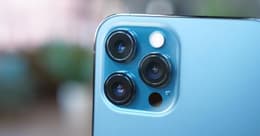
- Camera systems: The iPhone 16 Pro Max features a versatile triple-lens array including dedicated optical zoom capabilities, whereas the iPhone 17e opts for a streamlined single-lens high-resolution setup that relies on sensor cropping for focal length adjustments.
- Low-light and video: Both devices deliver clear low-light photography and stable high-definition video recording, though the multi-lens flagship provides greater flexibility for varied framing distances.
- Audio output: Integrated stereo speaker systems produce balanced sound reproduction for hands-free calls, casual media streaming, and podcast listening.
Front camera
12 megapixels
12 megapixels
Miscellaneous
Practical daily usability elements such as physical handling, connectivity standards, and biometric security shape the overall user experience.
- Handling and dimensions: The iPhone 16 Pro Max is noticeably heavier and larger, requiring two-handed operation for most users, whereas the lighter iPhone 17e fits more comfortably in smaller pockets and one-handed grips.
- Physical controls: Both models include customizable side action buttons for rapid shortcut execution, while the older flagship retains a dedicated tactile camera shutter control surface on the frame.
- Connectivity and ports: Universal USB-C charging ports, fast wireless charging compatibility, and modern 5G network support come standard across both devices.
Weight
227 oz
169 oz
Screen size (in)
6.9
6.1
Network
5G
5G
SIM card
eSIM
eSIM
Carrier compatibility
Unlocked
Unlocked
Connector
USB-C (USB 3)
USB-C (USB 2)
What the community thinks
Community discussions and user feedback indicate that consumer satisfaction largely depends on physical size preferences and camera versatility. Users prioritizing a massive viewing workspace, advanced multi-lens zoom photography, and sustained battery longevity frequently praise the capabilities of the iPhone 16 Pro Max. Conversely, users who favour a lighter, more compact device for one-handed daily handling often gravitate toward the streamlined nature of the iPhone 17e. Choosing between them comes down to balancing physical dimensions against specific media and photographic needs.
For those looking to make a sustainable choice, opting for a quality-assured refurbished option provides a reliable path to acquiring high-end mobile technology while reducing electronic waste. Both models offer strong performance foundations, ensuring that buyers can select the device that best matches their individual ergonomic and functional preferences without compromise.