Compare models

iPhone 15 vs iPhone 17e

  • 1-year warranty
  • Free standard shipping
  • Free 30-day returns
iPhone 15
Starting at

Refurbished price:A$663.00

Versus A$1,249.00 new

See options

Differences at a glance

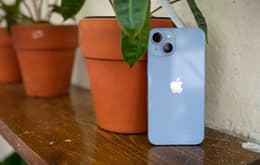
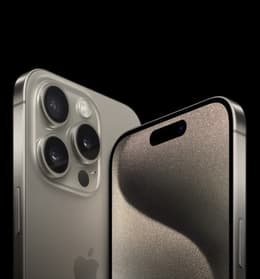
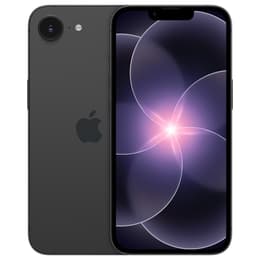
The iPhone 15 (2023) and iPhone 17e (2026) are modern 6.1-inch smartphones from Apple that cater to different generations of device philosophy. While both run on iOS and share a familiar form factor, they differ primarily in their internal hardware capabilities, release timelines, and multi-camera versus single-camera configurations. This comparison examines how their practical features and everyday capabilities align with different user requirements.

Available Models

Colour

Storage (GB)

Scores

Durability

When evaluating longevity, the iPhone 17e benefits from a newer release year and extended software support horizon compared to the iPhone 15. Both models feature robust build materials and reliable repair ecosystems, though their active support windows will naturally differ.

  • Software Support Window: The iPhone 17e starts its lifecycle with a later baseline, ensuring prolonged access to operating system updates compared to the older iPhone 15.
  • Repairability and Build: Both devices utilize durable glass and metal construction alongside official parts pairing ecosystems, contributing to predictable long-term maintenance.
  • Expected Lifespan: Users seeking maximum software longevity will find the newer release timeline of the iPhone 17e provides an extended operational window.

Release year

2023

2026

Operating system

iOS

iOS

Foldable

No

No

Performance

Performance capabilities diverge significantly due to the generational gap between the internal processors powering each smartphone. The iPhone 17e handles demanding apps, heavy multitasking, and modern computational workloads with greater headroom than the iPhone 15.

  • Multitasking and Memory: The iPhone 17e features increased random access memory, allowing background applications to stay active longer without reloading.
  • App Responsiveness: The iPhone 17e executes intensive tasks and graphics-heavy software with enhanced fluidity, while the iPhone 15 manages daily messaging, browsing, and standard streaming smoothly.
  • Battery Behavior: The iPhone 17e incorporates a larger battery capacity that easily sustains a full day of mixed usage, whereas the iPhone 15 relies on a more compact power cell that may require a top-up during heavy workdays.

Screen quality

Both smartphones feature 6.1-inch OLED displays that deliver sharp text, deep contrast levels, and vibrant colors for daily viewing. However, peak brightness parameters and outdoor visibility nuances vary slightly between the two generations.

  • Display Technology: Both devices use high-clarity OLED panels with wide color support, ensuring accurate colors and wide viewing angles for media consumption.
  • Outdoor Legibility: The iPhone 17e reaches higher peak brightness thresholds in bright sunlight, making on-screen content easier to read outdoors.
  • Visual Smoothness: Both screens maintain standard refresh rates, rendering scrolling and interface navigation consistently responsive for everyday tasks.

Resolution

1179 x 2556

2532 x 1170

Audiovisual

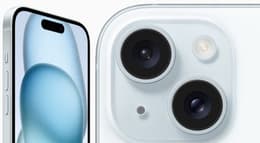
The imaging systems on these devices take distinct approaches to photography and video recording, catering to varied media creation habits. The iPhone 15 offers a dual-lens layout, whereas the iPhone 17e focuses on a singular high-resolution main sensor configuration.

  • Lens Versatility: The iPhone 15 includes a dedicated ultra-wide lens for capturing expansive landscapes, an option absent on the single-camera iPhone 17e.
  • Everyday Photography: Both models excel at capturing sharp daylight photos and managing low-light scenes through advanced image processing algorithms.
  • Video and Audio: Both units support high-resolution video capture with stabilization features and clear stereo sound recording for memories or social sharing.

Front camera

12 megapixels

12 megapixels

Miscellaneous

Practical daily usability elements, such as connectivity standards, physical dimensions, and charging accessories, share broad similarities alongside subtle generational improvements. Both models embrace universal connector standards and robust water resistance ratings.

  • Physical Dimensions: Both devices share nearly identical height, width, and weight profiles, ensuring they fit comfortably in pockets and standard protective cases.
  • Connectivity and Ports: Both units utilize standard USB-C charging ports and support rapid cellular data connections alongside modern wireless protocols.
  • Security and Sensors: Both smartphones rely on responsive facial recognition technology for secure authentication and device unlocking.

Weight

171 oz

169 oz

Screen size (in)

6.1

6.1

Network

5G

5G

SIM card

Physical SIM + eSIM

eSIM

Carrier compatibility

Unlocked

Unlocked

Connector

USB-C (USB 2)

USB-C (USB 2)

What the community thinks

User discussions across community forums highlight distinct preferences depending on individual priorities. Owners of the iPhone 15 frequently praise its versatile dual-camera layout and balanced daily handling, though some note that battery endurance can run short under intensive workloads. Conversely, users leaning toward the iPhone 17e highlight its robust battery longevity, swift execution of demanding tasks, and extended support horizon as major daily advantages. Users prioritizing maximum processing headroom, longer software updates, and enduring daily battery life may prefer the iPhone 17e. Meanwhile, users who value a secondary ultra-wide camera lens for scenic photography will find the iPhone 15 well-suited to their needs. For consumers exploring sustainable options, choosing a quality-assured refurbished model provides an eco-friendly alternative that extends device lifecycles without compromising on core performance.