Compare models
Galaxy A34 vs iPhone SE (2020)
- 1-year warranty
- Free standard shipping
- Free 30-day returns
Differences at a glance
The Samsung Galaxy A34 (2023) and the Apple iPhone SE (2020) represent distinct approaches to everyday mobile technology, bridging different operating systems and release years. While the Galaxy A34 runs on Android with a modern, expansive design, the iPhone SE relies on iOS within a compact, classic form factor. These smartphones offer alternative pathways for users seeking reliable daily performance without stepping into top-tier flagship pricing.
Available Models
Colour
Storage (GB)
Scores
Durability
Evaluating software longevity and physical construction reveals notable generational differences in update timelines and daily endurance expectations.
- Release timeline and software support: The Galaxy A34 launched three years after the iPhone SE, granting it an extended window for incoming system updates and security patches.
- Repairability and physical build: Both models utilize durable frame materials and standard water resistance ratings, though replacement parts and service availability vary between the Android and iOS ecosystems.
- Expected practical lifespan: The newer release date of the Android device typically provides a longer operational runway for users keeping hardware for multiple years.
Release year
2023
2020
Compatible with latest Update
Yes
Yes
Operating system
Android
iOS
Foldable
No
No
Performance
System responsiveness and power management shape how each device handles multitasking, casual gaming, and routine software execution.
- Processor capabilities and multitasking: Both devices manage daily applications, web browsing, and media streaming smoothly, though the hardware architectures reflect their respective release years.
- Storage capacity choices: Multiple internal storage tiers accommodate various media library sizes, with select configurations supporting expandable storage via memory cards.
- Battery behavior in typical use: The larger physical footprint of the Android device houses a higher-capacity battery that easily outlasts the compact cell inside the iPhone SE during heavy daily routines.
Screen quality
Display technology creates a stark contrast in visual immersion, outdoor readability, and motion smoothness.
- Display technology and clarity: The Galaxy A34 utilizes a vibrant OLED panel with deep contrast levels, while the iPhone SE employs a traditional LCD screen with standard resolution.
- Brightness and outdoor visibility: Higher peak brightness capabilities on the Samsung display help maintain legibility under direct sunlight compared to the older Apple panel.
- Refresh rate and scrolling smoothness: A high refresh rate on the Galaxy A34 ensures fluid animations and scrolling transitions, contrasting with the standard refresh rate on the iPhone SE.
Resolution
1080 x 2340
750 x 1334
Screen type
Super AMOLED
Retina IPS LCD
Audiovisual
Optical hardware configurations vary significantly, offering distinct options for everyday photography and media creation.
- Rear camera versatility: The Galaxy A34 features a triple-lens array including a main sensor, ultra-wide option, and macro lens, whereas the iPhone SE relies on a single rear sensor.
- Video and low-light performance: Image stabilization helps both devices capture stable video clips, though multi-lens setups provide greater flexibility for framing different scenes.
- Audio and media consumption: Stereo speaker outputs on the Galaxy A34 deliver balanced sound for casual viewing, while the single-speaker setup on the iPhone SE offers standard call and media audio.
Main camera
48 megapixels
12 megapixels
Front camera
13 megapixels
7 megapixels
Miscellaneous
Physical dimensions, connectivity standards, and daily handling characteristics define the ergonomic profile of each handset.
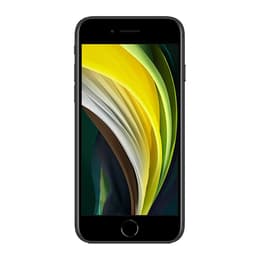
- Handling and dimensions: The iPhone SE features a lightweight, pocket-friendly compact chassis with physical home button navigation, while the Galaxy A34 offers a larger viewing workspace.
- Connectivity and ports: Modern 5G cellular connectivity is standard on the Galaxy A34, whereas the iPhone SE is restricted to 4G network speeds.
- Authentication sensors: Biometric security relies on facial recognition or optical fingerprint sensing on the Android device, compared to the traditional fingerprint sensor integrated into the Apple home button.
Weight
199 oz
148 oz
Screen size (in)
6,6
4.7
Network
5G
4G
SIM card
Physical SIM
Physical SIM + eSIM
Carrier compatibility
Unlocked
Unlocked
What the community thinks
User feedback from online communities highlights distinct preferences for each device based on physical size and ecosystem loyalty. Owners of the iPhone SE frequently praise its pocket-friendly dimensions, familiar physical button navigation, and reliable app ecosystem performance. Conversely, Galaxy A34 users emphasize the visual appeal of the large fluid display, reliable multi-day battery endurance, and flexible multi-lens camera array as major daily advantages. Frequent criticisms for the Apple model center around its limited battery capacity and dated screen bezels, while the Samsung device occasionally draws remarks regarding its larger physical footprint in smaller pockets.
Users prioritizing a compact form factor, physical home button, and iOS integration will find the iPhone SE well-suited to their preferences. Meanwhile, users prioritizing a spacious multimedia display, modern connectivity, and longer battery endurance will lean toward the Galaxy A34. Choosing a quality-assured refurbished option provides a sustainable, eco-friendly way to acquire either device while supporting thoughtful electronic consumption.