'%3e%3cpath%20fill='%2310338c'%20d='M0%200h40v26.67H0V0'/%3e%3cpath%20fill='%23fff'%20d='m9.899%2016.971.856%201.828%201.922-.455-.856%201.82%201.549%201.261-1.93.447.008%202.028-1.55-1.27-1.54%201.27.008-2.028-1.93-.447%201.548-1.26-.863-1.82%201.93.454.848-1.828m20.226%203.552.404.87.919-.215-.413.87.74.599-.919.207v.974l-.732-.607-.739.607.008-.974-.918-.207.739-.599-.412-.87.918.215.405-.87M25.097%209.986l.405.87.918-.215-.412.87.74.599-.92.215v.966l-.73-.607-.74.607.008-.966-.926-.215.739-.599-.412-.87.918.215.412-.87m5.028-7.2.404.87.919-.215-.413.87.74.598-.919.216V6.09l-.732-.607-.739.607.008-.966-.918-.216.739-.598-.412-.87.918.215.405-.87m4.552%205.245.405.87L36%208.685l-.413.87.74.599-.918.207v.974l-.732-.606-.74.606v-.974l-.918-.207.74-.599-.413-.87.919.216.412-.87m-2.91%205.26.319%201.014h1.035l-.84.623.326%201.013-.84-.63-.84.63.318-1.014-.833-.622h1.036l.319-1.014M19.922%200v2.443l-3.51%202.003h3.51V9.18h-4.599l4.6%202.618v1.828h-2.079l-5.72-3.264v3.264H7.799v-3.88l-6.802%203.88H0v-2.442L3.518%209.18H0V4.446h4.6L0%201.82V0h2.078l5.72%203.257V0h4.326v3.88L18.935%200h.988'/%3e%3cpath%20fill='%23d80027'%20d='M11.206%200h-2.49v5.532H0v2.554h8.716v5.54h2.49v-5.54h8.716V5.532h-8.716V0'/%3e%3cpath%20fill='%230052b4'%20d='m12.125%209.18%207.797%204.446v-1.26L14.335%209.18h-2.21'/%3e%3cpath%20fill='%23fff'%20d='m12.125%209.18%207.797%204.446v-1.26L14.335%209.18h-2.21'/%3e%3cpath%20fill='%23d80027'%20d='m12.125%209.18%207.797%204.446v-1.26L14.335%209.18h-2.21m-6.53%200L0%2012.365v1.261L7.798%209.18H5.595'/%3e%3cpath%20fill='%230052b4'%20d='M7.798%204.446%200%200v1.253l5.595%203.193h2.203'/%3e%3cpath%20fill='%23fff'%20d='M7.798%204.446%200%200v1.253l5.595%203.193h2.203'/%3e%3cpath%20fill='%23d80027'%20d='M7.798%204.446%200%200v1.253l5.595%203.193h2.203m6.537%200%205.587-3.193V0l-7.798%204.446h2.21'/%3e%3c/g%3e%3cdefs%3e%3cclipPath%20id='country-flag-au-a'%3e%3cpath%20fill='%23fff'%20d='M0%200h40v26.67H0z'/%3e%3c/clipPath%3e%3c/defs%3e%3c/svg%3e)
'%3e%3cpath%20fill='%23f0f0f0'%20d='M40%200H0v26.666h40V0'/%3e%3cpath%20fill='%23d80027'%20d='M40%200H0v8.889h40V0m0%2017.778H0v8.888h40v-8.888'/%3e%3c/g%3e%3cdefs%3e%3cclipPath%20id='country-flag-at-a'%3e%3cpath%20fill='%23fff'%20d='M0%200h40v26.67H0z'/%3e%3c/clipPath%3e%3c/defs%3e%3c/svg%3e)
'%3e%3cpath%20fill='%23ffda44'%20d='M40%200H0v26.67h40V0'/%3e%3cpath%20fill='%23000'%20d='M13.333%200H0v26.67h13.333V0'/%3e%3cpath%20fill='%23d80027'%20d='M40%200H26.667v26.67H40V0'/%3e%3c/g%3e%3cdefs%3e%3cclipPath%20id='country-flag-be-a'%3e%3cpath%20fill='%23fff'%20d='M0%200h40v26.67H0z'/%3e%3c/clipPath%3e%3c/defs%3e%3c/svg%3e)
'%3e%3cpath%20fill='%23000'%20d='M40%200H0v8.89h40V0'/%3e%3cpath%20fill='%23d80027'%20d='M40%208.89H0v8.89h40V8.89'/%3e%3cpath%20fill='%23ffda44'%20d='M40%2017.78H0v8.89h40v-8.89'/%3e%3c/g%3e%3cdefs%3e%3cclipPath%20id='country-flag-de-a'%3e%3cpath%20fill='%23fff'%20d='M0%200h40v26.67H0z'/%3e%3c/clipPath%3e%3c/defs%3e%3c/svg%3e)
'%3e%3cpath%20fill='%23ffda44'%20d='M40%200H0v26.667h40V0'/%3e%3cpath%20fill='%23d80027'%20d='M40%200H0v8.889h40V0m0%2017.777H0v8.89h40v-8.89'/%3e%3c/g%3e%3cdefs%3e%3cclipPath%20id='country-flag-es-a'%3e%3cpath%20fill='%23fff'%20d='M0%200h40v26.67H0z'/%3e%3c/clipPath%3e%3c/defs%3e%3c/svg%3e)
'%3e%3cpath%20fill='%23f0f0f0'%20d='M40%200H0v26.667h40V0'/%3e%3cpath%20fill='%232e52b2'%20d='M40%2011.667V15H14.348v11.667h-3.334V15H0v-3.333h11.014V0h3.334v11.667H40'/%3e%3c/g%3e%3cdefs%3e%3cclipPath%20id='country-flag-fi-a'%3e%3cpath%20fill='%23fff'%20d='M0%200h40v26.67H0z'/%3e%3c/clipPath%3e%3c/defs%3e%3c/svg%3e)
'%3e%3cpath%20fill='%23f0f0f0'%20d='M40%200H0v26.667h40V0'/%3e%3cpath%20fill='%230052b4'%20d='M13.333%200H0v26.667h13.333V0'/%3e%3cpath%20fill='%23d80027'%20d='M40%200H26.667v26.667H40V0'/%3e%3c/g%3e%3cdefs%3e%3cclipPath%20id='country-flag-fr-a'%3e%3cpath%20fill='%23fff'%20d='M0%200h40v26.67H0z'/%3e%3c/clipPath%3e%3c/defs%3e%3c/svg%3e)
'%3e%3cpath%20fill='%23f0f0f0'%20d='M40%200H0v26.667h40V0'/%3e%3cpath%20fill='%23d80027'%20d='M22.5%200h-5v10.833H0v5h17.5v10.833h5V15.833H40v-5H22.5V0'/%3e%3cpath%20fill='%230052b4'%20d='M30.765%2017.97%2040%2023.102v-5.13h-9.235m-6.417-.002L40%2026.667v-2.459l-11.226-6.236h-4.426m11.482%208.694-11.482-6.38v6.38H35.83'/%3e%3cpath%20fill='%23f0f0f0'%20d='M24.348%2017.97%2040%2026.667v-2.459l-11.226-6.236h-4.426'/%3e%3cpath%20fill='%23d80027'%20d='M24.348%2017.97%2040%2026.667v-2.459l-11.226-6.236h-4.426'/%3e%3cpath%20fill='%230052b4'%20d='M7.058%2017.97%200%2021.891v-3.92h7.058m8.594%201.105v7.59H1.992l13.66-7.59'/%3e%3cpath%20fill='%23d80027'%20d='M11.226%2017.97%200%2024.208v2.46l15.652-8.696h-4.426'/%3e%3cpath%20fill='%230052b4'%20d='M9.235%208.696%200%203.565v5.13h9.235m6.417.001L0%200v2.459l11.226%206.237h4.426M4.17%200l11.482%206.38V0H4.17'/%3e%3cpath%20fill='%23f0f0f0'%20d='M15.652%208.696%200%200v2.459l11.226%206.237h4.426'/%3e%3cpath%20fill='%23d80027'%20d='M15.652%208.696%200%200v2.459l11.226%206.237h4.426'/%3e%3cpath%20fill='%230052b4'%20d='M32.942%208.696%2040%204.774v3.922h-7.058M24.348%207.59V0h13.66l-13.66%207.59'/%3e%3cpath%20fill='%23d80027'%20d='M28.774%208.696%2040%202.459V0L24.348%208.696h4.426'/%3e%3c/g%3e%3cdefs%3e%3cclipPath%20id='country-flag-gb-a'%3e%3cpath%20fill='%23fff'%20d='M0%200h40v26.67H0z'/%3e%3c/clipPath%3e%3c/defs%3e%3c/svg%3e)
'%3e%3cpath%20fill='%23f0f0f0'%20d='M40%200H0v26.666h40V0'/%3e%3cpath%20fill='%23338af3'%20d='M40%200H0v3.333h40V0m0%206.667H0V10h40V6.667m0%206.667H0v3.333h40v-3.334M40%2020H0v3.333h40V20'/%3e%3cpath%20fill='%23338af3'%20d='M14.782%200H0v13.334h14.782V0'/%3e%3cpath%20fill='%23f0f0f0'%20d='M14.782%205.186H0v2.962h14.782V5.186'/%3e%3cpath%20fill='%23f0f0f0'%20d='M8.872%200H5.91v13.334h2.962V0'/%3e%3c/g%3e%3cdefs%3e%3cclipPath%20id='country-flag-gr-a'%3e%3cpath%20fill='%23fff'%20d='M0%200h40v26.67H0z'/%3e%3c/clipPath%3e%3c/defs%3e%3c/svg%3e)
'%3e%3cpath%20fill='%23f0f0f0'%20d='M40%200H0v26.666h40V0'/%3e%3cpath%20fill='%236da544'%20d='M13.333%200H0v26.667h13.333V0'/%3e%3cpath%20fill='%23ff9811'%20d='M40%200H26.667v26.667H40V0'/%3e%3c/g%3e%3cdefs%3e%3cclipPath%20id='country-flag-ie-a'%3e%3cpath%20fill='%23fff'%20d='M0%200h40v26.67H0z'/%3e%3c/clipPath%3e%3c/defs%3e%3c/svg%3e)
'%3e%3cpath%20fill='%23f0f0f0'%20d='M26.667%200H0v26.667h40V0H26.667'/%3e%3cpath%20fill='%236da544'%20d='M13.333%200H0v26.667h13.333V0'/%3e%3cpath%20fill='%23d80027'%20d='M40%200H26.667v26.667H40V0'/%3e%3c/g%3e%3cdefs%3e%3cclipPath%20id='country-flag-it-a'%3e%3cpath%20fill='%23fff'%20d='M0%200h40v26.67H0z'/%3e%3c/clipPath%3e%3c/defs%3e%3c/svg%3e)
'%3e%3cpath%20fill='%23f0f0f0'%20fill-rule='evenodd'%20d='M0%20.86h40v26.67H0V.86'%20clip-rule='evenodd'/%3e%3cpath%20fill='%23d80027'%20d='M20%2021.835a8.5%208.5%200%201%200%200-17%208.5%208.5%200%200%200%200%2017'/%3e%3c/g%3e%3cdefs%3e%3cclipPath%20id='country-flag-jp-a'%3e%3cpath%20fill='%23fff'%20d='M0%200h40v26.67H0z'/%3e%3c/clipPath%3e%3c/defs%3e%3c/svg%3e)
'%3e%3cpath%20fill='%23a2001d'%20d='M40%200H0v8.89h40V0'/%3e%3cpath%20fill='%23f0f0f0'%20d='M40%208.89H0v8.89h40V8.89'/%3e%3cpath%20fill='%230052b4'%20d='M40%2017.78H0v8.89h40v-8.89'/%3e%3c/g%3e%3cdefs%3e%3cclipPath%20id='country-flag-nl-a'%3e%3cpath%20fill='%23fff'%20d='M0%200h40v26.67H0z'/%3e%3c/clipPath%3e%3c/defs%3e%3c/svg%3e)
'%3e%3cpath%20fill='%23d80027'%20d='M40%200H0v26.666h40V0'/%3e%3cpath%20fill='%236da544'%20d='M15.363%200v26.666H0V0h15.363'/%3e%3cpath%20fill='%23ffda44'%20d='M15.363%2018.335a5%205%200%201%200%200-10%205%205%200%200%200%200%2010'/%3e%3cpath%20fill='%23d80027'%20d='M12.55%2010.835v3.125a2.813%202.813%200%200%200%205.625%200v-3.125H12.55'/%3e%3cpath%20fill='%23f0f0f0'%20d='M15.362%2014.898a.94.94%200%200%201-.937-.938v-1.25H16.3v1.25a.94.94%200%200%201-.938.938'/%3e%3c/g%3e%3cdefs%3e%3cclipPath%20id='country-flag-pt-a'%3e%3cpath%20fill='%23fff'%20d='M0%200h40v26.67H0z'/%3e%3c/clipPath%3e%3c/defs%3e%3c/svg%3e)
'%3e%3cpath%20fill='%230052b4'%20d='M40%200H0v26.667h40V0'/%3e%3cpath%20fill='%23ffda44'%20d='M15%200h-5v10.833H0v5h10v10.834h5V15.833h25v-5H15V0'/%3e%3c/g%3e%3cdefs%3e%3cclipPath%20id='country-flag-se-a'%3e%3cpath%20fill='%23fff'%20d='M0%200h40v26.67H0z'/%3e%3c/clipPath%3e%3c/defs%3e%3c/svg%3e)
'%3e%3cpath%20fill='%23f0f0f0'%20d='M40%200H0v26.666h40V0'/%3e%3cpath%20fill='%230052b4'%20d='M40%208.696H0v9.275h40V8.696'/%3e%3cpath%20fill='%23d80027'%20d='M40%2017.97H0v8.696h40v-8.695'/%3e%3cpath%20fill='%23f0f0f0'%20d='M10.115%207.538v6.651c0%203.784%204.942%204.943%204.942%204.943S20%2017.972%2020%2014.189V7.538h-9.885'/%3e%3cpath%20fill='%23d80027'%20d='M11.416%207.733v6.402a2.7%202.7%200%200%200%20.283%201.21h6.717a2.7%202.7%200%200%200%20.283-1.21V7.733h-7.283'/%3e%3cpath%20fill='%23f0f0f0'%20d='M17.29%2012.196h-1.675v-1.115h1.116V9.965h-1.116V8.849H14.5v1.116h-1.115v1.116H14.5v1.115h-1.673v1.116H14.5v1.116h1.116v-1.116h1.674v-1.116'/%3e%3cpath%20fill='%230052b4'%20d='M13.221%2016.902a8%208%200%200%200%201.836.83%208%208%200%200%200%201.836-.83q1.09-.685%201.523-1.558a1.94%201.94%200%200%200-1.57-.306%201.953%201.953%200%200%200-3.576%200%201.96%201.96%200%200%200-1.57.306q.433.872%201.521%201.558'/%3e%3c/g%3e%3cdefs%3e%3cclipPath%20id='country-flag-sk-a'%3e%3cpath%20fill='%23fff'%20d='M0%200h40v26.67H0z'/%3e%3c/clipPath%3e%3c/defs%3e%3c/svg%3e)
'%3e%3cpath%20fill='%23f0f0f0'%20d='M40%200H0v26.667h40V0'/%3e%3cpath%20fill='%23d80027'%20d='M40%2024.5v2.1H0v-2.1h40m0-2.15H0v-2.1h40v2.1m0-4H0v-2.1h40v2.1m0-4H0v-2.1h40v2.1m0-4.25H0V8h40v2.1m0-4H0V4h40v2.1m0-4H0V0h40v2.1'/%3e%3cpath%20fill='%232e52b2'%20d='M20%200H0v14.36h20V0'/%3e%3cpath%20fill='%23f0f0f0'%20d='M1.927%2012.964H2.5l-.464.337.178.545L1.75%2013.51l-.464.336.178-.545L1%2012.964h.573L1.75%2012.42l.177.545m3.172%200h.573l-.464.337.177.545-.463-.336-.464.336.178-.545-.464-.337h.573l.177-.545.177.545m3.172%200h.573L8.38%2013.301l.177.545-.463-.336-.464.336.177-.545-.463-.337h.572l.178-.545.177.545m3.171%200h.574l-.464.337.177.545-.463-.336-.464.336.177-.545-.463-.337h.572l.178-.545.176.545m3.485%200H15.5l-.464.337.178.545-.464-.336-.464.336.178-.545L14%2012.964h.573l.177-.545.177.545m3.5%200H19l-.464.337.178.545-.464-.336-.464.336.178-.545-.464-.337h.573l.177-.545.177.545m-15-1.406H4l-.464.337.178.545-.464-.337-.464.337.178-.545L2.5%2011.558h.573l.177-.545.177.545m3.172%200h.573l-.464.337.177.545-.463-.337-.464.337.178-.545-.464-.337h.573l.177-.545.177.545m3.172%200h.573L9.88%2011.895l.177.545-.463-.337L9.13%2012.44l.177-.545-.463-.337h.572l.178-.545.177.545m3.171%200h.574l-.464.337.177.545-.463-.337-.464.337.177-.545-.463-.337h.572l.178-.545.176.545m3.485%200H17l-.464.337.178.545-.464-.337-.464.337.178-.545-.464-.337h.573l.177-.545.177.545m-14.5-1.57H2.5l-.464.337.178.545-.464-.337-.464.337.178-.545L1%209.988h.573L1.75%209.443l.177.545m3.172%200h.573l-.464.337.177.545-.463-.337-.464.337.178-.545-.464-.337h.573l.177-.545.177.545m3.172%200h.573L8.38%2010.325l.177.545-.463-.337L7.63%2010.87l.177-.545-.463-.337h.572l.178-.545.177.545m3.171%200h.574l-.464.337.177.545-.463-.337-.464.337.177-.545-.463-.337h.572l.178-.545.176.545m3.485%200H15.5l-.464.337.178.545-.464-.337-.464.337.178-.545L14%209.988h.573l.177-.545.177.545m3.5%200H19l-.464.337.178.545-.464-.337-.464.337.178-.545L17.5%209.988h.573l.177-.545.177.545m-15-1.43H4L3.536%208.895%203.714%209.44%203.25%209.103%202.786%209.44l.178-.545L2.5%208.558h.573L3.25%208.013l.177.545m3.172%200h.573L6.708%208.895%206.885%209.44%206.422%209.103%205.958%209.44l.178-.545-.464-.337h.573l.177-.545.177.545m3.172%200h.573L9.88%208.895l.177.545-.463-.337L9.13%209.44l.177-.545-.463-.337h.572l.178-.545.177.545m3.171%200h.574l-.464.337.177.545-.463-.337-.464.337.177-.545-.463-.337h.572l.178-.545.176.545m3.485%200H17l-.464.337.178.545-.464-.337-.464.337.178-.545L15.5%208.558h.573l.177-.545.177.545m-14.5-1.547H2.5L2.036%207.348l.178.545L1.75%207.556%201.286%207.893l.178-.545L1%207.011h.573L1.75%206.466l.177.545m3.172%200h.573L5.208%207.348l.177.545-.463-.337-.464.337.178-.545-.464-.337h.573l.177-.545.177.545m3.172%200h.573L8.38%207.348l.177.545-.463-.337L7.63%207.893l.177-.545-.463-.337h.572l.178-.545.177.545m3.171%200h.574l-.464.337.177.545-.463-.337-.464.337.177-.545-.463-.337h.572l.178-.545.176.545m3.485%200H15.5l-.464.337.178.545-.464-.337-.464.337.178-.545L14%207.011h.573l.177-.545.177.545m3.5%200H19l-.464.337.178.545-.464-.337-.464.337.178-.545L17.5%207.011h.573l.177-.545.177.545m-15-1.453H4L3.536%205.895%203.714%206.44%203.25%206.103%202.786%206.44l.178-.545L2.5%205.558h.573L3.25%205.013l.177.545m3.172%200h.573L6.708%205.895%206.885%206.44%206.422%206.103%205.958%206.44l.178-.545-.464-.337h.573l.177-.545.177.545m3.172%200h.573L9.88%205.895l.177.545-.463-.337L9.13%206.44l.177-.545-.463-.337h.572l.178-.545.177.545m3.171%200h.574l-.464.337.177.545-.463-.337-.464.337.177-.545-.463-.337h.572l.178-.545.176.545m3.485%200H17l-.464.337.178.545-.464-.337-.464.337.178-.545L15.5%205.558h.573l.177-.545.177.545m-14.5-1.523H2.5L2.036%204.37l.178.545L1.75%204.58%201.286%204.916l.178-.545L1%204.035h.573L1.75%203.49l.177.545m3.172%200h.573L5.208%204.37l.177.545L4.922%204.58%204.458%204.916l.178-.545-.464-.336h.573L4.922%203.49l.177.545m3.172%200h.573L8.38%204.37l.177.545L8.094%204.58%207.63%204.916l.177-.545-.463-.336h.572L8.094%203.49%208.27%204.035m3.171%200h.574L11.552%204.37l.177.545-.463-.337-.464.337.177-.545-.463-.336h.572l.178-.545.176.545m3.485%200H15.5L15.036%204.37l.178.545L14.75%204.58l-.464.337.178-.545L14%204.035h.573L14.75%203.49l.177.545m3.5%200H19L18.536%204.37l.178.545L18.25%204.58l-.464.337.178-.545L17.5%204.035h.573L18.25%203.49l.177.545m-15-1.477H4L3.536%202.895%203.714%203.44%203.25%203.103%202.786%203.44l.178-.545L2.5%202.558h.573L3.25%202.013l.177.545m3.172%200h.573L6.708%202.895%206.885%203.44%206.422%203.103%205.958%203.44l.178-.545-.464-.337h.573l.177-.545.177.545m3.172%200h.573L9.88%202.895l.177.545-.463-.337L9.13%203.44l.177-.545-.463-.337h.572l.178-.545.177.545m3.171%200h.574l-.464.337.177.545-.463-.337-.464.337.177-.545-.463-.337h.572l.178-.545.176.545m3.485%200H17l-.464.337.178.545-.464-.337-.464.337.178-.545L15.5%202.558h.573l.177-.545.177.545m-14.5-1.5H2.5L2.036%201.395%202.214%201.94%201.75%201.603%201.286%201.94l.178-.545L1%201.058h.573L1.75.513l.177.545m3.172%200h.573L5.208%201.395%205.385%201.94%204.922%201.603%204.458%201.94l.178-.545-.464-.337h.573l.177-.545.177.545m3.172%200h.573L8.38%201.395%208.557%201.94%208.094%201.603%207.63%201.94l.177-.545-.463-.337h.572l.178-.545.177.545m3.171%200h.574l-.464.337.177.545-.463-.337-.464.337.177-.545-.463-.337h.572l.178-.545.176.545m3.485%200H15.5l-.464.337.178.545-.464-.337-.464.337.178-.545L14%201.058h.573l.177-.545.177.545m3.5%200H19l-.464.337.178.545-.464-.337-.464.337.178-.545L17.5%201.058h.573l.177-.545.177.545'/%3e%3c/g%3e%3cdefs%3e%3cclipPath%20id='country-flag-us-a'%3e%3cpath%20fill='%23fff'%20d='M0%200h40v26.67H0z'/%3e%3c/clipPath%3e%3c/defs%3e%3c/svg%3e)


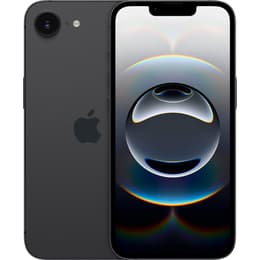
O iPhone 17e, lançado em março de 2026, é a versão mais acessível da linha iPhone 17, com um preço mais baixo e fácil acesso. Em comparação com o iPhone 16e, os destaques são o suporte a MagSafe e as melhorias no processador. No entanto, em relação ao iPhone 17 padrão, o iPhone 17e apresenta diferenças em termos de desempenho de câmera, variedade de cores e especificações de tela, por isso vale a pena fazer uma comparação completa antes de decidir. Como as diferenças e melhorias de desempenho em relação ao iPhone 16e são poucas, se você está pensando em comprar agora, um iPhone 16e recondicionado (refurbished) a um preço mais baixo também é uma boa opção.
iPhone 17e: Key Specs and Features
Here is an overview of the iPhone 17e's full specs. While the budget iPhone lineup was previously dominated by the iPhone SE series, this trend shifted with the launch of the iPhone 16e in 2025.
iPhone 17e Specs at a Glance
As a budget model within the iPhone 17 series, the iPhone 17e shares the same chip and processor as the standard iPhone 17. It also follows the iPhone 17 series' storage structure, with a minimum storage capacity of 256GB.
Basic Info | Details | Performance & Specs | Details |
Model | iPhone 17e | Processor | A19 Bionic (6-core CPU, 4-core GPU) |
Release Date | 11 March 2026 (Pre-orders from 4 March 2026) | Main Camera | 48MP wide-angle (no ultra-wide camera) |
OS | iOS | Front Camera | 12MP |
Colours | White, Black, Soft Pink | Battery | 4,005mAh (up to 26 hrs video playback) |
Storage | 256GB, 512GB | Connectivity | 5G |
RAM | 8GB | Biometrics | Face ID |
Display | 6.1-inch | Wireless Charging | Qi2 and MagSafe compatible |
Resolution | 2532 × 1170 | SIM | Dual eSIM (eSIM only) |
Dimensions | 146.7mm × 71.5mm × 7.8mm | Water Resistance | IP68 |
Weight | 169g | Dust Resistance | IP68 |
The iPhone 17e Is Based on the iPhone 14 and iPhone 16e
Budget iPhone models are typically built on an existing base model, reusing established components to keep costs lower than the standard lineup. The iPhone 16e was based on the iPhone 14, and the iPhone 17e follows a similar approach, drawing on both the iPhone 14 and iPhone 16e as its foundation.
Pre-release leaks had suggested the iPhone 17e might be based on the iPhone 15 — which would have meant the removal of the notch and the introduction of Dynamic Island — but this did not eventuate. Compared to the iPhone 16e, the 17e does bring notable additions such as MagSafe support and the more durable Ceramic Shield 2 front glass, though overall it remains a modest update.
Given that the performance improvement over the iPhone 16e is relatively minor, opting for a refurbished iPhone 16e from Back Market represents significantly better value than buying the iPhone 17e new.
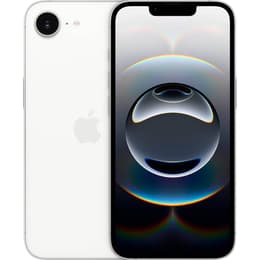
- (84)
Refurbished price:A$779.00
Versus A$1,199.00 new
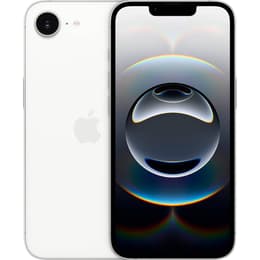
- (96)
Refurbished price:A$829.00
Versus A$1,199.00 new
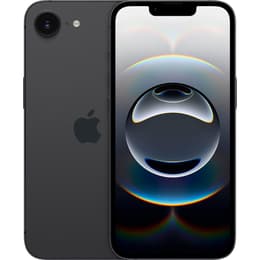
When Was the iPhone 17e Released?
Budget iPhone models are typically released between February and March each year. The iPhone SE (3rd Generation) launched in March 2022, and the iPhone 16e arrived in February 2025, so a late February release was widely anticipated for the iPhone 17e — however, Apple's announcement was slightly delayed, and the iPhone 17e officially launched on 11 March 2026.
iPhone 17e Release Date: 11 March 2026
The expectation was that, like the iPhone 16e, the 17e would be announced in the third week of February and ship shortly after. However, Apple's 2026 product event was held in March, pushing the launch back slightly.
Released Around the Same Time as the iPhone 16e
For reference, here is a comparison of the announcement, pre-order, and release dates for the iPhone 17e and iPhone 16e. While new iPhone models are sometimes unveiled at Apple events, budget models are often announced via press release rather than at a dedicated event.
iPhone 17e | iPhone 16e | |
Announcement Date | 3 March 2026 | 20 February 2025 |
Pre-Order Start | 4 March 2026 | 21 February 2025 |
Release Date | 11 March 2026 | 28 February 2025 |
The upcoming iPhone 18 is expected to launch alongside an iPhone 18e on a similar timeline.
What Are the Improvements and Advantages of the iPhone 17e Over the iPhone 16e?
The iPhone 17e brings several notable upgrades over the iPhone 16e, including the long-awaited addition of MagSafe charging.
Processor Improvement: Powered by the A19 Chip
The iPhone 16e featured the same A18 chip as the iPhone 16, which delivered strong performance for everyday tasks such as browsing, social media, and even demanding uses like gaming. The iPhone 17e steps up to the A19 chip — the same processor found in the standard iPhone 17.
While the A19 performs below the A19 Pro chip used in the iPhone 17 Pro and iPhone 17 Pro Max, it still achieves an AnTuTu Benchmark score above 2,000,000 — a meaningful improvement in processing speed over the iPhone 16e.
Display Improvement: Ceramic Shield 2, Same as the iPhone 17
The iPhone 17e adopts the same front glass as the iPhone 17 series — Ceramic Shield 2. Compared to the Ceramic Shield on the iPhone 16e, this offers three times the scratch resistance, making the display significantly more durable and resistant to cracks. However, beyond this durability upgrade, other display specs remain unchanged from the iPhone 16e: the 17e still lacks Dynamic Island and runs at a 60Hz refresh rate, so day-to-day usability will feel very similar.
Battery Improvement: MagSafe Support Added
MagSafe wireless charging is one of the standout new features of the iPhone 17e, bringing it in line with the broader iPhone 17 series. The iPhone 16e supported fast wired charging via USB-C but lacked MagSafe — a commonly criticised shortcoming.
For users who rely on MagSafe charging regularly, the iPhone 17e is the better choice over the 16e. That said, MagSafe charging speed on the 17e is capped at 15W, compared to up to 25W on the standard iPhone 17. Wired fast charging remains the same as the iPhone 16e, reaching up to 50% charge in around 30 minutes.
Camera Improvement: Next-Generation Portrait Mode
The iPhone 17e also introduces next-generation Portrait mode, which delivers improved background blur when photographing people, animals, and a variety of scenes. This feature — previously unavailable on single-camera setups — was first introduced with the iPhone Air in 2025 and has now been extended to the iPhone 17e despite its single wide-angle camera.
Refurbished price:A$970.00
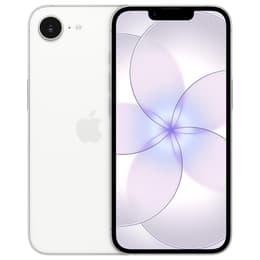
Many Specs Remain Unchanged Between the iPhone 16e and iPhone 17e
When the iPhone 16e launched in 2025, some users had hoped it would be an iPhone SE (4th Generation) with a home button and a lower price point. In reality, being based on the iPhone 14, it received a mixed reception.
That said, with the iPhone 17 series bringing higher prices and a minimum storage of 256GB, the standard lineup has become noticeably more expensive. For users who want a recent model at a more accessible price, the iPhone 16e remains a compelling option — and shares a lot in common with the iPhone 17e:
Display performance and size:
Identical specs aside from durability (Ceramic Shield 2 vs Ceramic Shield)
Rear and front cameras:
Almost identical — same megapixel count, with the only difference being next-generation Portrait mode on the 17e
Battery capacity:
Both support up to 26 hours of video playback
Charging connector:
Both use USB-C
AI features:
Both support Apple Intelligence
Pre-release leaks had suggested the iPhone 17e would feature an improved front camera, but in practice the front camera is the same as the iPhone 16e — a 12MP lens without Centre Stage support.
Battery life, another area where improvement was hoped for, is also unchanged from the iPhone 16e. For users who don't use MagSafe or wireless charging, the case for upgrading from an iPhone 16e to a 17e is not particularly strong.
Refurbished iPhone 16e units are increasingly available on Back Market, and with the launch of the iPhone 17 series and 17e, prices have continued to drop. If the processor upgrade, display durability, and MagSafe support don't feel like must-have improvements for you, a previous-generation model is well worth considering.
- (84)
Refurbished price:A$779.00
Versus A$1,199.00 new
- (96)
Refurbished price:A$829.00
Versus A$1,199.00 new
iPhone 17e Size and Weight Review
The iPhone 17e's dimensions and weight are nearly identical to the iPhone 16e. While the slim and lightweight iPhone Air has been attracting attention recently, its higher price point means that budget options like the iPhone 16e, 17e, SE series, and mini series continue to be popular choices.
Same Dimensions as the iPhone 14 and iPhone 16e
The iPhone 16e and iPhone 17e share exactly the same dimensions: 146.7mm tall, 71.5mm wide, and 7.8mm thick — the same as their base model, the iPhone 14.
The screen size is 6.1 inches, which is slightly smaller than the standard iPhone 17 (6.3 inches), though it remains a comfortable size for most users. The iPhone 16e and iPhone 14 also feature the same 6.1-inch display.
In terms of bezels, the iPhone 17e is comparable to older models like the iPhone 16 and 15. When placed next to the iPhone 17 — which has a larger display — the bezels on the 17e do appear noticeably thicker.
Slightly Lighter Thanks to the Single-Camera Setup
The iPhone 16e weighs 167g, and the iPhone 17e is similarly light at 169g, thanks to its single-camera design. The dual-camera iPhone 17 comes in at a heavier 177g.
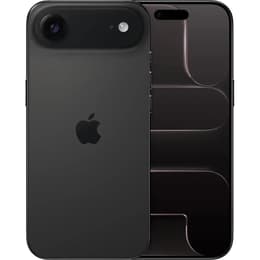
If you want both a lighter device and a larger screen, the iPhone Air is worth considering. It features the same single-camera layout, a 6.5-inch display, and weighs just 165g — making it comfortable to use one-handed. While its retail price is on the higher side, refurbished units on Back Market offer it at a much more accessible price point, starting from A$1,129.
Refurbished price:A$1,089.00
Versus A$1,499.00 new
iPhone 17e Appearance and Colour Review
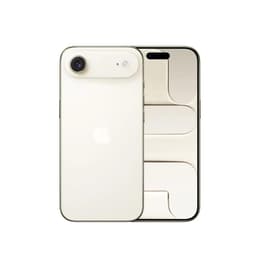
If appearance and colour are important factors in your decision, it's worth noting that the budget iPhone 17e comes in a limited colour range. While a new colour has been added to the lineup, the overall choice remains fairly restricted.
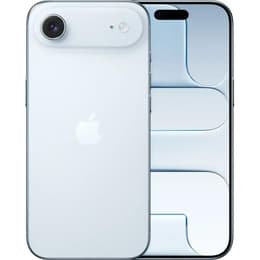
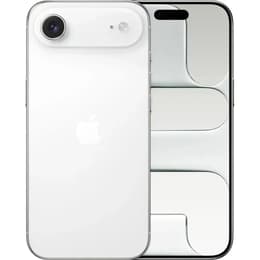
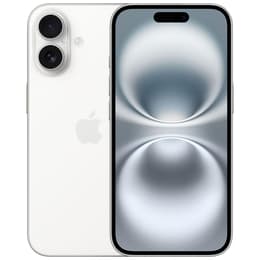
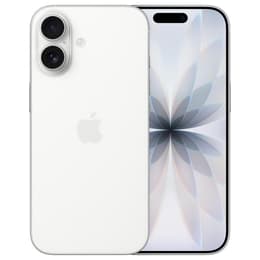
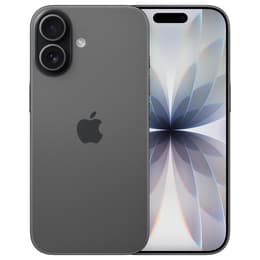
Available in Three Colours: White, Black, and Soft Pink

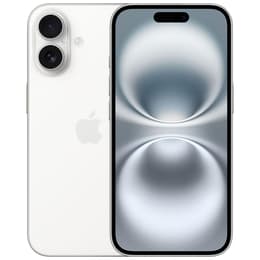
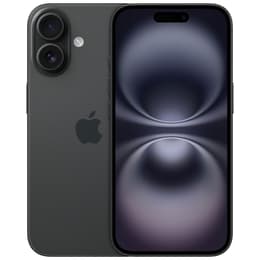
Like the iPhone 16e, the iPhone 17e is available in White and Black — both versatile, understated colours that work equally well in professional settings. New to the iPhone 17e lineup is Soft Pink, a colour reminiscent of the pink introduced in the iPhone 15 series.
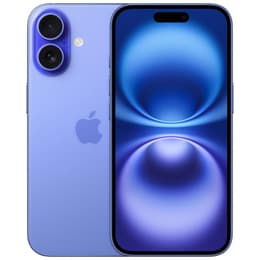
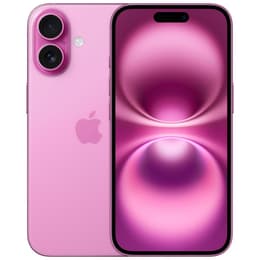
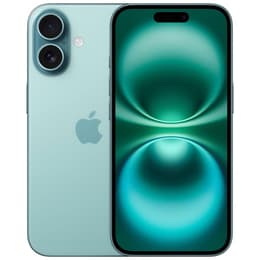
The iPhone 17 series also includes White and Black in the standard model, but offers a wider range of colours including Lavender and Mist Blue. If you use a phone case, colour may not be a deciding factor — but if you prefer something more distinctive, the standard iPhone 17 is worth exploring.
Action Button Included; Camera Control Button Not Available
The iPhone 17e features an Action Button on the side of the device, which can be customised for quick access to the camera, frequently used apps, or other shortcuts. However, the Camera Control button has not made it to the iPhone 17e.
The Camera Control button goes beyond a standard shutter — it also allows fine adjustments such as changing Photographic Styles and tone settings, making it a great feature for users who regularly take photos and videos. Unfortunately, it remains exclusive to higher-end models.
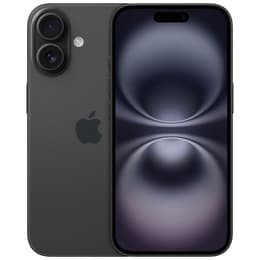
If you're looking to make the most of features like ultra-wide shooting, macro photography, and Camera Control, a refurbished iPhone 16 is a great alternative to consider.
- (76)
Refurbished price:A$955.00
Versus A$1,399.00 new
- (40)
Refurbished price:A$1,049.58
Versus A$1,599.00 new
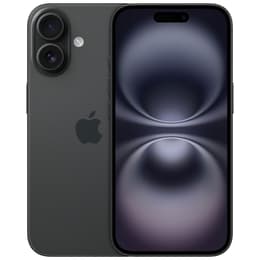
- (38)
Refurbished price:A$1,049.58
Versus A$1,599.00 new
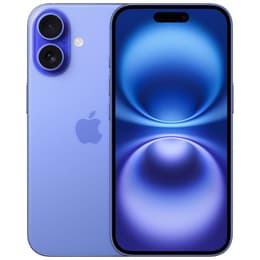
- (29)
Refurbished price:A$1,129.00
Versus A$1,599.00 new
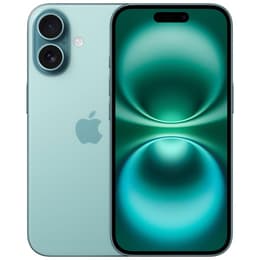
- (40)
Refurbished price:A$1,189.00
Versus A$1,599.00 new
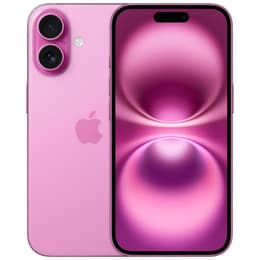
- (78)
Refurbished price:A$1,199.00
Versus A$1,599.00 new
iPhone 17e Display Review
Beyond the Ceramic Shield 2 durability upgrade mentioned earlier, the display specs of the iPhone 17e are otherwise unchanged from the iPhone 16e.
No Dynamic Island on the iPhone 17e
Dynamic Island — introduced with the iPhone 14 Pro and Pro Max and carried through to the iPhone 15 series — makes it easier to check notifications and control media playback, while also expanding the visible screen area by replacing the notch with a pill-shaped cutout. However, like the iPhone 16e before it, the iPhone 17e does not include Dynamic Island.
That said, many users find Dynamic Island unnecessary — in fact, a common complaint is that notifications appearing during video playback or gaming can be distracting. For users already familiar with older models like the iPhone 14 or the iPhone SE series, the absence of Dynamic Island may not be a dealbreaker.
Refresh Rate Remains at 60Hz
The refresh rate is also unchanged from the iPhone 16e, capped at 60Hz. This means screen motion is less smooth compared to devices with a 120Hz display. The 120Hz ProMotion display is available on select Pro models from the iPhone 13 series onwards, as well as on the iPhone 17 and iPhone Air.
The standard iPhone 17 is well regarded not just for its performance but also for its relatively accessible price point, making it strong value for money. While the Pro and Pro Max models are popular choices for gaming, the iPhone 17 handles demanding use cases with ease as well.
Back Market's Official YouTube Channel Features a Real-World Display Comparison
Back Market's official YouTube channel includes a hands-on video comparing the iPhone 17e and iPhone 16e displays in real-world use.
In terms of display performance and appearance, the iPhone 17e is on par with older models like the iPhone 13 and 14. The iPhone 17e and 16e both have a maximum brightness of 800 nits — not particularly high by today's standards. Outdoor visibility is perfectly adequate for reading text and everyday use, but the display is not especially bright.

The refresh rate and overall display performance are identical, so the experience when navigating the screen will feel exactly the same. For all practical purposes, you can consider both phones to have the same display.
Refurbished price:A$1,089.00
Versus A$1,499.00 new
- (1)
Refurbished price:A$1,250.00
Versus A$1,399.00 new
- (1)
Refurbished price:A$1,324.98
Versus A$1,399.00 new
- (2)
Refurbished price:A$1,609.00
Versus A$1,999.00 new
Refurbished price:A$1,649.00
Versus A$1,999.00 new
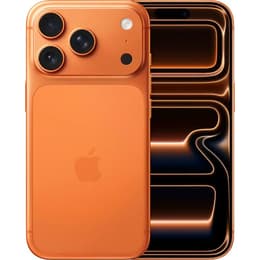
Refurbished price:A$1,783.98
Versus A$2,199.00 new
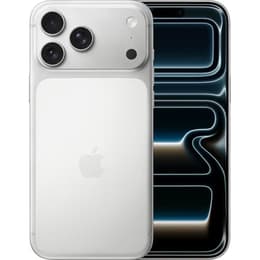
- (1)
Refurbished price:A$1,799.00
Versus A$1,999.00 new
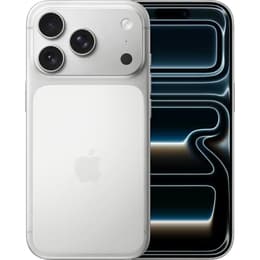
Refurbished price:A$1,899.00
Versus A$2,199.00 new
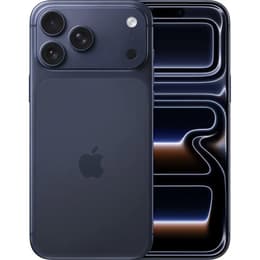
Refurbished price:A$1,899.00
Versus A$2,599.00 new
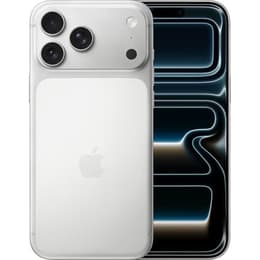
Refurbished price:A$1,899.00
Versus A$2,199.00 new
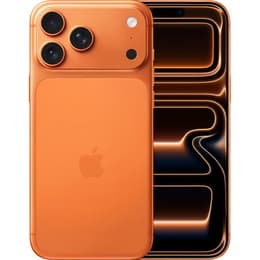
- (1)
Refurbished price:A$2,049.00
Versus A$2,399.00 new
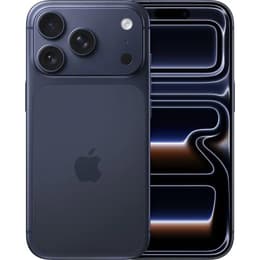
Refurbished price:A$2,079.00
Versus A$2,599.00 new
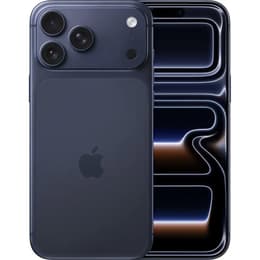
Refurbished price:A$2,099.00
Versus A$2,599.00 new
iPhone 17e Camera Review
The iPhone 17e's camera performance is largely on par with the iPhone 16e. Given its position as a budget model within the iPhone 17 series, an improvement to the front camera would have been welcome — but unfortunately, no upgrade was made.
Comparing Camera Performance: iPhone 17e vs iPhone 16e
Based on Back Market's hands-on YouTube comparison video, here is how the two models stack up in real-world shooting scenarios:
Standard conditions (outdoors and indoors): Still image quality is virtually identical
Low-light photography: Minor differences in noise, but overall image quality is comparable
Digital zoom: Both show noticeable degradation beyond 5× zoom
Video recording: Both support 4K at 60fps, with similar colour reproduction and dynamic range

While the iPhone 17e and 16e deliver near-identical camera performance, both are capable of producing great shots — whether you're photographing pets, landscapes, or coastal scenery — despite the single-camera setup.
Front Camera Specs Also Unchanged: No Centre Stage Support
The iPhone 17 series upgraded the front camera from 12MP to 18MP and added Centre Stage support, making it ideal for video calls and online meetings. It also introduced features like Dual Capture, allowing simultaneous recording from both the front and rear cameras.
The iPhone 17e's front camera, however, remains the same as the iPhone 16e — with the exception of next-generation Portrait mode. It does not support Centre Stage.
Rear Camera: Wide-Angle Only — Behind the iPhone 15 and 16
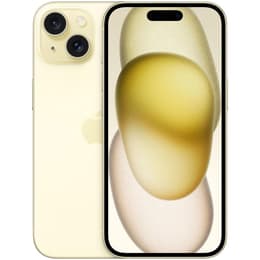
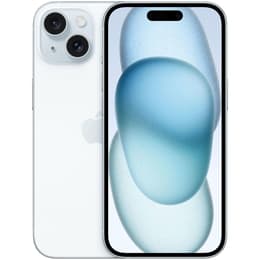
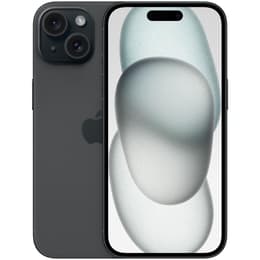
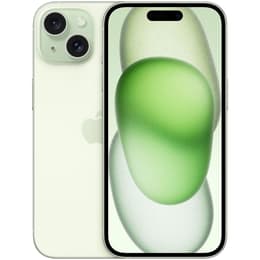
The rear camera falls short not only compared to the iPhone 17, but also to older models like the iPhone 15 and 16. There is no ultra-wide camera — only the single 48MP main wide-angle lens.
The main camera itself performs well, and users upgrading from a single-camera device like the iPhone SE series will likely be satisfied. However, if you want to shoot high-quality photos and videos across a variety of scenarios, the specs may feel limiting:
Macro photography:
Close-up shots of flowers and small subjects
Action mode:
Smooth video recording of moving scenes
Cinematic mode:
Portrait mode for video, with a cinematic depth-of-field effect
Ultra-wide shooting:
Broader field of view for landscapes and group shots
If any of these shooting modes are important to you, a single-camera model like the iPhone 17e may not be the right fit.
- (383)
Refurbished price:A$699.00
Versus A$1,249.00 new
- (379)
Refurbished price:A$699.00
Versus A$1,249.00 new
- (393)
Refurbished price:A$746.00
Versus A$1,449.00 new
- (301)
Refurbished price:A$699.00
Versus A$1,249.00 new
- (348)
Refurbished price:A$760.00
Versus A$1,449.00 new
- (390)
Refurbished price:A$774.18
Versus A$1,449.00 new
- (136)
Refurbished price:A$1,269.00
Versus A$1,799.00 new
iPhone 17e Battery Review
The biggest battery-related upgrade on the iPhone 17e is MagSafe support. However, battery life and charging speed remain identical to the iPhone 16e.
Now Compatible with MagSafe Wireless Charging — a Feature Missing from the iPhone 16e

MagSafe wireless charging is a popular feature among iPhone users, with common uses including mounting the phone on a MagSafe-compatible tripod, or using a car mount for simultaneous charging and navigation.
For iPhone 16e and SE series users who want MagSafe-style magnetic attachment, this is possible with a case that includes a built-in magnetic ring — but it does not support MagSafe charging itself. With the iPhone 17e, MagSafe charging works regardless of the case you use.
Strong Battery Life: Up to 26 Hours of Video Playback
Older budget models like the iPhone SE series were criticised for their smaller batteries and shorter battery life. The iPhone 16e and 17e both feature a 4,005mAh battery, capable of up to 26 hours of video playback.
For comparison, the iPhone 17 supports up to 30 hours and the iPhone 16 up to 22 hours of video playback — placing the iPhone 17e roughly in the middle between the two.
Fast Charging Speed Falls Short of the iPhone 17
The iPhone 16e and 17e share the same fast charging performance. The iPhone 17, iPhone 17 Pro, and Pro Max charge faster, reaching up to 50% in approximately 20 minutes.
The iPhone 17e reaches up to 50% charge in approximately 30 minutes with a 20W+ charger. If faster charging is a priority, the iPhone 17 is the better option.
iPhone 17e Biometric Authentication Review
In older iPhone models, fingerprint authentication via the home button was the standard. However, as iPhones have evolved to feature full-screen displays and improved water resistance, Face ID has become the norm.
Face ID Carried Over From the iPhone 14 and 16e Base
Since the iPhone 17e is built on the same foundation as the Face ID-equipped iPhone 14 and iPhone 16e, it naturally uses facial recognition for biometric authentication. The improved front camera also contributes to a smoother and more reliable Face ID experience.
Face ID was first introduced with the iPhone X. However, mask-compatible Face ID — which allows authentication while wearing a face mask — is only available on the iPhone 12 series and later. Older models may also no longer receive iOS updates and can feel limiting in day-to-day use, so if you're looking for a new primary smartphone, the iPhone 12 series or newer is recommended.
Prefer a Home Button and Fingerprint Authentication? The iPhone SE Series Is the Way to Go
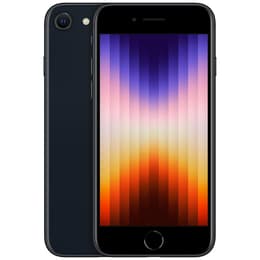
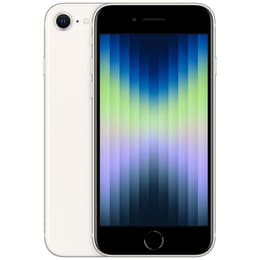
If you're coming from an older device like the iPhone 7, iPhone 8, or iPhone SE (2nd Generation) and prefer a home button with Touch ID, the iPhone SE series is a better fit than the iPhone 17e. While the screen is smaller at 4.7 inches, the home button makes one-handed use easier and lets you unlock your phone without looking at the screen.
The iPhone SE (3rd Generation) is particularly popular among refurbished buyers on Back Market. It is expected to receive iOS support until around 2028, and refurbished units are significantly more affordable than the iPhone 17e at retail price — making it a very accessible upgrade option.
- (2,308)
Refurbished price:A$196.00
Versus A$719.00 new
- (2,311)
Refurbished price:A$248.00
Versus A$799.00 new
- (2,305)
Refurbished price:A$219.00
Versus A$719.00 new
- (2,300)
Refurbished price:A$220.00
Versus A$719.00 new
- (2,311)
Refurbished price:A$279.00
Versus A$799.00 new
- (2,311)
Refurbished price:A$279.00
Versus A$799.00 new
- (2,263)
Refurbished price:A$459.00
Versus A$969.00 new
iPhone 17e Pricing and Storage Review
As a budget model, the iPhone 17e is priced lower than the standard iPhone 17. That said, it still sits above A$999, so if it falls outside your budget, a refurbished previous-generation model is a great alternative.
iPhone 17e Retail Price Unchanged — But Minimum Storage Now Starts at 256GB
The iPhone 17e launches at the same price point as the iPhone 16e, but with the minimum storage jumping from 128GB to 256GB, it effectively represents better value at the entry level.
Storage | iPhone 17e (AU Retail) | iPhone 16e (AU Retail) |
128GB | Not available | A$999 |
256GB | A$999 | Not available |
512GB | A$1,399 | Not available |
The 128GB option has been discontinued for the iPhone 17e. For users who don't heavily use video recording or gaming apps, 128GB would have been more than sufficient — so the lack of a lower-cost entry option is a downside for budget-conscious buyers.
Is the iPhone 17e Expensive Compared to Budget Android Phones?
Budget iPhones tend to be pricier than their Android counterparts. The Google Pixel 10a, for example, starts at A$849 for 128GB — cheaper than the iPhone 17e. The Samsung Galaxy S26 series and other flagship Android models are increasingly competitive with the iPhone lineup in terms of pricing, but when it comes to budget options, Android generally offers more affordable choices.
Get More Value With a Refurbished iPhone
If processor speed, MagSafe, or front camera improvements aren't priorities for you, a refurbished previous-generation model offers far better value. As of 14 July 2026, here are the estimated starting prices for refurbished iPhone 16e units on Back Market AU:
iPhone 16e | Refurbished Price (from) |
128GB | A$719 |
256GB | A$819 |
512GB | A$899 |
The 128GB option — unavailable on the iPhone 17e new — is a key advantage of going refurbished, and refurbished devices are verified to a high standard, unlike second-hand phones. Back Market applies strict quality criteria to all listed devices.
- +1 more colours
- +1 more colours

- +1 more colours
- +1 more colours
- +2 more colours
- +2 more colours
- +2 more colours
- +2 more colours
- +2 more colours
- +2 more colours
- +2 more colours
iPhone 17e Spec Review Summary: Pros and Cons
Having covered the iPhone 17e's specs and performance in detail, here is a summary of the key advantages and disadvantages. While there are genuine positives — including MagSafe support and a new colour option — the modest upgrade over the iPhone 16e means opinions are divided.
Reasons to Buy the iPhone 17e
The iPhone 17e offers solid performance for a budget model, with MagSafe wireless charging, the powerful A19 chip, and Apple Intelligence AI features. The new Soft Pink colour also helps differentiate it from the iPhone 16e.
The iPhone 17e suits you if you:
Regularly use MagSafe wireless charging
Prefer a simple, understated design and spec set
Want the latest model at a lower price point
Prefer a lighter device (under 170g) over the standard model
Like the softer tone of Soft Pink
Priced below the standard iPhone 17, the iPhone 17e is a strong option for buyers who want the latest release without paying full flagship prices — or who prioritise a lighter, more one-hand-friendly device over a larger screen.
Refurbished price:A$970.00
Reasons to Think Twice About the iPhone 17e
The iPhone 17e's main drawbacks are its single-camera setup and limited display performance. The upgrade over the iPhone 16e is modest, and for users after a high-end experience, it may feel underwhelming.
No ultra-wide or telephoto camera
Refresh rate capped at 60Hz
No Dynamic Island (notch remains)
Overall specs largely unchanged from the iPhone 16e, including battery life
For light users, the iPhone 16e with its A18 chip remains perfectly capable — and the difference between the two models is minimal. As a result, most iPhone 16e owners are unlikely to find the upgrade to a 17e worthwhile.
The iPhone 17e Does Not Support a Physical SIM Card
One of the most talked-about changes in the iPhone 17 series was the removal of the SIM tray. With improved battery performance cited as a key reason for the redesign, the iPhone 17e is eSIM-only — meaning users on a physical SIM card will need to switch to eSIM.
While eSIM is convenient, it may not suit everyone — particularly those who prefer using a physical SIM card or frequently swap SIMs. In that case, the iPhone 16e or other older models with physical SIM support may be a better fit.
- (84)
Refurbished price:A$779.00
Versus A$1,199.00 new
- (96)
Refurbished price:A$829.00
Versus A$1,199.00 new
iPhone 17e vs iPhone 18e: What to Expect From the Next Model
The iPhone 17e launched in March 2026, and its successor, the iPhone 18e is expected to follow in the same timeframe in 2027. While the iPhone 18e is anticipated to bring some spec improvements, the overall gap compared to the iPhone 17e is expected to be modest.
iPhone 18e: Expected Release Date and Improvements
The iPhone 18 series is expected to follow a different release pattern than previous years. The 2026 launch is anticipated to focus on the Pro, Pro Max, and a new foldable model, with the standard iPhone 18, a new iPhone Air, and the iPhone 18e expected to follow later — around March 2027.
Anticipated features of the iPhone 18e include:
A more powerful
A20 chip
processor
An upgraded
C2 modem
for improved connectivity and power efficiency
Dynamic Island
, made possible by reusing the iPhone 15's OLED display
As with the iPhone 17e's popular new Soft Pink colour, the iPhone 18e may also introduce a new colour option — colour variety continues to be a draw for budget iPhone buyers.
Should You Wait for the iPhone 18e?
The iPhone 17e brought meaningful real-world improvements — MagSafe support and a jump to 256GB minimum storage. The iPhone 18e, as things stand, doesn't look set to deliver quite the same leap, which makes the wait less compelling.
While Dynamic Island would change how notifications appear and improve the overall look of the phone, some users actually prefer not having notifications pop up during video playback or gaming — so it may not feel like a major upgrade for everyone. With the iPhone 18e not expected until 2027 or later, if you're looking to upgrade now, a refurbished iPhone 16e or 17e from Back Market is the smarter choice.
Refurbished price:A$970.00
How Does the iPhone 17e Compare to Other iPhone Models?
Beyond the iPhone 16e comparison, it's worth looking at how the iPhone 17e stacks up against the standard iPhone 17 and older models. While iPhones improve year on year, the gains are not always dramatic, and a device a few generations back can still serve most users perfectly well.
iPhone 17e vs iPhone 17: Display and Camera Differences
The standard iPhone 17, released in 2025, has been one of the most popular models in the iPhone 17 series. Compared to the Pro models, the camera gap has narrowed considerably. The iPhone 17 features a 48MP wide-angle camera and an ultra-wide camera, a 6.3-inch display with up to 3,000 nits of brightness, and a refresh rate of up to 120Hz, matching the iPhone 17 Pro in several key display specs.
If you regularly take photos and videos, edit footage, or want a smoother gaming experience with a high refresh rate, the iPhone 17 is the better choice over the 17e.
Refurbished price:A$1,089.00
Versus A$1,499.00 new
- (1)
Refurbished price:A$1,250.00
Versus A$1,399.00 new
- (1)
Refurbished price:A$1,324.98
Versus A$1,399.00 new
- (2)
Refurbished price:A$1,609.00
Versus A$1,999.00 new
Refurbished price:A$1,649.00
Versus A$1,999.00 new
Refurbished price:A$1,783.98
Versus A$2,199.00 new
- (1)
Refurbished price:A$1,799.00
Versus A$1,999.00 new
Refurbished price:A$1,899.00
Versus A$2,199.00 new
Refurbished price:A$1,899.00
Versus A$2,599.00 new
Refurbished price:A$1,899.00
Versus A$2,199.00 new
- (1)
Refurbished price:A$2,049.00
Versus A$2,399.00 new
Refurbished price:A$2,079.00
Versus A$2,599.00 new
Refurbished price:A$2,099.00
Versus A$2,599.00 new
iPhone 17e vs iPhone 16: Physical SIM Support
The 2024 iPhone 16 has been growing in popularity as a refurbished option, thanks to improvements including the Camera Control button, macro photography, spatial photo and video capture, and the availability of a more affordable 128GB storage option.
The iPhone 16 also supports physical SIM cards, just like the iPhone 16e. It is compatible with dual eSIM as well as a combination of a physical SIM card and eSIM, making it a more flexible option for a wider range of users. On top of that, the iPhone 16 supports faster MagSafe wireless charging at up to 22W, compared to the iPhone 17e's 15W.
- (76)
Refurbished price:A$955.00
Versus A$1,399.00 new
- (40)
Refurbished price:A$1,049.58
Versus A$1,599.00 new
- (38)
Refurbished price:A$1,049.58
Versus A$1,599.00 new
- (29)
Refurbished price:A$1,129.00
Versus A$1,599.00 new
- (40)
Refurbished price:A$1,189.00
Versus A$1,599.00 new
- (78)
Refurbished price:A$1,199.00
Versus A$1,599.00 new
iPhone 17e vs iPhone 15: Better Refurbished Value With the iPhone 15
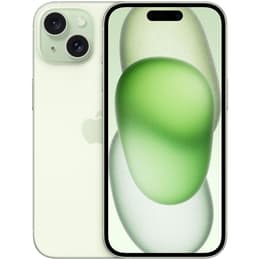
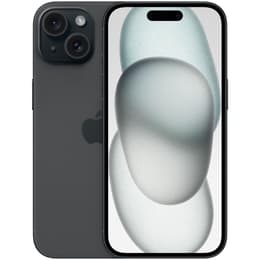
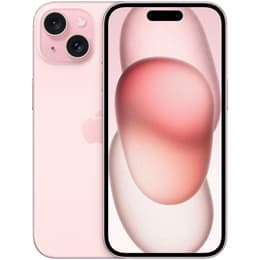
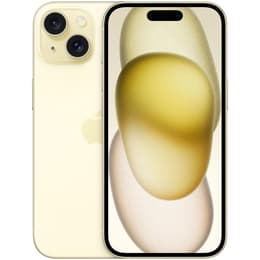
The iPhone 15, released in 2023, remains a strong option thanks to Dynamic Island, up to 2,000 nits of brightness, and the capable A16 chip for everyday use. If the iPhone 17e's notch design and display limitations are a concern for you, the iPhone 15 is likely to be more satisfying.
The iPhone 15 series also made the switch from Lightning to USB-C, upgraded the main camera on the base model to 48MP, and brought Apple Intelligence support to the Pro models. As a refurbished device, the iPhone 15 is available at a lower price than the iPhone 16e, making it one of the most accessible options on Back Market AU.
Get a Great Deal on iPhone 15!
- (383)
Refurbished price:A$699.00
Versus A$1,249.00 new
- (379)
Refurbished price:A$699.00
Versus A$1,249.00 new
- (393)
Refurbished price:A$746.00
Versus A$1,449.00 new
- (301)
Refurbished price:A$699.00
Versus A$1,249.00 new
- (348)
Refurbished price:A$760.00
Versus A$1,449.00 new
- (390)
Refurbished price:A$774.18
Versus A$1,449.00 new
- (136)
Refurbished price:A$1,269.00
Versus A$1,799.00 new