
iPhone 16 Pro vs Motorola Razr 40

iPhone 16 Pro
iPhone 16 Pro
Starting at

Refurbished price:A$1,148.00

Versus A$1,999.00 new

See options
Motorola Razr 40
Motorola Razr 40
See options

Ratings

The iPhone 16 Pro, released in September 2024, represents Apple's latest iteration of its flagship smartphone line, running on the iOS ecosystem. In contrast, the Motorola Razr 40, launched in June 2023, offers a distinct foldable design within the Android operating system. While the iPhone 16 Pro focuses on delivering a traditional high-performance smartphone experience with advanced camera capabilities, the Razr 40 prioritizes a compact, innovative form factor with its unique folding screen.

Scores

Durability

The practical lifespan of a smartphone is influenced by its physical resilience and ongoing software support. These two devices offer different approaches to durability and longevity.

  • Software Longevity: The iPhone 16 Pro launched with iOS 18 and is expected to receive major iOS updates for several years, typically 5-6 years from its release, extending its functional life well into the future. The Motorola Razr 40, which debuted with Android 13, is promised 4 years of software updates, ensuring it remains current for a significant period.
  • Physical Durability: The iPhone 16 Pro features a titanium design and Ceramic Shield front, along with an IP68 rating for dust and water resistance, allowing submersion up to 6 meters for 30 minutes. The Motorola Razr 40, as a foldable device, has an aluminum frame and a water-repellent coating with an IP52 rating, offering protection against splashes and dust. Its folding mechanism, while robust in many cases, introduces a crease in the main display and some users express general concerns about the long-term durability of foldable screens.
  • Expected Practical Lifespan: For users prioritizing extended software support and a traditional, highly water-resistant build, the iPhone 16 Pro offers a longer expected practical lifespan. The Razr 40, while durable for a foldable, caters to those who value its compact form factor, with its hinge proving resilient for many users over time.

Release year

2024

2023

Compatible with latest Update

Yes

Yes

Foldable

No

Yes

Performance

Performance in daily use is a key differentiator, with both devices offering capable experiences tailored to their respective designs and target users.

  • Processing Power: The iPhone 16 Pro is equipped with a current-generation processor designed for demanding tasks, offering smooth performance for heavy applications, advanced gaming, and complex multitasking. The Motorola Razr 40 features a processor that handles everyday tasks and general app usage smoothly, though it is considered a mid-range solution and may not offer the same level of performance for intensive gaming or very heavy workloads as higher-end devices.
  • System Responsiveness: Users of the iPhone 16 Pro can expect highly responsive interactions, quick app loading, and efficient multitasking, supported by its optimized operating system and ample memory. The Razr 40 provides a fast and responsive Android experience, with its almost stock Android interface contributing to its fluidity.
  • Battery Behavior: The iPhone 16 Pro includes a larger battery and is designed for improved power efficiency, supporting faster wired and wireless charging. The Motorola Razr 40 has a 4200 mAh battery, which many users find sufficient for a full day of use, and it supports 30W wired and 5W wireless charging.

Memory (GB)

8 GB

8 GB

Screen quality

The visual experience is central to smartphone interaction, and these devices present different display technologies and form factors.

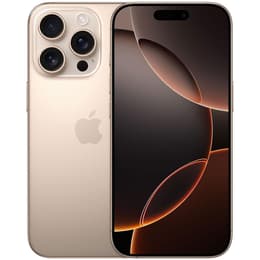
  • Display Technology and Clarity: The iPhone 16 Pro features a 6.3-inch Super Retina XDR OLED display, offering deep blacks, vibrant colors, and a high resolution of 2622 x 1206 pixels at 460 PPI, ensuring sharp and clear images. The Motorola Razr 40's main display is a 6.9-inch foldable LTPO AMOLED panel with a resolution of 1080 x 2640 pixels, providing vivid colors and good clarity.
  • Brightness and Refresh Rate: The iPhone 16 Pro boasts a typical brightness of 1000 nits and a peak brightness of 2000 nits, along with a dynamic refresh rate up to 120Hz (ProMotion), ensuring smooth scrolling and excellent visibility in various lighting conditions. The Razr 40 offers a peak brightness of 1400 nits and a 144Hz refresh rate on its main screen, contributing to a fluid visual experience.
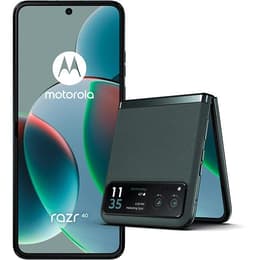
  • Screen Size and Viewing Experience: The iPhone 16 Pro provides an expansive, uninterrupted viewing area with thinner bezels. The Razr 40's foldable design allows for a large screen when open, which then folds into a compact form factor. It also includes a smaller 1.5-inch external OLED display for quick notifications and interactions when closed.

Resolution

1206 x 2622

1080 x 2640

Screen type

LTPO Super Retina XDR OLED

Foldable LTPO AMOLED

Audiovisual

Both smartphones offer advanced camera systems, but their capabilities and focus areas differ, catering to various photography and videography needs.

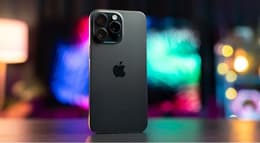
  • Rear Camera System: The iPhone 16 Pro features a versatile triple-camera setup, including a 48MP main sensor with optical image stabilization, a 48MP ultrawide lens optimized for low-light conditions, and a 12MP telephoto lens with 5x optical zoom. The Motorola Razr 40 comes with a dual-camera system on the rear, comprising a 64MP main camera with OIS and a 13MP ultrawide camera that also supports macro photography.
  • Photography Performance: The iPhone 16 Pro excels in capturing detailed and vibrant photos across various lighting conditions, with its upgraded ultrawide camera showing impressive sharpness. While some users have noted challenges with low-light performance in certain scenarios, the overall system is designed for high-quality output. The Razr 40's main camera produces colorful and well-lit photos, and its low-light performance is considered good when Night Vision is activated.
  • Video and Front Camera: The iPhone 16 Pro supports 4K video recording at up to 120 frames per second, offering high resolution and frame rates for video content, alongside a 12MP front camera. The Razr 40 records videos in 4K at 30fps, with 60fps available at lower resolutions, and features a 32MP front camera that bins pixels to produce 8MP images, suitable for selfies and video calls.

Main camera

48 megapixels

64 megapixels

Front camera

12 megapixels

32 megapixels

Miscellaneous

Beyond core performance, several practical elements contribute to the overall user experience and device utility.

  • Connectivity and Ports: The iPhone 16 Pro supports Wi-Fi 7, Bluetooth 5.3, and features a USB-C port with 10Gbps speeds, along with 5G capabilities and dual eSIM support. The Motorola Razr 40 offers Wi-Fi 6E, Bluetooth 5.3, a USB-C 2.0 port, 5G connectivity, and supports both physical Nano-SIM and eSIM.
  • Sensors and Biometrics: Both devices include essential sensors. The iPhone 16 Pro utilizes Face ID for secure authentication and includes a second-generation Ultra Wideband chip. The Razr 40 features a side-mounted fingerprint sensor for convenient unlocking.
  • Design and Handling: The iPhone 16 Pro has a sleek, traditional smartphone form factor with a titanium build, weighing 199 grams. The Motorola Razr 40's defining characteristic is its foldable design, which makes it very compact when closed (88.2 x 74 x 15.8 mm) and expands to a standard smartphone size when open (170.8 x 74 x 7.4 mm), weighing 188.6 grams. Its compact folded size makes it highly portable.

Weight

199 oz

189 oz

Screen size (in)

6.3

6,9

Network

5G

5G

SIM card

Physical SIM + eSIM

Dual Physical SIM + eSIM

Carrier compatibility

Unlocked

Unlocked

The iPhone 16 Pro and Motorola Razr 40 cater to different user preferences, each excelling in distinct areas. User feedback for the iPhone 16 Pro often praises its powerful performance, advanced camera system, and robust software ecosystem. Criticisms, though less frequent, sometimes point to specific low-light camera performance aspects. The Motorola Razr 40 is frequently lauded for its innovative foldable design, which offers exceptional portability and a unique user experience. Users appreciate its compact form factor and the utility of its external display for quick glances. Common concerns for the Razr 40, typical of foldable phones, revolve around the long-term durability of the folding screen and the crease, though many users report positive experiences with its hinge resilience. Some also note its camera performance, while good, may not match the highest-end traditional flagships, and its cover screen's utility is limited compared to its larger sibling.

Users prioritizing a top-tier, traditional smartphone experience with industry-leading processing power, extensive software support, and a highly capable camera system for diverse scenarios may find the iPhone 16 Pro well-suited to their needs. Its IP68 water resistance and Ceramic Shield front offer a high degree of protection. Conversely, individuals who value a highly compact and stylish device that fits easily into smaller pockets, and who appreciate the novelty and practicality of a foldable screen, might lean towards the Motorola Razr 40. It offers a solid Android experience with decent performance for everyday tasks. Both devices are available as quality-assured refurbished options, providing an eco-friendly alternative for consumers seeking to make sustainable choices.


See all articles

Our recent comparisons