iPhone 13 vs iPhone 14 Pro

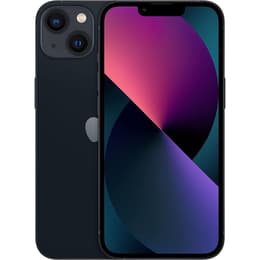
iPhone 13
iPhone 13
Starting at

Refurbished price:A$415.00

Versus A$1,099.00 new

See options
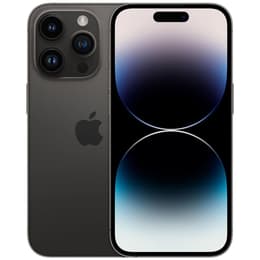
iPhone 14 Pro
iPhone 14 Pro
Starting at

Refurbished price:A$617.00

Versus A$1,749.00 new

See options

Ratings

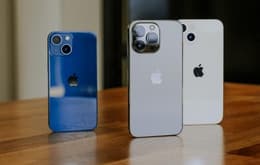
The iPhone 13, released in September 2021, and the iPhone 14 Pro, launched a year later in September 2022, represent different tiers within Apple's smartphone lineup. While both operate on the iOS ecosystem and share a similar design language, the iPhone 14 Pro introduces several advanced features, particularly in its display technology, camera system, and overall performance capabilities, distinguishing it as a more premium offering compared to the standard iPhone 13.

Scores

Durability

When considering the practical lifespan of these devices, several factors come into play, including their release timelines, software support, and physical durability.

  • Release Timeline: The iPhone 13 was released in September 2021, while the iPhone 14 Pro followed in September 2022. This one-year difference means the iPhone 14 Pro will generally receive software updates for a longer period.
  • Software Longevity: Apple typically provides major iOS updates for approximately 5-7 years from a device's release. The iPhone 13, having launched with iOS 15, is expected to receive updates until at least iOS 28, likely around 2027-2028. The iPhone 14 Pro, starting with iOS 16, will consequently benefit from an additional year of major software support, extending its functional lifespan.
  • Repairability and Durability: Both models feature a Ceramic Shield front cover and an IP68 rating for water and dust resistance, offering similar levels of protection against everyday hazards. However, iFixit gave the iPhone 13 a repairability score of 5 out of 10, noting that while some components are modular, screen replacements can be challenging and may affect features like Face ID if not performed by authorized services. The iPhone 14 Pro's repairability is generally considered to be in a similar range, with Apple's design choices often prioritizing integration over ease of third-party repair.

Release year

2021

2022

Compatible with latest Update

Yes

Yes

Operating system

iOS

iOS

Foldable

No

No

Performance

The performance of a smartphone is crucial for daily tasks, from navigating apps to demanding gaming sessions. Both the iPhone 13 and iPhone 14 Pro offer robust performance, but the Pro model features a more advanced internal architecture.

  • Processing Power: The iPhone 13 is equipped with a capable processor that handles everyday applications, multitasking, and most mobile games smoothly. The iPhone 14 Pro, however, features a newer-generation processor designed for enhanced efficiency and greater computational power. This translates to faster app loading times, more fluid transitions, and superior handling of graphically intensive applications and advanced camera features.
  • Multitasking and Responsiveness: The iPhone 13 comes with 4GB of RAM, which is sufficient for typical multitasking. The iPhone 14 Pro includes 6GB of RAM, providing more headroom for keeping multiple applications open in the background and switching between them without noticeable delays. This difference contributes to a more consistently responsive user experience, especially for power users.
  • Battery Behavior: The iPhone 13 has a 3227 mAh battery, offering up to 19 hours of video playback. The iPhone 14 Pro has a 3200 mAh battery, rated for up to 23 hours of video playback. Despite the slightly larger advertised video playback time for the 14 Pro, some real-world tests have indicated that its advanced features, such as the Always-On display and higher peak brightness, can lead to more frequent charging for heavy users compared to its predecessor.
  • Storage Options: Both models offer a range of internal storage capacities, starting from 128GB, with options extending to 512GB for the iPhone 13 and up to 1TB for the iPhone 14 Pro, catering to users with varying storage needs for apps, photos, and videos.

Memory (GB)

4 GB

6 GB

Screen quality

The display is a primary interface for smartphone interaction, and both devices offer high-quality viewing experiences, though the iPhone 14 Pro introduces significant enhancements.

  • Display Technology and Refresh Rate: Both phones feature a 6.1-inch Super Retina XDR OLED display, providing deep blacks and vibrant colors. However, a key differentiator is the refresh rate. The iPhone 13 has a standard 60Hz refresh rate, while the iPhone 14 Pro boasts ProMotion technology, offering an adaptive refresh rate that can scale from 1Hz to 120Hz. This results in noticeably smoother scrolling, more fluid animations, and a more responsive feel on the iPhone 14 Pro.
  • Brightness and Clarity: The iPhone 13 offers a typical maximum brightness of 800 nits and a peak HDR brightness of 1200 nits. The iPhone 14 Pro significantly increases these figures, with a typical maximum brightness of 1000 nits and an impressive peak HDR brightness of 2000 nits, making content more visible in bright outdoor conditions. Both maintain a resolution of approximately 460 pixels per inch, ensuring sharp text and images.
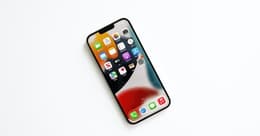
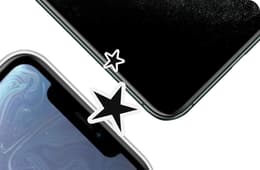
  • Additional Display Features: The iPhone 14 Pro introduces an Always-On display, which subtly shows information like the time and widgets even when the screen is locked. It also replaces the traditional notch with the Dynamic Island, an interactive pill-shaped cutout that adapts to display alerts, notifications, and background activities. The iPhone 13 retains the traditional notch design.

Resolution

1170 x 2532

1179 x 2556

Screen type

Super Retina XDR OLED

LTPO Super Retina XDR OLED

Audiovisual

The camera systems on both devices are highly capable, but the iPhone 14 Pro offers a more versatile and advanced setup for photography and videography enthusiasts.

  • Rear Camera System: The iPhone 13 features a dual 12MP camera system, comprising a wide and an ultrawide lens. The wide lens has a f/1.6 aperture and sensor-shift optical image stabilization. The iPhone 14 Pro elevates this with a triple camera system, including a new 48MP main sensor (which uses pixel binning to produce 12MP photos with enhanced detail), a 12MP ultrawide lens with autofocus, and a 12MP telephoto lens offering 3x optical zoom. The 14 Pro's main camera also features second-generation sensor-shift OIS.
  • Photography Performance: The iPhone 14 Pro's larger main sensor and Photonic Engine image processing deliver improved detail, better low-light performance, and more accurate colors compared to the iPhone 13. The addition of a telephoto lens on the 14 Pro provides greater flexibility for zoomed-in shots without significant loss of quality.
  • Video Capabilities: Both phones support 4K video recording at various frame rates, including Cinematic mode for a shallow depth of field effect. The iPhone 14 Pro enhances Cinematic mode to 4K resolution and introduces Action mode for smoother, stabilized video capture in dynamic situations, along with ProRes video recording for professional workflows.
  • Front Camera: Both devices feature a 12MP front camera. The iPhone 14 Pro's front camera includes autofocus and a wider aperture (f/1.9 vs f/2.2 on iPhone 13), leading to sharper selfies and improved low-light performance.
  • Audio Experience: Both models provide stereo speakers for media consumption and clear microphone quality for calls and video recording.

Main camera

12 megapixels

48 megapixels

Front camera

12 megapixels

12 megapixels

Miscellaneous

Beyond core performance and display, several other features contribute to the overall user experience and practical utility of these smartphones.

  • Connectivity: Both the iPhone 13 and iPhone 14 Pro support 5G cellular connectivity, Wi-Fi 6, and Bluetooth for wireless communication.
  • Physical Design and Materials: The iPhone 13 features an aluminum frame, while the iPhone 14 Pro utilizes a more robust stainless steel frame, contributing to its slightly heavier feel. Both have flat edges and glass backs. The iPhone 13 measures 146.7 x 71.5 x 7.65 mm and weighs 174g. The iPhone 14 Pro is slightly taller, thicker, and heavier at 147.5 x 71.5 x 7.85 mm and 206g.
  • Ports and Biometrics: Both devices rely on the Lightning port for charging and data transfer and utilize Face ID for secure facial recognition. Neither includes a traditional headphone jack.
  • SIM Card Support: The iPhone 13 supports both physical Nano-SIM cards and eSIM. In some regions, such as the US, the iPhone 14 Pro is eSIM-only, which can be a consideration for international travelers who rely on local physical SIM cards.

Weight

173 oz

206 oz

Screen size (in)

6,1

6,1

Network

5G

5G

SIM card

Physical SIM + eSIM

Physical SIM + eSIM

Carrier compatibility

Unlocked

Unlocked

Connector

Lightning

Lightning

Choosing between the iPhone 13 and iPhone 14 Pro involves weighing specific priorities against the advancements offered by the newer model. User feedback often highlights the iPhone 13 as a highly capable and reliable device, praised for its solid performance, good battery life, and excellent camera system for its generation. Common sentiments suggest it remains a strong choice for everyday use, with many users finding its capabilities more than sufficient for their needs.

The iPhone 14 Pro, on the other hand, frequently receives acclaim for its significant upgrades, particularly the ProMotion display with its adaptive refresh rate and Always-On functionality, the versatile and high-resolution camera system, and the innovative Dynamic Island interface. Users who prioritize cutting-edge display technology, advanced photographic and videographic capabilities, and a more interactive user interface tend to favor the iPhone 14 Pro. Some users have noted that while the 14 Pro's battery life is good, it might not always surpass the 13 Pro in real-world usage due to its more power-intensive features.

Users prioritizing a robust and dependable smartphone for general tasks, with strong camera performance and extended software support, may find the iPhone 13 well-suited to their requirements. It offers a balanced experience without some of the more advanced, power-intensive features. Conversely, users who demand the latest innovations in display technology, superior camera versatility for creative pursuits, and a more dynamic user interface will likely lean towards the iPhone 14 Pro. Its enhanced processing power also makes it ideal for demanding applications and future-proofing. For those seeking an eco-friendly and quality-assured alternative, both models are available as refurbished options, providing a sustainable choice without compromising on performance.

See all articles

Our recent comparisons